
By Promise Bassey
Citizens Demand Results as Fuel Costs Bite and Security Gains Are Weighed Against Daily Struggles
Nigerians are turning up pressure on government at federal, state, and local levels to deliver visible relief on two issues dominating daily life in 2026: soaring fuel costs and persistent insecurity.
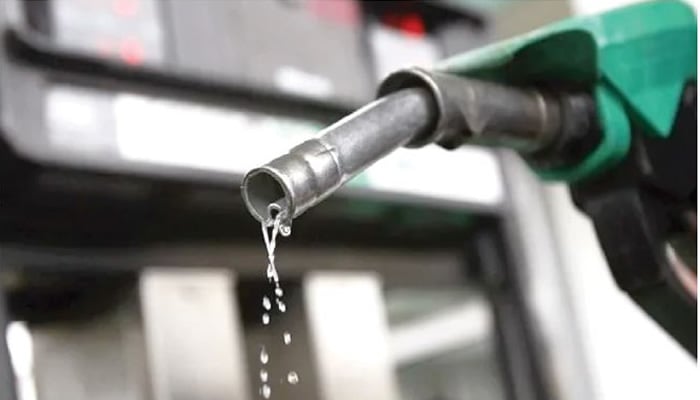
Since February, petrol prices have climbed by up to 40% following global supply shocks from the US-Iran conflict. The ripple effects are everywhere. Transport fares have increased, food prices are climbing weekly, and small businesses relying on generators are cutting hours or raising prices to stay afloat. Labour unions say minimum wage and salary structures have not adjusted, leaving millions of households making tougher choices at markets and fuel stations.
At the same time, the military is reporting hard-fought gains. Operation Hadin Kai says May 2026 was one of the deadliest months for Boko Haram and ISWAP. Troops destroyed multiple terrorist enclaves across Borno, Yobe, and Adamawa, and prevented major attacks during Eid-el-Kabir on May 27 and 28. Commanders credit better intelligence, air-ground coordination, and international support for the success.
Read more:NNPC Defends Fuel Imports, Warns Against Single Supplier
The contrast has sparked a national debate about how governance is measured. While security agencies celebrate operational victories, many citizens say safety matters most when it translates to cheaper food, affordable transport, and stable power. Civil society groups argue that accountability must cover both protection of lives and protection of livelihoods.
“The military is doing its part, but governance is not only about defeating insurgents. It’s about whether a mother can buy food for her children without fear,” said a policy analyst in Abuja.
With 2027 elections approaching, analysts say the federal government faces a communication and delivery test. Voters are less moved by policy statements and more by tangible changes in cost of living, electricity supply, and neighborhood safety.
Read more:NNPC, marketers oppose Dangote’s bid to stop fuel imports
Government officials maintain that subsidy removal and security operations are long-term reforms. They insist short-term pain will give way to sustainable growth, job creation, and fiscal stability. But for now, Nigerians say they are waiting for relief they can feel — at the pump, in markets, and on their streets.
The question dominating town halls and social media is simple: when will governance match the hardship people face every day?