The United States spent about $5.6 billion on weapons in the first 48 hours of military operations against Iran, raising concerns about the pace at which advanced American munitions are being used. The estimate was presented to Congress and has triggered debate over whether the conflict could strain US weapons stockpiles if fighting continues.
Officials say the early phase of the Iran war involved an intense wave of air strikes by the United States and Israel targeting military infrastructure across the country. According to updates from US Central Command, more than 5,000 targets inside Iran have been hit during the campaign. These strikes focused on command centres, missile bases, air defence systems and facilities linked to Iran’s military operations.
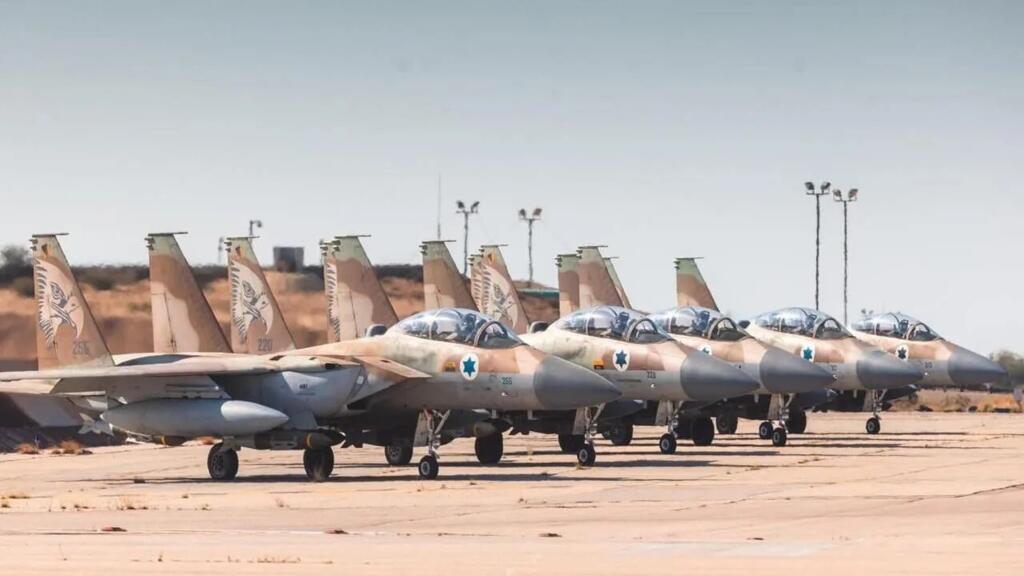
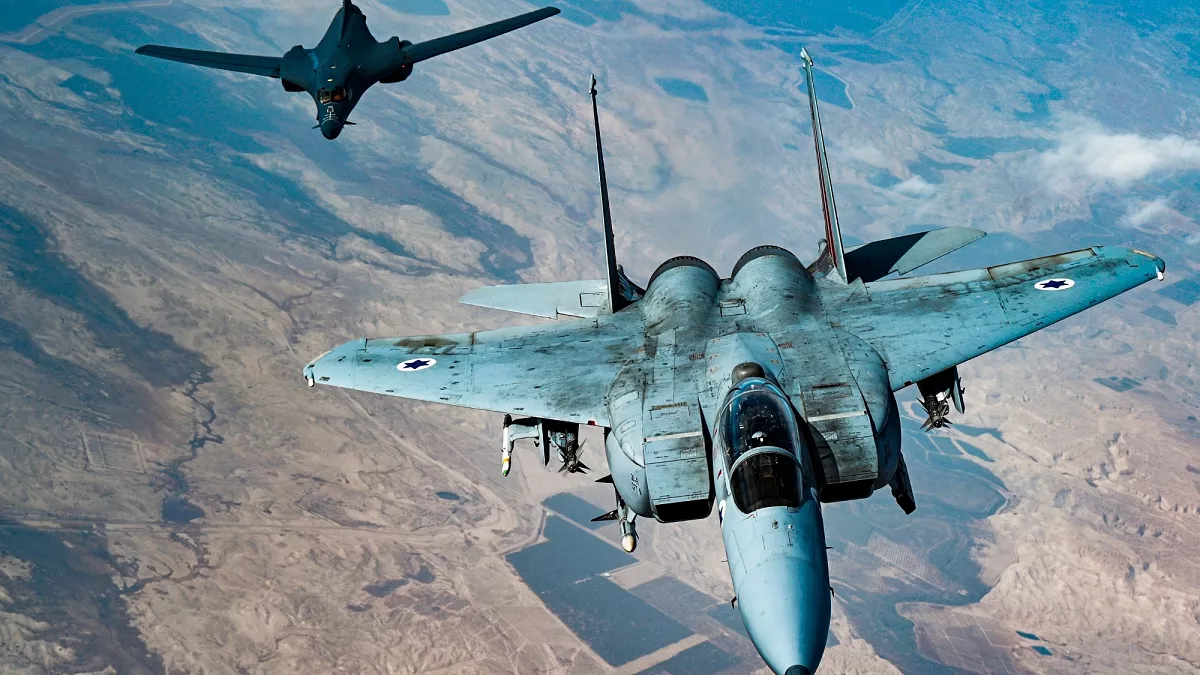
The scale of the attacks required the use of some of the most advanced weapons in the US arsenal. Strategic bombers including B-1, B-2 and B-52 aircraft were deployed alongside fighter jets such as the F-15, F-16, F-18, F-22 and F-35. Other military systems involved in the campaign include Patriot missile defence batteries, THAAD anti ballistic missile systems and long-range drones.
Military analysts say the cost of these systems explains the rapid spending during the opening phase of the war. Many precision guided munitions used in modern air campaigns are extremely expensive and are produced in limited quantities. Some missile interceptors cost several million dollars each, especially those used to destroy incoming ballistic missiles or drones.
The high spending rate has led to questions in Washington about the sustainability of the operation. Officials have acknowledged that the White House may request additional defence funding from Congress to replenish weapons and sustain the campaign if the conflict continues. The proposed supplemental budget could reach tens of billions of dollars.
Pentagon spokesman Sean Parnell said the US military still has the resources needed to continue the operation. He said the Department of Defence has “everything it needs to execute any mission at the time and place of the President’s choosing”.
Some analysts say the war could place particular pressure on missile defence systems. Iran has relied heavily on drones and missiles in previous confrontations, forcing the United States and its allies to use large numbers of interceptors to stop incoming attacks. These defensive missiles are often far more expensive than the weapons they destroy.
READ ALSO: Trump Claims US Forces Destroyed Nine Iranian Naval Vessels, Struck Headquarters
Reports suggest that US and Israeli forces may increasingly rely on laser guided bombs and other more widely available munitions as operations continue. These weapons are easier to replenish compared with some of the most advanced missile systems used in the opening phase of the campaign.
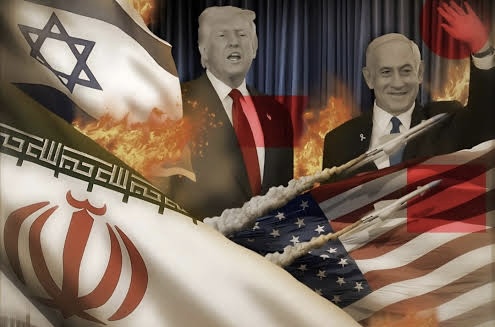
The war has also increased tensions around the Strait of Hormuz, one of the world’s most important oil shipping routes. US President Donald Trump warned Iran that any attempt to block oil traffic through the strait would trigger a massive military response from the United States.
Watch:
Trump said the US response would be far stronger than previous strikes if the flow of oil through the strait is disrupted. The shipping lane carries a significant share of the world’s energy supply and is vital to global trade.
The conflict involving the United States, Israel and Iran continues to evolve, with military and political leaders watching closely to see whether the early pace of weapons use will affect US military readiness in the months ahead.