By Mercy Emmanuel
Receipts and Resistance: The Human Cost of a Soldier’s Silence
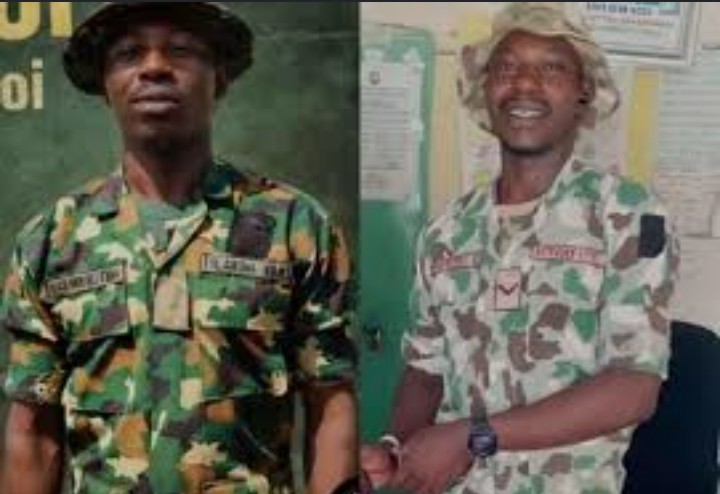
For Rotimi Olamilekan, once known as a Lance Corporal with the service number 18NA/77/1009, the battlefield has shifted from the front lines to the digital screen. Now popularly recognized as “Soja Boi,” the dismissed soldier has moved beyond mere words, backing his allegations against the military establishment with a digital trail of bank alerts and a defiant challenge to his former superiors.
In a newly released video, Olamilekan holds up his mobile phone like a mirror to the military’s financial soul. He isn’t just talking about wages; he is displaying the numbers that governed his life. Among the digital receipts is a credit of N112,061.59—the sum he identifies as his monthly salary. Beside it are smaller inflows: a N20,000 “ration” or grumbling allowance and a N45,000 operational payment reserved only for those facing the high stakes of theatres like Maiduguri. For Olamilekan, these aren’t just figures; they are proof of a reality he says many serving personnel are too terrified to voice.
Daniel, Amosun Mend Fences After Decade-Long Political Feud
The controversy isn’t solely about the paycheck, but the price of protection. Olamilekan maintains a stinging claim that has rattled the brass: that soldiers are often left to purchase their own survival gear. “Helmet, you go buy. Fragmentation jacket, you go buy them,” he says, switching between English and the raw urgency of Pidgin. It is a narrative of a soldier forced to shop for his own safety, an image that stands in stark contrast to the institutional image of a fully equipped fighting force.
The military response has been swift and firm. Acting Director of Army Public Relations, Appolonia Anaele, has dismissed these claims as baseless, insisting that the army’s logistics system ensures every soldier is kitted from head to toe. While the Army acknowledges that some soldiers might choose to supplement their gear, they maintain that such purchases are strictly voluntary and that salaries are consolidated with mission-specific entitlements.
IWD 2026: SIFAX Group Supports Community, Empowers Staff
Yet, there is a deep human ache in Olamilekan’s defiance. He is a man who spent his last birthday in detention before being stripped of his uniform—a dismissal the Army attributes to “persistent indiscipline” and social media violations rather than the content of his viral videos. Despite the loss of his career, he remains unbowed, appealing directly to the families of those still in uniform. “Call your brother, call your sister, and ask them if I am lying,” he urges, positioning himself not as an enemy of the institution, but as a whistleblower for the rank and file.
While the bank alerts he displayed lack official letterheads or payroll references, they have ignited a public conversation about the welfare of the men and women on the front lines. By daring the Army to release its official payroll to the public, Olamilekan has moved the debate from a war of words to a demand for transparency. It is no longer just a story of a dismissed soldier; it is a question of what it truly costs to serve, and who is ultimately picking up the bill for the gear required to stay alive.