Chikadibia Ernest
The Highway That Won’t Stop Bleeding: Why Lokoja–Abuja Crashes Are No Longer ‘Accidents’
On most days, the road through Felele in Lokoja looks ordinary. Cars move, traders call out to customers, students hurry along the roadside, and buses stop briefly before continuing their journey. But beneath this routine lies a growing fear. For many who use the Lokoja–Abuja highway, especially around Felele bus stop, every journey now carries a quiet question: Will everyone make it home today?
That fear is not unfounded.
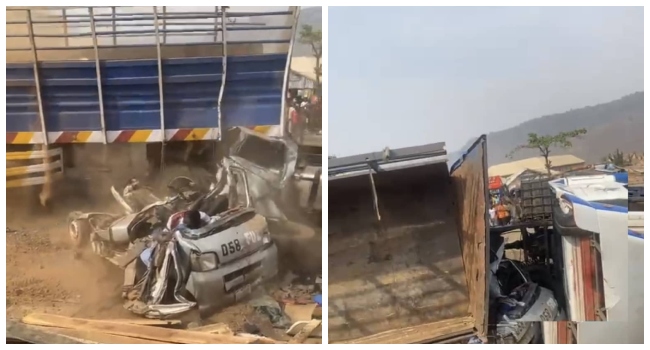
In recent years, this stretch of road has become known for repeated, deadly crashes. One of the most painful incidents occurred when a truck rammed into a shuttle bus carrying students of the Federal University Lokoja. Several young lives were lost in seconds. It was a tragedy that shook the entire community. Yet, even as families mourned, many residents could not ignore a troubling truth. The crash felt less like a surprise and more like something that had been waiting to happen.
A Pattern That Refuses to Stop
Accidents are usually described as unexpected events. What is happening along the Lokoja–Abuja highway no longer fits that description.
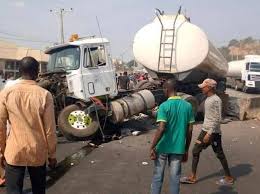
Residents of Felele speak of crashes as regular occurrences. Tankers lose control. Trailers fail to brake. Vehicles collide with smaller buses and pedestrians. The stories are different, but the pattern is the same.
Read more: Six Dead, 60 Injured in Lokoja Road Accident
Each incident follows a familiar script. A heavy-duty truck approaches at speed. Something goes wrong, often linked to brake failure or poor control. Within moments, lives are lost. The scene is cleared, the road opens again, and before long, another crash happens.
This repetition has changed how people see the situation. Many now believe these are not mere accidents, but preventable disasters.
Where a Highway Meets a Community
Part of the danger lies in the nature of the Felele axis itself. It is not just a highway. It is a living environment.
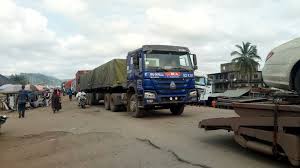
Students walk along the roadside. Commercial buses pick up passengers. Shops and houses line parts of the road. Daily life unfolds right beside fast-moving traffic. In such a setting, the presence of large trailers and tankers creates a risky mix.
There is little separation between heavy vehicles and people. No strong barriers. No consistent traffic control. The result is a space where one mistake can have devastating consequences.
Read more: Hoodlums Attack Etsu Lokoja’s Palace, Monarch Escapes Through Fence
For students of the Federal University Lokoja, this reality is especially harsh. Many of them depend on this road every day. What should be a normal commute has become a dangerous routine.
The Human Cost Behind the Headlines
Numbers alone cannot capture the weight of what is happening.
Each crash leaves behind more than damaged vehicles. Families lose children. Friends lose companions. Classrooms lose students who once had dreams and plans for the future.
After the incident involving the university shuttle bus, grief spread across Lokoja and beyond. Parents who had sent their children to school received devastating news. Fellow students protested, demanding action. For a moment, the country paid attention.
But as time passed, the attention faded, even as the danger remained.
Known Problems, Delayed Solutions
What makes the situation more troubling is that the causes are not hidden.
Many road users point to poorly maintained trucks, especially those with faulty brakes. Others mention speeding and lack of strict enforcement of traffic rules. There are also concerns about the design of the road, which does not adequately separate high-speed vehicles from local traffic.
Government officials have responded after major incidents. There have been promises to improve the road, introduce safety measures, and consider alternative routes for heavy trucks. Discussions have been held. Committees have been set up.
Yet, on the ground, visible change has been slow.
For residents and frequent road users, this delay is difficult to understand. When the risks are clear and the consequences are deadly, waiting becomes costly.
Read more: Court Awards Yahaya Bello One Billion Naira in Defamation Case
When Words No Longer Fit
Calling these incidents accidents suggests that they are random and unavoidable. But along the Lokoja–Abuja highway, especially at Felele, the situation feels different.
The warning signs are there. The causes are known. The location is the same. The victims often share similar stories. When events follow such a clear pattern, it becomes harder to describe them as accidents.
Instead, they begin to look like the result of neglect.
What Needs to Change
Stopping the cycle will require more than sympathy after each tragedy. It will require action that matches the scale of the problem.
There is a need to control how and when heavy trucks use this road. There is a need for stricter checks on vehicle conditions, especially for trailers and tankers. The road itself needs improvement, with better safety features to protect pedestrians and local traffic.
Equally important is enforcement. Rules alone cannot save lives if they are not followed.
A Road That Must Be Made Safe Again
The Lokoja–Abuja highway is an important route, connecting people, goods, and opportunities. But for those who pass through Felele, it has become something else. A place of uncertainty. A place where normal journeys can turn tragic.
Until real and lasting changes are made, the fear will remain.
And each time another crash occurs, the same question will return, louder than before:
If this keeps happening, can we still call it an accident? Or is it something we have simply allowed to continue?