Petrol station workers demand health insurance from IPMAN
By Promise Bassey
Petrol Prices Jump 40% as US-Iran Conflict Strains Nigeria’s Import Bill, Households Feel the Pinch
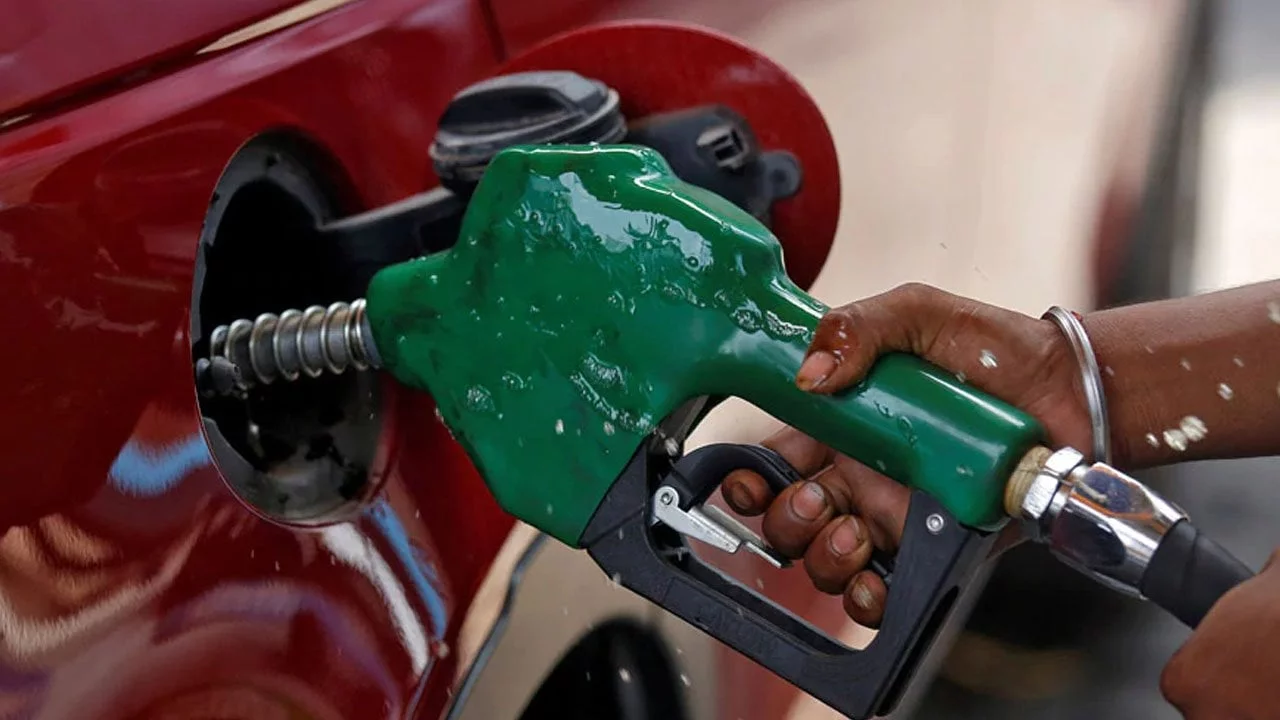
Nigerians are digging deeper into their pockets at fuel stations as petrol prices have climbed by up to 40% since February 2026. The sharp rise is being driven by the ongoing US-Iran conflict, which has disrupted global oil supply chains and pushed up the cost of imported refined products.
While Nigeria, as a major crude oil exporter, is seeing higher revenue from elevated global oil prices, the benefit isn’t reaching ordinary citizens. Instead, the ripple effects are hitting transport, food, and small businesses hardest.
Read more: NNPC Defends Fuel Imports, Warns Against Single Supplier
What’s driving the spike
The conflict in the Middle East has raised fears of supply disruptions through key shipping lanes. That uncertainty has pushed international crude benchmarks higher. Because Nigeria still imports a large share of its refined petrol, the landing cost has risen sharply. Marketers say the naira-dollar exchange rate and increased freight charges have compounded the problem.
Impact on daily life
In Lagos, Abuja, and other major cities, commercial drivers have adjusted transport fares upward twice in the last month. Commuters report paying ₦200–₦300 more for short trips that cost ₦500 just weeks ago. Food vendors say cooking gas and transport costs have forced them to raise prices on meals, straining household budgets.
Agnes Funmi Sessi, a labour union leader in Lagos, told Carbon Brief that “rising energy prices have affected the purchasing power of workers.” For many families, the extra cost means cutting back on other essentials.
Read more:NNPC, marketers oppose Dangote’s bid to stop fuel imports
Government and alternatives
The federal government has not announced a return to petrol subsidies, maintaining its deregulation stance. Officials argue that subsidy removal is necessary for long-term fiscal health, but admit the transition period is painful.
Energy analysts say the price shock could accelerate interest in alternatives. A new report from the Africa Policy Research Institute notes that scaling solar “mini-grids” could reduce diesel dependence in rural areas and create 212,688 direct jobs if 10,000+ mini-grids are deployed. Businesses are also investing more in solar and inverters to cut generator costs.
For now, commuters, traders, and transporters are adjusting route by route, trip by trip. With no immediate relief from global markets and the conflict still unresolved, analysts expect prices to remain volatile through mid-2026.
The situation has reignited debate: how can Nigeria balance fiscal reform with protecting citizens from global oil shocks?