
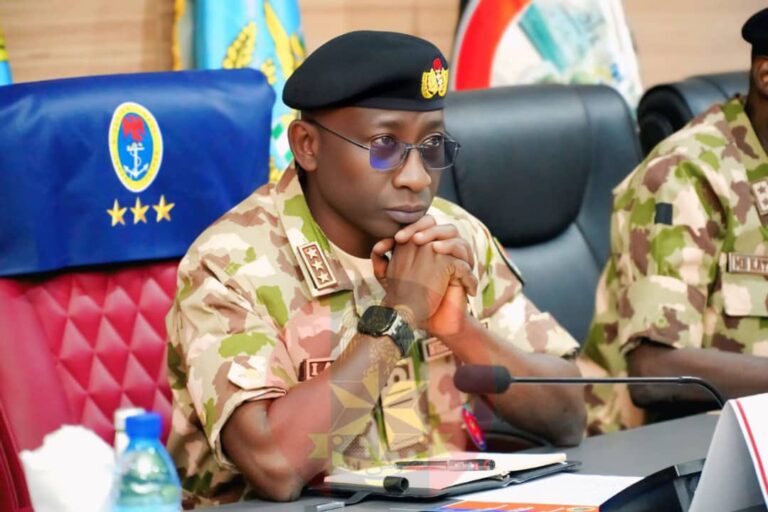
Oil Theft Cases Suffer Setback as Suspects Lack Key Information — Navy
The Chief of the Naval Staff, Vice Admiral Idi Abbas, has said efforts to prosecute crude oil theft suspects are often complicated because many of those arrested have little or no knowledge of the people behind the criminal networks.
Speaking on Channels Television’s Sunrise Daily on Friday, Abbas explained that those apprehended at illegal refinery sites are usually low-level operatives who receive small payments, while the main organisers remain out of reach.
According to him, the structure of oil theft syndicates makes intelligence gathering and prosecution difficult, as many suspects are unable to provide useful information about those directing the operations.
Read more: Ondo Police Foil Bomb Plot, Arrest Six Suspects in Akure
He said some of the individuals arrested do not even know who they work for, making it challenging for security agencies to trace the key figures responsible for crude oil theft.
Despite the challenge, Abbas said the Nigerian Navy and other security agencies have continued to adjust their operations to counter changing tactics used by oil thieves.
He noted that the increased use of technology, intelligence gathering and coordinated monitoring had helped reduce the level of crude oil theft in oil-producing areas.
Read more: Resignations of Oil Regulators Rattle Petroleum Sector
The Naval Chief stated that Nigeria’s coastal and riverine communities are relatively safe, adding that security agencies have recorded progress in tackling illegal oil bunkering and sea robbery, although isolated incidents still occur.
Abbas also renewed calls for the establishment of a special court to handle maritime crimes, saying such a move would speed up the prosecution of offenders and reduce the burden of maintaining seized vessels for long periods.
He said the Navy spends significant resources keeping impounded vessels in custody while awaiting the conclusion of court proceedings.
The Naval Chief reaffirmed the commitment of the Navy to sustaining operations against crude oil theft and other maritime crimes, stressing that lasting success would require cooperation among security agencies, stakeholders and host communities.