Godsent Ogbebor
Analysts Expect Interest Rate Cut as Inflation Drops After CPI Rebasing
Financial experts anticipate that the Monetary Policy Committee (MPC) of the Central Bank of Nigeria (CBN) may lower benchmark interest rates following the latest inflation data released by the National Bureau of Statistics (NBS) on Tuesday.
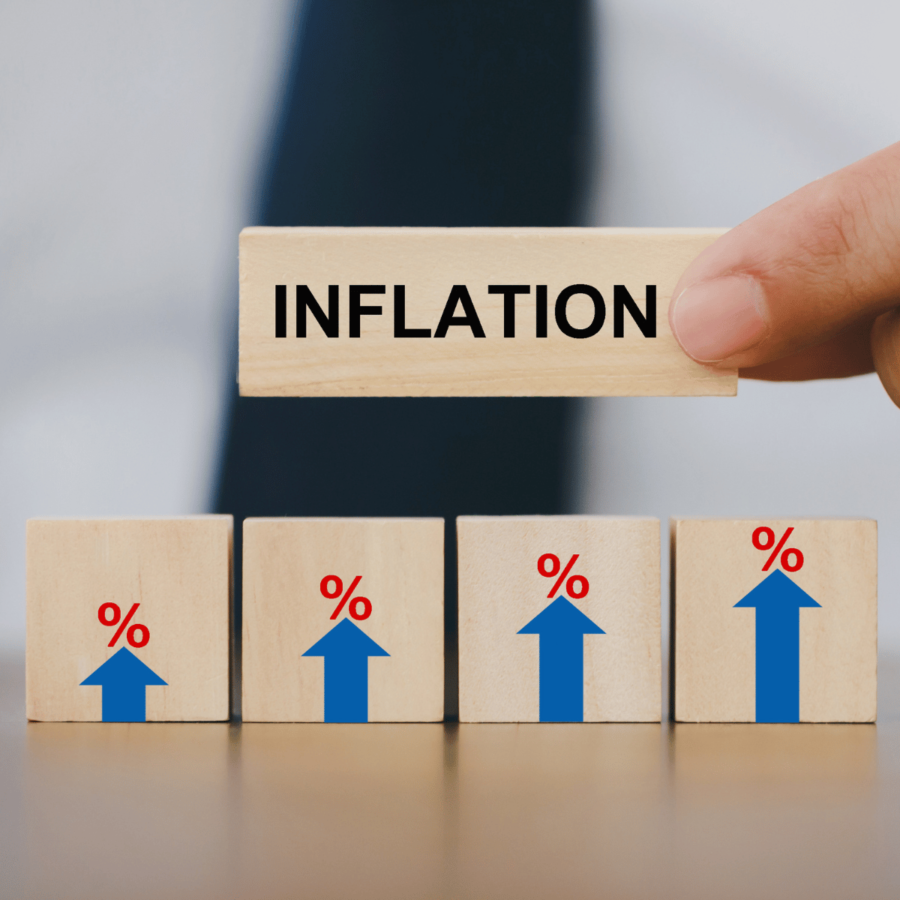
The NBS reported that Nigeria’s headline inflation dropped to 24.48% in January 2025, a significant decline from the 34.80% recorded in December 2024. This reduction comes after the rebasing of the Consumer Price Index (CPI), shifting the base year from 2009 to 2024 to better reflect current economic conditions.
Statistician-General of the Federation, Prince Adeyemi Adeniran, explained that the rebasing was necessary to capture changes in pricing, household expenditures, and consumption patterns.
He noted that Nigeria had not conducted a CPI rebasing in over a decade, despite global standards recommending it every five years.
The revised methodology now excludes non-monetary expenditures like imputed rents and gifted items, ensuring a more accurate inflation measurement.
According to the NBS, food inflation stood at 26.08% year-on-year in January, down from 39.84% in December. Urban inflation was recorded at 26.09%, while rural inflation stood at 22.15%. Core inflation, which excludes food and energy prices, was 22.59%.
Read also: CBN Governor Calls for Stronger Economic Ties Between Nigeria and Middle East
Analysts have reacted to the new figures with cautious optimism, urging the CBN to consider adjusting interest rates to stimulate economic growth.
Professor Uche Uwaleke of Nasarawa State University described the rebasing as a welcome development, noting that it aligns Nigeria’s inflation data with international standards and could help policymakers make informed decisions.
Similarly, Tunde Amolegbe, Managing Director of Arthur Stevens Asset Management, said the lower inflation figures might encourage the MPC to consider cutting interest rates.
“If inflation has indeed weakened, the CBN may have room to pause rate hikes and support economic expansion,” he stated.
However, the Director of the Centre for Promotion of Private Enterprise, Dr. Muda Yusuf, cautioned against celebrating the inflation drop too soon. He pointed out that while the rate of price increases has slowed, the high cost of living remains a concern for businesses and households.
Yusuf attributed the decline to a strong base effect from 2024’s high inflation and a drop in consumer spending after the December festive season.
He emphasized that despite the reported inflation drop, Nigerians are still struggling with high energy costs, currency depreciation, high interest rates, and rising transportation expenses.
“A lower inflation rate does not mean prices are falling; it simply means they are rising at a slower pace,” he clarified.
Small business owners have also weighed in on the development, with the National President of the Association of Small Business Owners of Nigeria, Dr. Femi Egbesola, arguing that while CPI rebasing is a standard economic practice, it does not always reflect real market conditions.
With inflationary pressure showing signs of easing, all eyes are now on the CBN’s next MPC meeting, where policymakers will decide whether to adjust interest rates to align with the new economic data.