
Godsent Ogbebor
FG to Reintroduce Tolling on Lagos-Ibadan Expressway
The Federal Government’s plan to reintroduce tolling on the yet-to-be-completed Lagos-Ibadan Expressway is a harsh policy that will further strain Nigerians already struggling with economic hardship.
President Bola Tinubu’s administration, which has removed fuel and electricity subsidies and floated the naira, should reconsider this decision.
Minister of Works, Dave Umahi, has defended the move, stating that tolling will commence once Phase I of the road is completed to generate revenue for maintenance.
However, this reasoning is weak. Government infrastructure should facilitate economic growth, not impose additional financial burdens on the people.
The Lagos-Ibadan Expressway reconstruction, which began over two decades ago under President Olusegun Obasanjo, remains incomplete despite multiple administrations—Obasanjo, Umaru Yar’Adua, Goodluck Jonathan, and Muhammadu Buhari—overseeing its progress. Tinubu’s government is now prioritizing tolling before full completion.
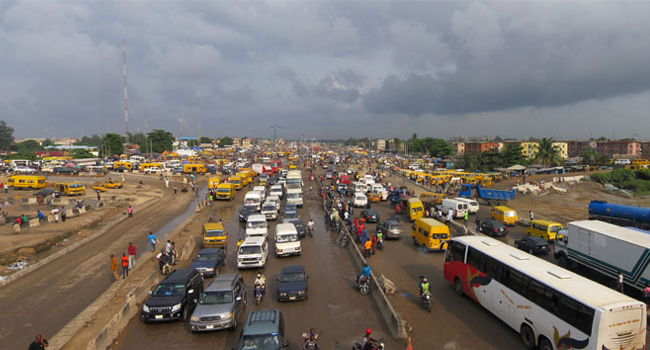
The expressway, Nigeria’s busiest, carries an estimated 2,085 vehicles per lane every hour. Many businesses and residents relocated to areas along the highway after the Obasanjo administration removed toll gates due to corruption concerns. Reintroducing tolling now disregards those decisions and will drive up transport costs for commuters and manufacturers alike.
Read Also: Empower Bauchi Youths, Gov’s Son Tells Seyi Tinubu: A Plea for Youth Development and Support
In many countries, tolling is accompanied by an un-tolled alternative route. In this case, there is no such alternative, forcing road users to pay. This is unjust, especially with over 140 million Nigerians living in multidimensional poverty.
Previously, the expressway had three toll points, which were dismantled due to corruption. There is no guarantee that a new tolling system will be any different.
While roads built through public-private partnerships or loans can justifiably be tolled, this project is publicly funded, partly with recovered Sani Abacha loot. Charging users to access it amounts to double taxation.
Instead of introducing new levies, the government should focus on tackling corruption and enforcing proper maintenance of infrastructure. Poor maintenance has plagued government assets, including roads, schools, airports, and hospitals.
Nigeria has a history of building multi-trillion-naira projects without sustainable maintenance plans. If the government is serious about infrastructure longevity, it must implement a structured maintenance culture rather than imposing more financial pressure on already burdened citizens.