
By: Maryjane Austine
Education Drive Unveils 2 Reports to Rescue Girls’ Future
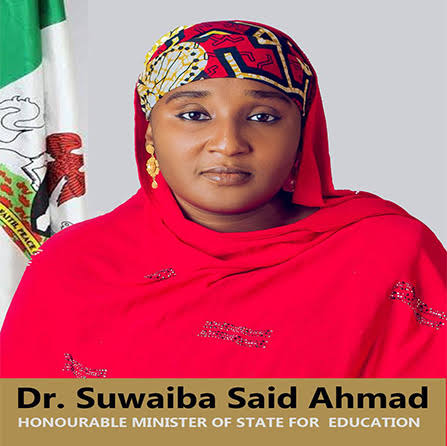
The Federal Ministry of Education has introduced two key knowledge tools aimed at boosting the quality and access to education for girls across the country.
Rathan just launching another set of documents, the Ministry is calling for real action, urging that the new reports should lead to practical steps, not gather dust on office shelves.
Speaking at the event, the Minister of Education emphasized the importance of the Girls’ Education Performance Assessment, which gives a detailed look at how federal and state governments are performing in areas such as school enrollment, retention, and learning for girls. According to the minister, the report identifies successful policies driven by community engagement and donor support.
Also introduced was a financial review tool titled Girls’ Education Financing in Nigeria, which focuses on how both public and private funds are being allocated, disbursed, and used. The minister noted the urgency of moving toward gender-responsive budgeting and stronger coordination across all levels of government.
She urged all stakeholders to actively use the reports to shape more effective policies and partnerships.
In a virtual address, Nabila Aguele, Chief Executive of the Malala Fund, restated the group’s dedication to Nigeria’s education system. She encouraged policymakers to act on the new data and design reforms that truly reflect the needs of girls.
Read More: FG Allocates N940.5 Billion to TETFund for Education Development
“These reports are more than just findings. They are instruments to drive change,” Aguele said.
Sunkanmi Adefadoju, Monitoring and Evaluation Consultant at the System Strategy and Policy Lab, drew attention to the uneven education spending across states. He noted that while Jigawa, Kano, and Kaduna have shown strong commitment allocating up to 32%, 31%, and 26% of their budgets to education respectively, others like Akwa Ibom, Sokoto, and Gombe trail behind with as little as 6%, 8%, and 9.8%.
He stressed the importance of improving school infrastructure and safety for girls, particularly in underserved regions.
The overall message from the event was clear: education for girls in Nigeria cannot be left to chance, it must be backed by data, funding, and firm political will.