
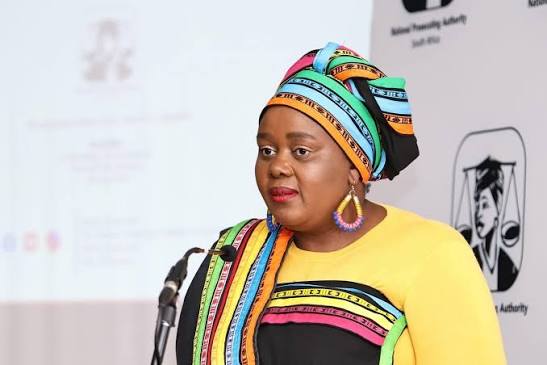
South African artists losing gigs across the continent has become one of the clearest signs of the growing backlash against the country over recurring allegations of xenophobia, according to South Africa’s Minister of Justice and Constitutional Development, Mmamoloko Kubayi.
Speaking during an interview with SABC, Kubayi acknowledged that South African businesses, entertainers and citizens are increasingly facing consequences beyond the country’s borders as frustration grows across Africa over reports of attacks and hostility directed at foreign nationals.
The minister said the South African government could not deny that there was a growing backlash and revealed that authorities had intensified engagement with businesses operating abroad in an effort to limit the damage.
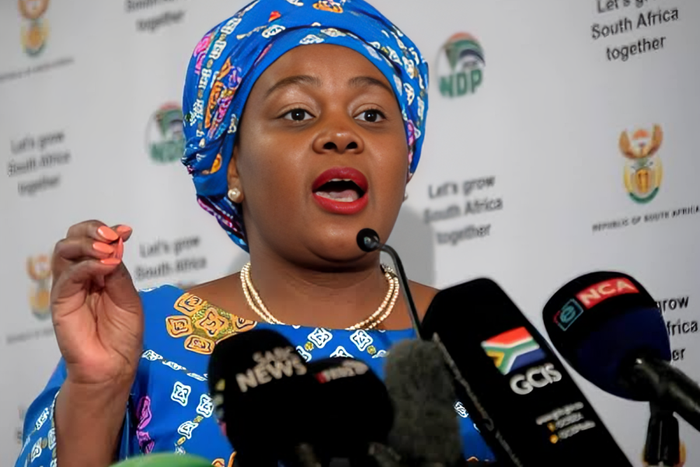
According to Kubayi, several South African artists losing gigs have already reported cancelled performances and lost income as event organisers across Africa reconsider bookings involving entertainers from the country.
She disclosed that one performer personally informed her that all scheduled appearances across the continent had been cancelled, resulting in a significant financial setback.
“The majority of our artists work on the continent and many of them are seeing their gigs being cancelled. One artist reached out to me and said all her bookings on the continent were cancelled. That represents lost income for a South African,” Kubayi said.
The minister insisted that recent actions by South African authorities were aimed at addressing illegal immigration and should not be interpreted as xenophobic attacks against foreigners living legally in the country.
She argued that governments across Africa should protect foreign nationals who are legally resident within their borders in the same way South Africans abroad deserve protection.
South African artists losing gigs comes amid wider concerns that businesses from the country are also facing increasing difficulties in other African markets. Kubayi said government agencies have been working with affected companies through diplomatic and consular channels to address emerging challenges.
The controversy follows renewed criticism of South Africa after reports of attacks, harassment and intimidation targeting foreign nationals sparked outrage across several African countries. In some cases, governments have been forced to evacuate citizens who claimed they were subjected to xenophobic treatment.
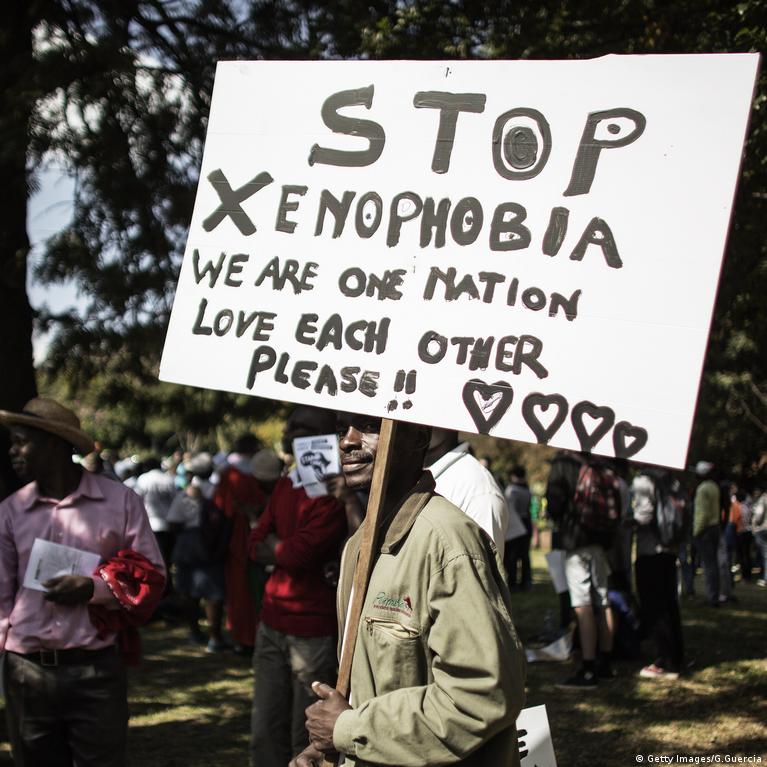
Countries including Nigeria, Ghana and Malawi have repeatedly expressed concern over the safety of their nationals in South Africa following previous waves of anti-foreigner violence.
The fallout has also extended to football. South Africa captain Ronwen Williams recently questioned why many African supporters appeared to back Mexico rather than South Africa during Bafana Bafana’s opening match at the 2026 FIFA World Cup.
Watch: https://youtu.be/IG8L-CLNYeA?si=6qLOHidqlkW9mFY7
Following South Africa’s 2-0 defeat to Mexico, Williams said he was surprised by what he viewed as a lack of solidarity from fellow Africans.
“Africans have always supported other African countries at World Cup tournaments, but I cannot understand why our situation is different. Many Africans supported Mexico instead of South Africa. It was painful to see,” he said.
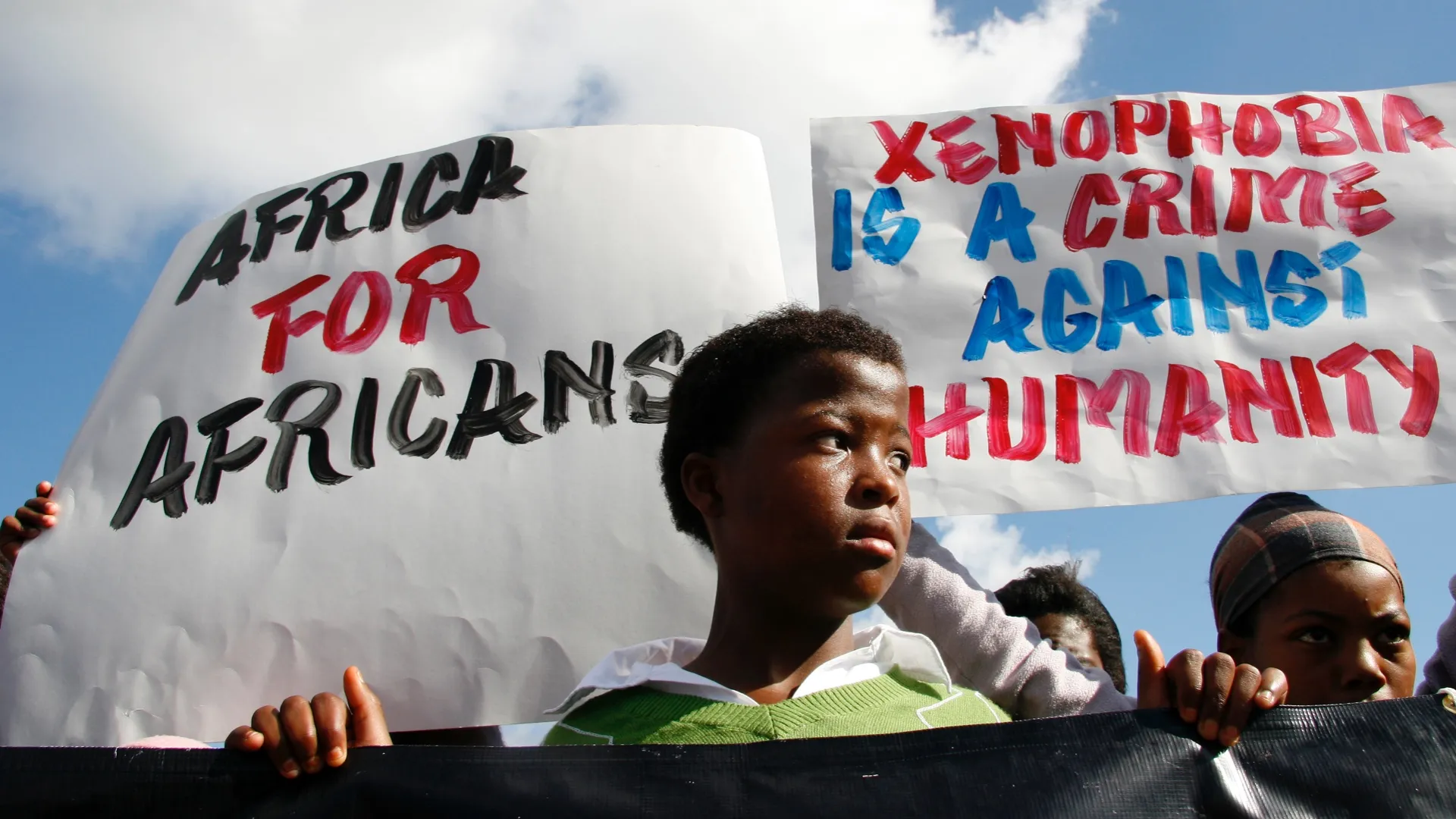
His comments have fuelled debate over whether repeated xenophobia controversies are damaging South Africa’s image across the continent and affecting how African citizens view the country.
READ ALSO: The Bigger Story Behind Nigerians Returning From South Africa Xenophobic Experience
With South African artists losing gigs, businesses facing pressure abroad, and public criticism growing in several countries, the economic and reputational costs of the xenophobia controversy are becoming increasingly visible. The latest remarks from government officials suggest Pretoria is now confronting the broader consequences of strained relations with parts of the African continent.