The Trade Union Congress of Nigeria (TUC) has rejected the planned five per cent tax on petroleum products and has given the Federal Government a 14-day ultimatum to withdraw the measure or face nationwide resistance. The labour body described the levy as economic wickedness against citizens already struggling with the impact of subsidy removal, soaring fuel prices, food inflation and the collapse of the naira.
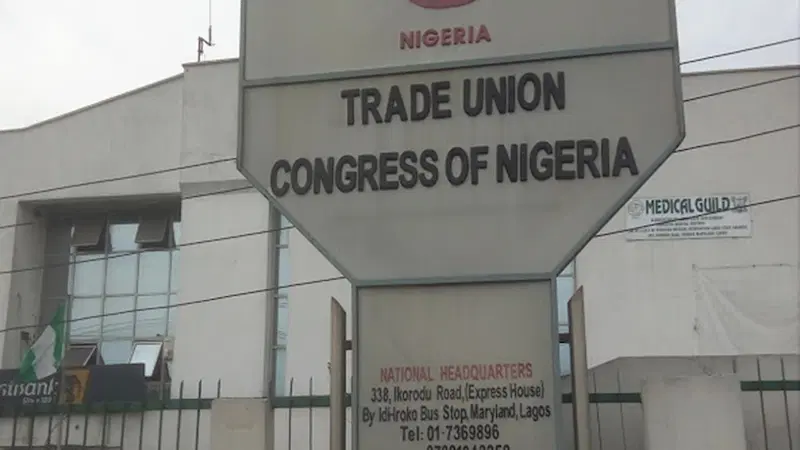
In a statement signed by TUC President General Festus Osifo and Secretary General Nuhu Toro, the union said workers and ordinary Nigerians were still reeling from hardship and that introducing another surcharge on petroleum products would only compound suffering, cripple businesses and push millions deeper into poverty. The union said the government could not continue to use Nigerians as sacrificial lambs for economic experiments, stressing that rather than offering relief, jobs and solutions, it was imposing more burdens.
READ ALSO: NLC Reviews Strike Ultimatum Over Pension
The TUC directed all its state councils, affiliates and structures across the country to remain vigilant and wait for further instructions that may culminate in decisive action if the government ignores the ultimatum. It also called on civil society organisations, professional groups, student unions, market associations, faith leaders and other stakeholders to stand in solidarity, declaring that together Nigerians must resist policies that further impoverish citizens.
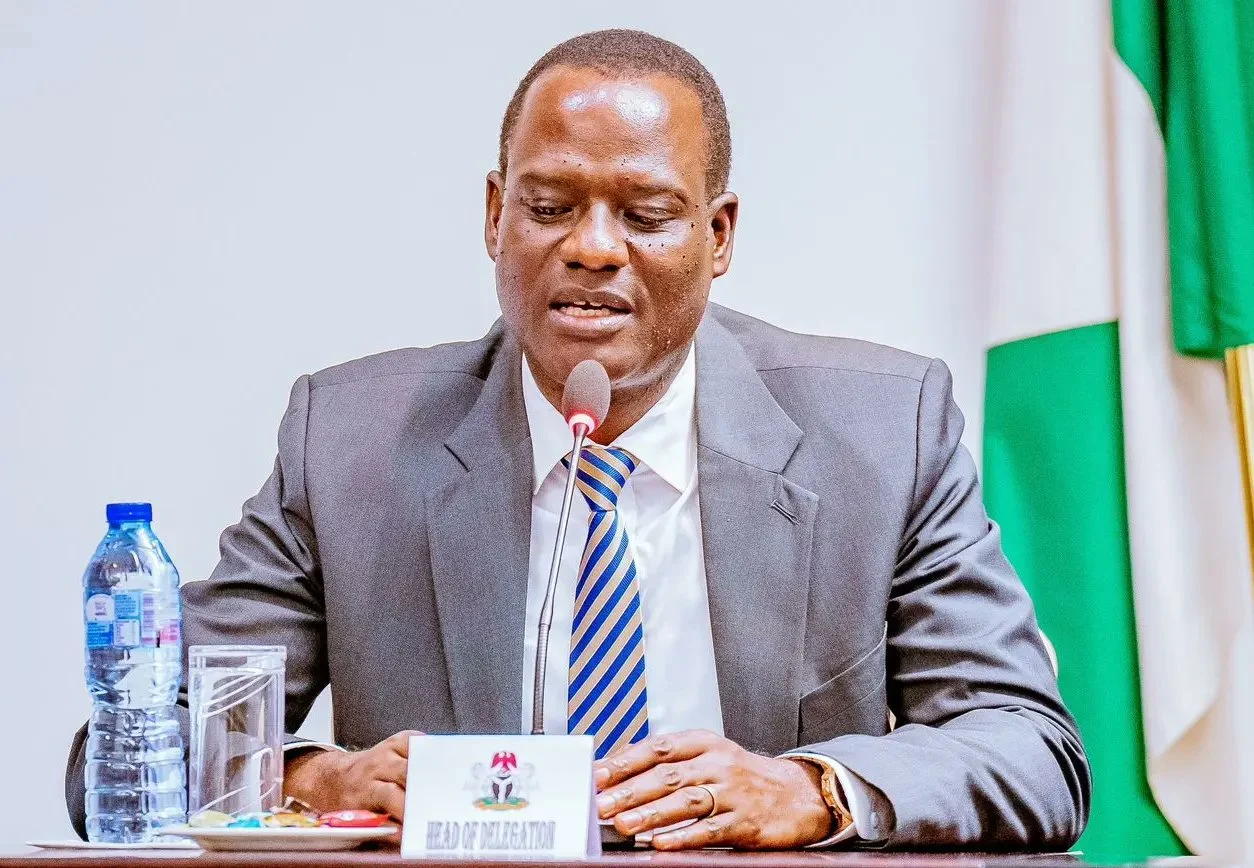
Meanwhile, Chairman of the Presidential Fiscal Policy and Tax Reforms Committee, Taiwo Oyedele, has clarified that the five per cent petroleum tax is not a new imposition but has existed since the Federal Roads Maintenance Agency (FERMA) Amendment Act of 2007. He explained that the levy was created to fund road maintenance and critical infrastructure and that its inclusion in the 2025 Tax Act was to standardise collection and ensure transparency. According to him, the tax will only take effect once the Minister of Finance issues an order, which means there is still room for adjustments and dialogue.
However, business groups and economists have warned that enforcing the surcharge would raise energy and transport costs, increase food prices and worsen Nigeria’s inflation crisis. Labour analysts also cautioned that additional levies could erode competitiveness, discourage investment and heighten the risk of industrial unrest at a time when the government is seeking to stabilise the economy.
The TUC’s warning adds to wider discontent in the labour movement, with the Nigeria Labour Congress, PENGASSAN and other unions recently criticising government policies they argue prioritise revenue over citizen welfare. The Congress also linked the planned tax to broader concerns about labour rights violations, particularly in the petroleum and textile sectors, where it has vowed to resist exploitation.
With the 14-day ultimatum now in force, attention is on how the Federal Government responds to avoid a nationwide strike. The union insists it will not allow workers and citizens to be further squeezed, while the government maintains that the measure is part of a long-standing legal framework, leaving Nigerians caught between economic hardship and a looming confrontation.