Godsent Ogbebor
REPORT: United States Airstrikes Against ISIS-Linked Militants in Nigeria (25 December 2025)
What Happened
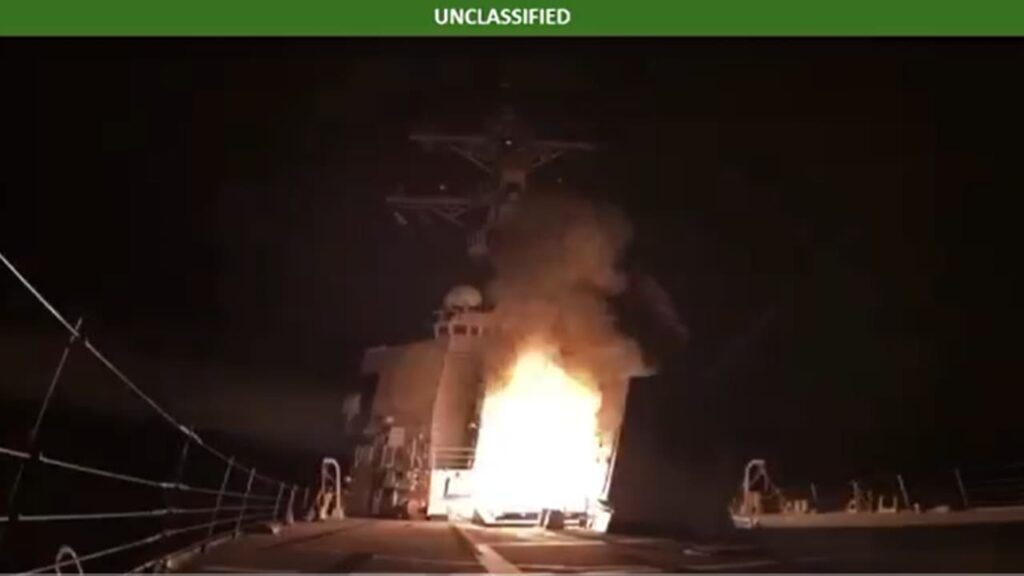
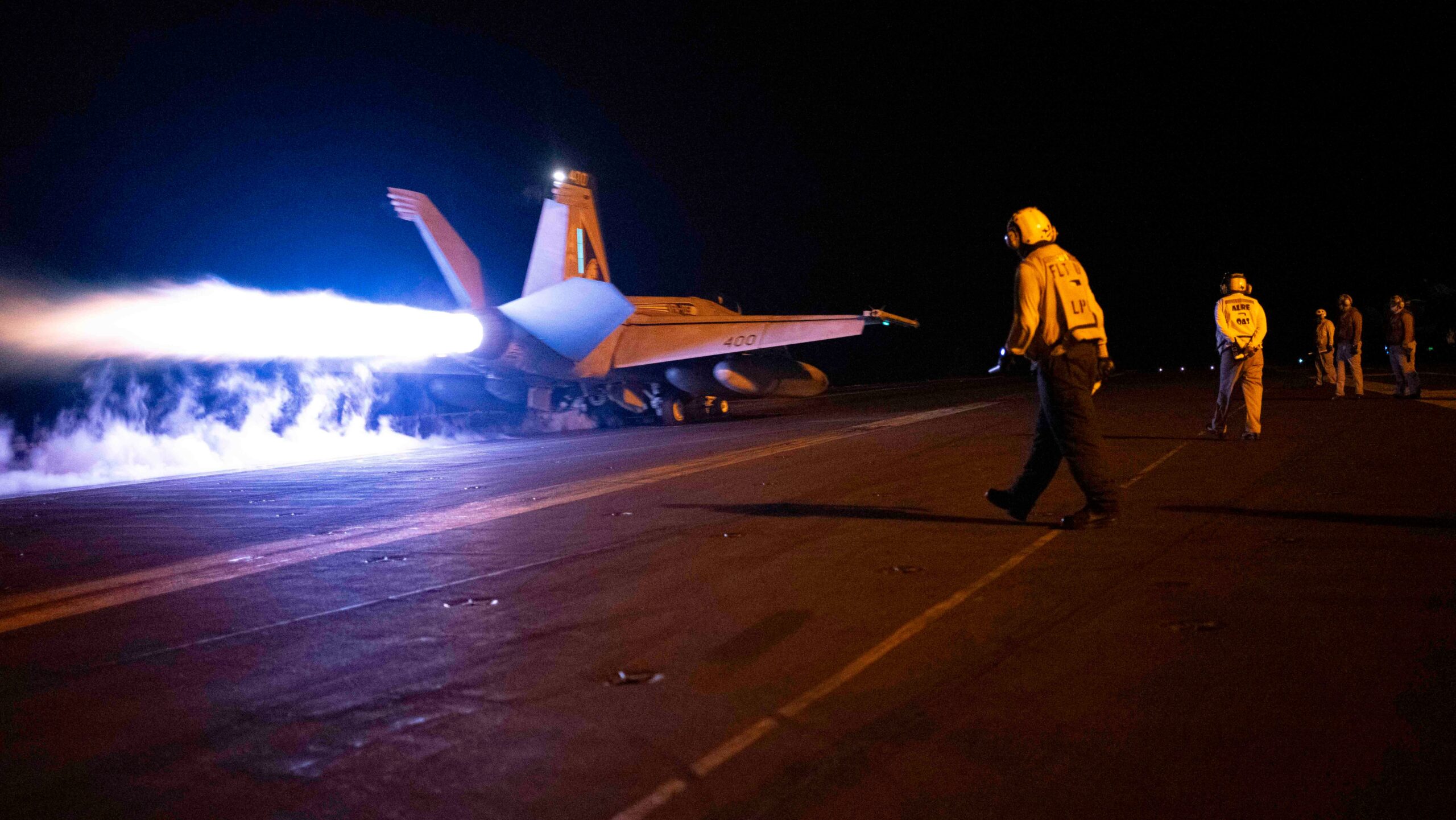
On 25 December 2025, Christmas Day, the United States military carried out airstrikes against Islamic State-linked militants in north-west Nigeria. The operation was publicly announced by United States President Donald Trump, who described the strikes as “powerful and deadly”, stating that they were directed at ISIL/ISIS elements accused of attacking innocent civilians, particularly Christians in the region.
According to official military accounts, the strikes were conducted in cooperation with Nigerian authorities and targeted identified militant positions in Sokoto State. While details remain limited, both governments presented the operation as a counter-terrorism effort rather than an act of aggression against Nigeria itself.
The strikes represent a notable escalation in US involvement in Nigeria’s internal security challenges and rank among the most direct American military actions on Nigerian soil in recent years.
Read also: Trump Flags Nigeria Again as Country of Particular Concern
Actors Involved
United States
- President Donald Trump, who authorised the operation and publicly framed it as a response to extremist violence.
- US Africa Command (AFRICOM), the military body responsible for American operations across Africa, which executed and confirmed the strikes.
- United States Department of Defense officials, who stated that the targets were militant camps and that several ISIS fighters were killed.
Nigeria
- The Federal Government of Nigeria, which confirmed coordinated security cooperation with the United States and reiterated the importance of national sovereignty.
- The Ministry of Foreign Affairs, which described the strikes as precision actions carried out within the bounds of bilateral cooperation.
Why the Strikes Happened – US and Nigerian Positions
US Justification
President Trump and senior US officials stated that the strikes were aimed at extremist groups allegedly responsible for sustained attacks on civilian populations. US rhetoric placed particular emphasis on violence against Christian communities, portraying the operation as both a security response and a moral obligation.
In the period leading up to the strikes, the United States had placed Nigeria on a religious freedom watchlist, citing concerns over persecution. This designation heightened diplomatic tensions and featured prominently in US explanations for the military action.
Nigeria’s Response
Nigerian authorities acknowledged cooperation with the US but firmly rejected the idea that the country’s violence is one-sided or driven purely by religion. Officials stressed that:
- Terrorist violence affects Christians, Muslims, and traditional communities alike.
- Nigeria’s insecurity stems from a complex mix of terrorism, criminal banditry, economic hardship, governance failures, and environmental pressures.
The Ministry of Foreign Affairs reaffirmed Nigeria’s commitment to working with international partners while insisting that all efforts must respect sovereignty and international law.
Read also: Trump Reignites Tensions, Labels Nigeria a ‘Country of Particular Concern’
Where the Strikes Occurred
The airstrikes reportedly took place in Sokoto State, in north-west Nigeria. The region has seen growing activity by extremist factions, including groups linked to the Islamic State Sahel Province, often referred to locally as Lakurawa.
This development highlights fears that militant groups are spreading beyond the long-troubled north-east, where Boko Haram and ISWAP have operated for years, into new areas where security structures are thinner and communities more exposed.
How the Strikes Were Executed
According to US military briefings:
- Precision-guided munitions were used against identified militant locations.
- Intelligence was reportedly shared between US and Nigerian forces.
- AFRICOM stated that multiple ISIS fighters were killed during the operation.
However, key operational details, including the launch platforms used and the exact number of casualties, have not been made public.
Reactions and International Implications
Nigeria
Nigeria welcomed continued security cooperation but emphasised that terrorism in the country affects all communities, not one religious group alone. Officials reiterated the need for long-term solutions beyond military action.
United States
United States leaders framed the strikes as part of a wider counter-terrorism commitment. White House officials suggested that further action could be considered if extremist threats persist.
Regional Security Community
Security analysts warned that extremist expansion into north-west Nigeria poses a serious regional risk, as militant networks exploit poverty, weak governance, and porous borders to entrench themselves.
Read also: US Seizes Venezuelan Oil Tanker Amid Rising Tensions
Broader Context – Nigeria’s Security Crisis
Nigeria has endured a prolonged security emergency marked by:
- Boko Haram and ISWAP insurgency in the north-east.
- Banditry, kidnappings, and communal violence across northern regions.
- Criminal and militia networks thriving in areas with limited state presence.
The crisis has displaced millions, strained institutions, and drawn increasing international attention.
What to Note From This Report
- The 25 December 2025 airstrikes were targeted actions against ISIS-linked militants, carried out with Nigerian cooperation.
- The United States framed the strikes as necessary to protect civilians and counter terrorism.
- Nigeria supports international security partnerships but rejects over-simplified or religiously exclusive narratives.
- The incident reflects the complex and evolving nature of Nigeria’s security challenges.
Legal and Sovereignty Implications
The strikes raise important questions around international law and national sovereignty.
While cooperation was acknowledged, limited public detail exists regarding:
- Legislative approval within Nigeria.
- Jointly defined rules of engagement.
- Accountability mechanisms should civilian harm later be established.
International law requires foreign military action to meet standards of consent, necessity, proportionality, and civilian protection. Transparency on these points remains incomplete.
Civilian Impact and Humanitarian Concerns
Independent verification of civilian casualties has not yet been released. This is significant because:
- North-west Nigeria already hosts displaced and vulnerable communities.
- Even precision strikes carry risks in rural areas.
- Lack of humanitarian assessments can fuel distrust and radicalisation.
Human rights groups continue to call for civilian harm reviews.
Media Framing and Competing Narratives
International media largely portrayed the strikes as counter-terrorism measures. Nigerian analysts, however, emphasised deeper structural causes such as poverty, governance failures, and climate stress.
Over-religious framing risks hardening divisions and obscuring sustainable policy responses, showing how narratives shape conflict as much as weapons do.
Implications for Nigeria-US Relations
The strikes may:
- Expand intelligence sharing and military support.
- Increase diplomatic scrutiny of Nigeria’s internal policies.
- Raise concerns about reliance on external military solutions.
Maintaining cooperation without undermining autonomy remains a delicate balance.
Regional Spill-Over Risks
History shows that airstrikes can displace, rather than eliminate, fighters. Possible outcomes include:
- Movement of militants into Niger, Benin, or Burkina Faso.
- Increased cross-border arms trafficking.
- Wider instability across West Africa.
Lessons from Past Interventions
Experience across Africa and beyond shows that:
- Military force alone rarely ends insurgency.
- Governance reform and economic inclusion are essential.
- Civilian trust matters as much as military capability.
Nigeria’s struggle with Boko Haram reinforces this reality.
Forward-Looking Questions
The strikes leave pressing questions:
- Will future operations be disclosed openly?
- How can Nigeria strengthen its own early-warning systems?
- Can counter-terrorism shift towards prevention and deradicalisation?
Meanwhile, the US airstrikes in Nigeria are more than a single military episode. They reflect the internationalisation of Nigeria’s security crisis, the tension between urgency and sovereignty, and the clear limits of force when used in isolation.
However, lasting security will come not from airstrikes alone, but from accountable governance, justice, economic opportunity, and a visible, trusted state presence in neglected communities.