
By Promise Bassey
Middle East Tensions Persist: Israel-Hezbollah Clashes and Gulf Shipping Under Fire
The Middle East remains on edge this week, with airstrikes in Lebanon and new attacks on commercial shipping off Oman threatening to undermine hopes for broader de-escalation in the region.
Israel-Hezbollah exchange escalates in Beirut and South Lebanon
The Israeli Air Force carried out a precision strike on a Hezbollah headquarters in Beirut’s southern suburbs. Footage from the site showed smoke and dust rising from the building, with debris covering nearby streets and residents searching for survivors. The IDF said the target was a senior command node used to coordinate operations.
Read more: Families of Israeli Hostages Demand Halt to Ceasefire Progress Until Bodies Are Returned
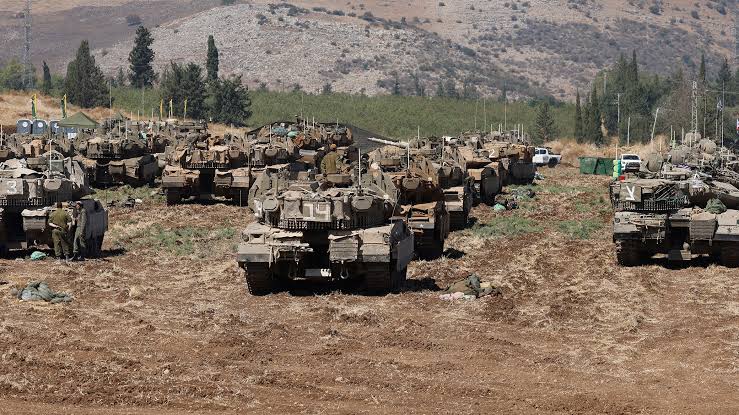
Hours later, the IDF hit a Hezbollah command center in Dahiyeh, a Beirut district known as a group stronghold. Israel said the strike was in response to projectiles fired from Lebanon into northern Israel earlier that day. No group claimed the rocket fire, but the exchange follows a pattern of tit-for-tat strikes that have kept border communities on alert.
The timing is sensitive: Israeli officials have said they will not withdraw from positions in Lebanese territory while the U.S.-Iran interim deal is pending, and plan to remain “indefinitely” in areas they hold in Lebanon, Syria, and Gaza. That posture is already complicating diplomatic efforts to stabilize Lebanon’s south.
Read more: Senate rejects arrest warrant against Kyari, disowns Oshiomhole’s comments on NNPC
Gulf waters hut as three Indian-crewed vessels attacked off Oman
Shipping risks spiked off the Omani coast this week after three commercial vessels with Indian crew came under attack. One of the incidents killed three Indian seafarers.
The attacks come as negotiations around the Strait of Hormuz are underway. Iran and the U.S. have both said Hormuz would reopen to commercial traffic and U.S. naval restrictions on Iranian ports would lift if a memorandum is signed. For now, though, the incidents are keeping insurers and ship operators cautious, with freight costs and crew safety still a major concern for Indian, Gulf, and East African import routes.
Why it matters
Together, the Beirut strikes and Gulf attacks show how quickly localized incidents can ripple across trade, diplomacy, and energy markets. With the U.S.-Iran deal still pending and Israel holding firm in Lebanon, the region faces a fragile balance: any miscalculation at sea or on the border could quickly reset market relief and derail peace efforts.