Onaiyekan, Osigwe Seek Major Changes to Nigeria’s Electoral System
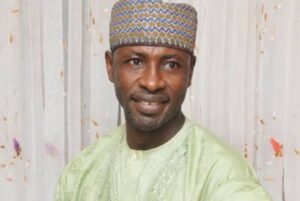
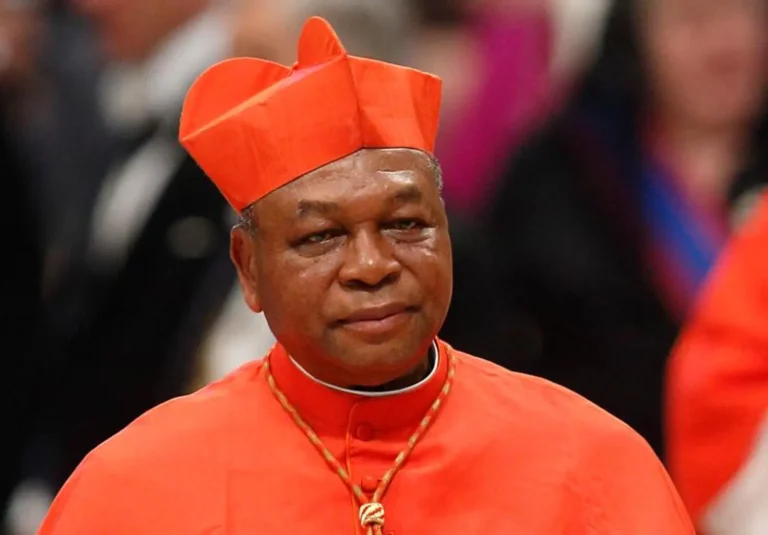
Former Catholic Archbishop of Abuja, John Cardinal Onaiyekan, and former Nigerian Bar Association President, Mazi Afam Osigwe, SAN, have called for major reforms to Nigeria’s electoral system, including changes to the appointment of electoral commissioners and the handling of election disputes.
Speaking at the 22nd All Nigeria Editors Conference in Enugu, Onaiyekan said Nigeria’s electoral system needed fundamental improvement to ensure that elections genuinely reflected the choices of voters.
The conference, organised by the Nigerian Guild of Editors, is themed “The Ballot, the Media and the Task of Keeping Democracy Alive.”
Onaiyekan proposed that the Independent National Electoral Commission chairman and commissioners should be appointed through a process that would make them less dependent on the President and state governors, who are themselves political actors.
He also advocated a minimum 50 per cent threshold for presidential elections, with a run-off between the two leading candidates where no contender secures the required percentage.
The Cardinal further proposed special election tribunals with strict timelines to resolve disputes before elected candidates are sworn in. He said ordinary voters should also have the legal right to challenge election results where they believe their votes were not properly counted.
Read also: Kebbi Electoral Board Set For Change
Onaiyekan criticised the growing role of the judiciary in determining electoral outcomes, arguing that courts should resolve disputes rather than effectively decide who won elections.
He also called for independent candidacy, particularly at the local government level, saying communities should have the opportunity to elect respected individuals without requiring them to secure sponsorship from political parties.
Osigwe similarly raised concerns about Nigeria’s electoral dispute system, saying the country had one of the highest numbers of electoral disputes globally.
Speaking on “Election Petition in a Digital Age: Independence, Evidence, BVAS and the Court,” Osigwe linked the high number of disputes to what he described as failures of leadership at the federal, state and local government levels.
He said the increasing involvement of courts in elections had contributed to the “judicialisation” of the electoral process, partly because of challenges in proving electoral malpractice and non-compliance with electoral laws.
Read also: INEC Warns Funding Gaps Could Disrupt 2027 Election Logistics
According to him, credible elections depend on independent electoral institutions, reliable evidence before tribunals and the ability of courts to determine disputes consistently and within a reasonable timeframe.
Osigwe also highlighted challenges surrounding electronic evidence generated by the Bimodal Voter Accreditation System, saying technological measures introduced to strengthen elections could be undermined by legal and procedural difficulties.
Meanwhile, Minister of Information and National Orientation, Mohammed Idris, represented by the Managing Director of the News Agency of Nigeria, Ali M. Ali, warned that artificial intelligence-generated misinformation could pose another threat to electoral credibility ahead of the 2027 elections.
Idris said AI could be used to create convincing fake photographs, videos, audio recordings and documents capable of misleading voters and weakening confidence in authentic information.
He urged news organisations to make verification a permanent newsroom practice and encouraged journalists to establish the source of claims, verify supporting evidence and determine whether photographs and videos were authentic and current.
Vice President Kashim Shettima, in a video message to the conference, also stressed the importance of professional journalism in protecting democracy, particularly as technology makes it easier to create convincing false information.
Shettima said journalists and editors had a responsibility to scrutinise government while also reporting the country’s progress, adding that disagreement between the media and government was part of a healthy democracy when based on facts.
The Obi of Onitsha and chairman of the conference, Igwe Nnaemeka Alfred Achebe, urged editors to prioritise verification over speed and strengthen their understanding of AI-generated disinformation.
He said the media must continue to defend democratic values and challenge falsehoods regardless of which political side benefits from them.
Enugu State Governor Peter Mbah and Jigawa State Governor Umar Namadi also attended the opening session and urged editors to sustain democracy through their work.