
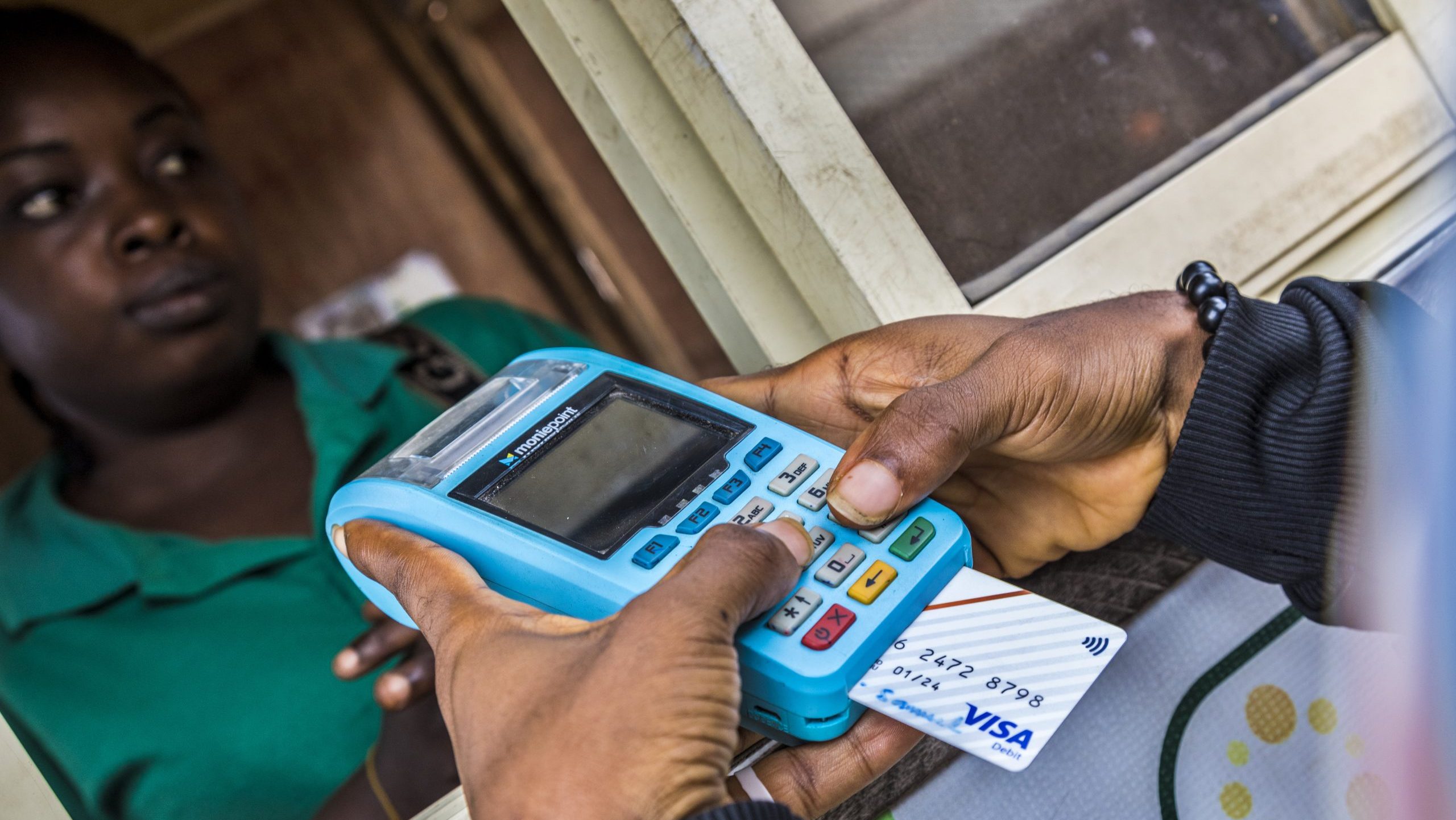
POS, Bank’s – Why Nigerians Prefer POS Over Traditional Bank Services
Imagine paying ₦600 to withdraw ₦1,000. That is daylight robbery disguised as policy.
That’s what my friend said when she recently received an email from UBA (United Bank of Africa) informing her of the new ATM withdrawal fees:
We wish to inform you of changes to ATM withdrawal charges in line with the new Central Bank of Nigeria Policy. Please note that the following fees will apply:
Free withdrawals at UBA ATMs for our customers
• N100 per withdrawal at other banks ATMs
• N600 per withdrawal at ATMs outside the bank’s premises
• For International transactions, charges will reflect the fees set by the bank handling the transaction.
If you have further enquiries, please contact our 24hrs Customer Fulfilment Centre on 0201-2808822 or 0700 2255822. You can also send an email to cfc@ubagroup.com. Thank you for choosing to bank with us.
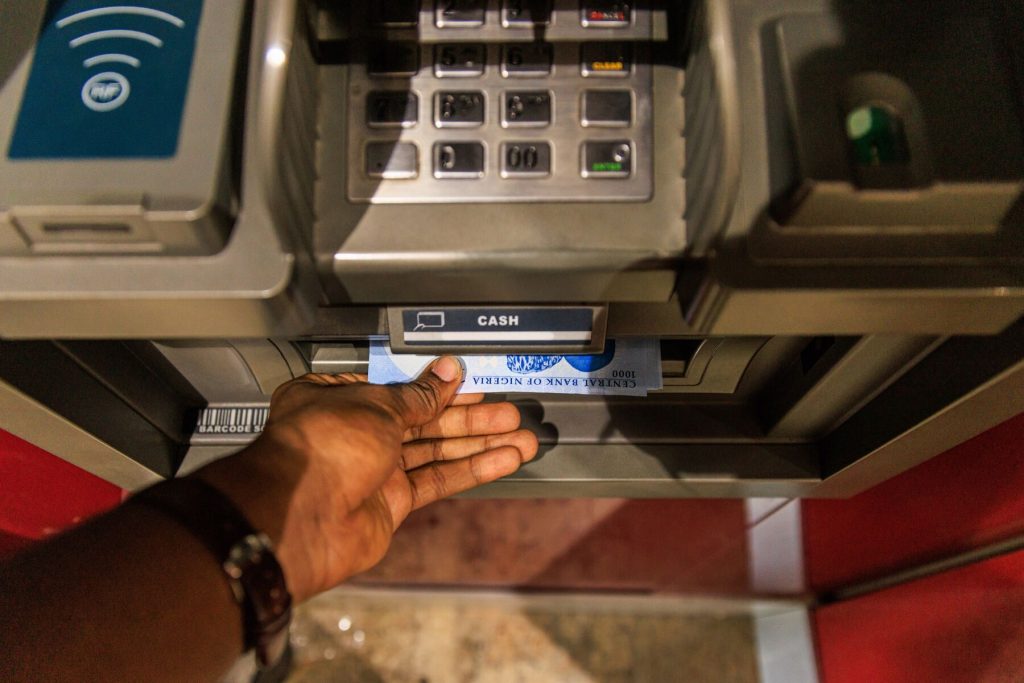
This annoyance is experienced by millions of Nigerians who have grown weary of high charges, queues, and limited cash availability in banks. The result is that a very clear shift has taken place in Nigeria’s financial landscape, which is the advent of Point of Sale (POS) transactions.
In the first six months of 2024, Central Bank of Nigeria’s (CBN) latest quarterly statistical bulletin reported that Nigerians POS transactions was ₦85.91 trillion, which is quite big compared to ATM transactions. For ATM, Nigerians carried out just ₦12.21 trillion during the period, which reflects that Nigerians’ spending and money transfer habits have changed.
Also, in 2023, POS transactions increased by 77% to ₦85.91 trillion. These are more than just simple numbers, they basically showcase Nigerians attitude about money and convenience.
POS terminals have become as common as pure (sachet) water nylon, as Nigerians will call it, appearing in the market, streets, and everywhere. The little POS machines and mobile banking apps have made cashless transactions speedy and sharp!
Read also: Regina Daniels: Love Story or a Slow Awakening?
A visit to the bank or ATM is no longer needed because anyone can acquire cash, transfer funds, or make payments with a few simple actions. To most Nigerians, especially those in rural areas where bank branches are few, POS agents and mobile banking apps have become an escape from bank wahala.
The ease of accessing money without having to travel long distances has been so pleasant but this ease has come with a price tag attached to it.
The Price of Convenience
In December 2024, POS operators took advantage by raising service costs of transactions. Some POS agents charged up to ₦200 for withdrawing ₦5,000. Bank ATMs were dispensing limited cash and most Nigerians were forced to accept the high charges for POS transactions.
Meanwhile, ATM transactions declined. The entire value fell by 16.6% from ₦14.63 trillion in 2023 to ₦12.21 trillion in 2024. Nigerians were cautious of their wallets, most people turned away from ATMs and moved towards POS agents, fintech platforms, and mobile banking alternatives.
The Digital Banking Boom
POS is not the only financial revolution developing in Nigeria. Internet banking and mobile payments have also recorded remarkable growth. Internet banking transactions doubled in value, from ₦462.17 billion in 2023 to ₦825.5 billion in 2024. Mobile payment transactions also increased from ₦97.06 billion to ₦159.42 billion, with a total of 3.49 billion transactions.
Nigerians are currently adopting digital payments in unimaginable ways. Gone are the days when traditional banks controlled financial transactions. Today, fintech giants such as OPay, Moniepoint, Palmpay, and Kuda are dominating the POS market.
Many Nigerian now trust these fintech’s than conventional banks. I was shocked when a client told me he deposited ₦3 million in his Opay account and I had to ask, what if Opay closes down with your ₦3 million. This implies that people have developed so much trust in these fintech giants.
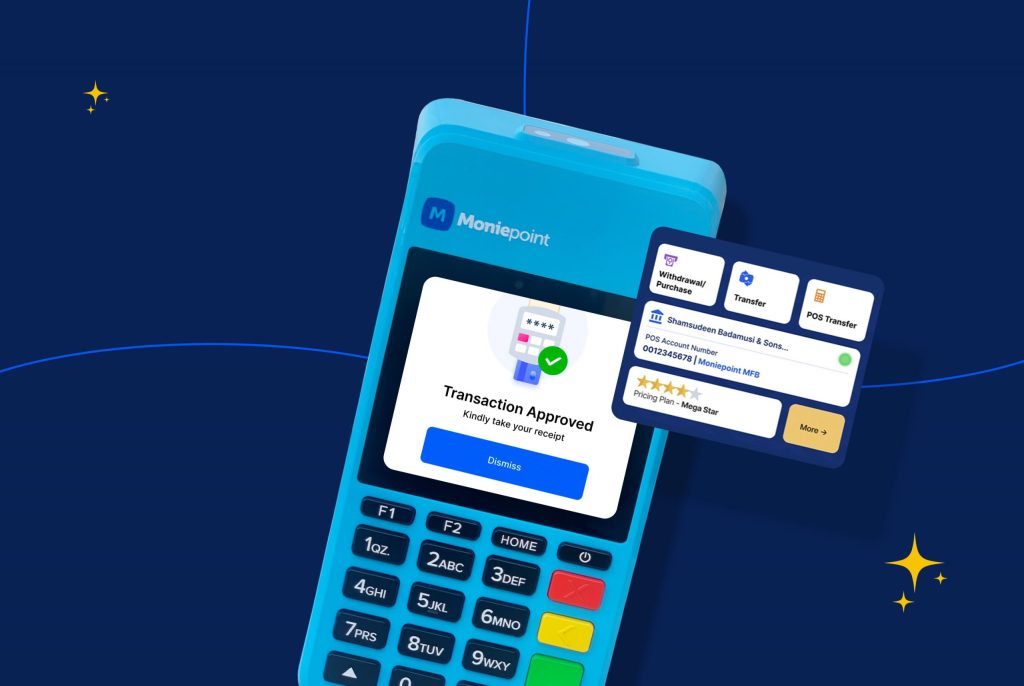
Check this out:https://x.com/TheIntelpoint/status/1896531759262744719
The Dark Side of POS Transactions
This financial prosperity has not been without its challenges. Increased POS transactions has led to an increase in fraudulent activity. Fraud involving POS terminals increased in the first quarter of 2024, leaving many Nigerians in difficulty due to lost monies.
In an effort to control this, the CBN enacted new guidelines to improve security and prevent fraud. POS agents are now subject to more severe rules, which include:
- A ₦100,000 daily cash out limit per customer
- A daily cumulative limit of ₦1.2 million for each agent
- A weekly cash withdrawal limit of ₦500,000 for each customer
- Mandatory electronic submission of daily transaction reports to the Nigerian Inter-Bank Settlement System (NIBSS)
These policies were intended to strengthen the system but they added additional levels of complexity. Imagine a trader attempting to withdraw funds for commercial activities only to be informed that they have surpassed the daily limit.
Banks Are Losing the Trust Battle, Big Time!
Traditional banks are losing customers due to cash shortages, high rate of bank charges, and poor services. “First Bank, which is supposed to be first, is no longer first because OPay and Palmpay now offer sharp transactions with less cost. Most Nigerians now trust online banking apps rather than traditional banks,” my friend lamented.
The Way Forward
Despite these challenges, Nigerians have remained resilient and will remain resilient. If it is waiting in constant ATM lines, fighting with POS operators, or adjusting to new withdrawal limit, Naija people will always find a way out of the chaos.
CBN can continue to adjust its policy and police compliance, the aim is that Nigeria’s cashless policy would eventually benefit everyone, from banks and agents to the average Nigerian who merely wants easy access to his or her hard-earned income.
One thing that is very certain is the future of Nigerian payments is digital. The question is not if Nigerians will succeed, but how soon banks, fintech businesses, and regulators can collaborate to provide a smooth and accountable transaction for everyone. In the meantime, Nigerians will keep doing what they do best which is thriving against the odds!
Read also: NotebookLM, have you heard about it?


The first time a friend mentioned this which was on Friday, I was shocked too… But if these POS owners should know about these changes, hope their charges will not increase too, besides what led to this unreasonable increase in charges from these banks?
Anyways, fingers crossed