By Esohe Aifuwa
“By increasing local fish production, we can create jobs, improve nutrition, and build a stronger economy.” – FG
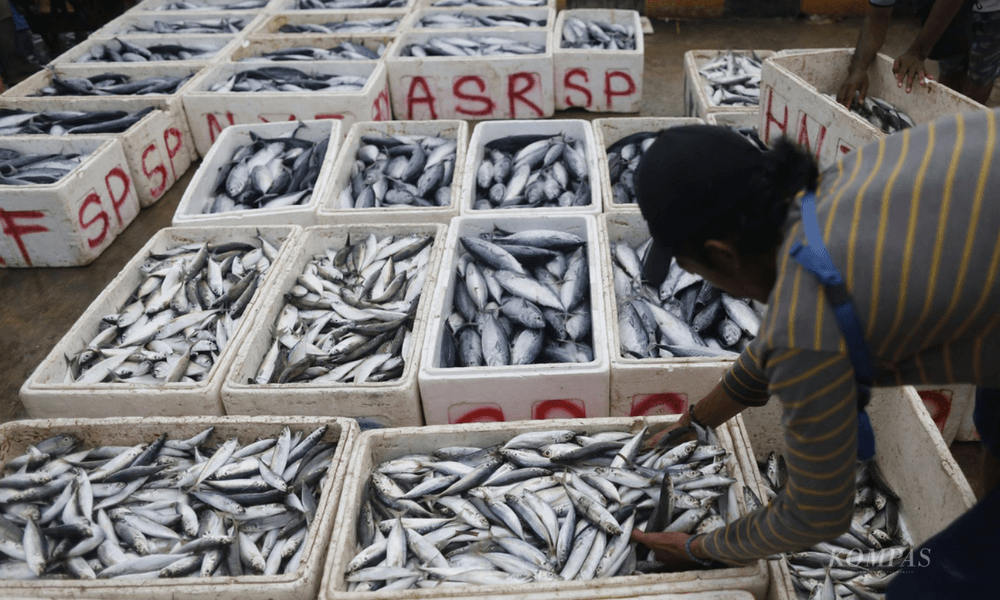
The Nigerian government is taking bold steps to eliminate fish imports by strengthening local aquaculture and supporting youth and women in the fisheries sector.
The Minister of Marine and Blue Economy, Adegboyega Oyetola made this announcement on Wednesday with the fisheries cooperative groups in Abuja, where he shared plans to make aquaculture a cornerstone of food security and job creation.
Read more:https://tribuneonlineng.com/fg-to-end-fish-importation-targets-aggressive-local-production/
He emphasized the government’s commitment to reducing Nigeria’s reliance on imported fish through targeted policies, technical assistance, and financial support for local farmers.
“We want to empower our youth and women to drive growth in this sector,” Oyetola said. “By increasing local fish production, we can create jobs, improve nutrition, and build a stronger economy.”
The minister revealed ongoing discussions with the World Bank to secure funding for fish farmers and plans to partner with the Nigerian Agricultural Insurance Corporation to provide affordable insurance, while exploring ways to expand successful aquaculture models, like the one at Oyan Dam, to other parts of the country.
Olufemi Oloruntola, the ministry’s Permanent Secretary, stressed the importance of working closely with cooperative societies to ensure inclusive growth. “We are ready to collaborate with stakeholders to tackle challenges and unlock the sector’s potential,” he said.
Read more:https://pointblanknews.com/pbn/news/fish-import-ban-looms-as-fg-backs-aquaculture/
Mashi Sani, President of the Fisheries Cooperative Federation of Nigeria, proposed a N75 billion initiative to create one million jobs, cut post-harvest losses by half, and boost fish production by 35% over three years. He highlighted challenges like overfishing, poor infrastructure, and limited access to finance, urging the government to act swiftly to address these issues.
Oyetola assured stakeholders that the ministry’s efforts would focus on sustainable solutions, with continued dialogue to drive progress in Nigeria’s fisheries sector.