
By Esohe Aifuwa
Canadian Court Labels Nigeria’s Major Parties as Terrorist Groups, Sparks Outrage
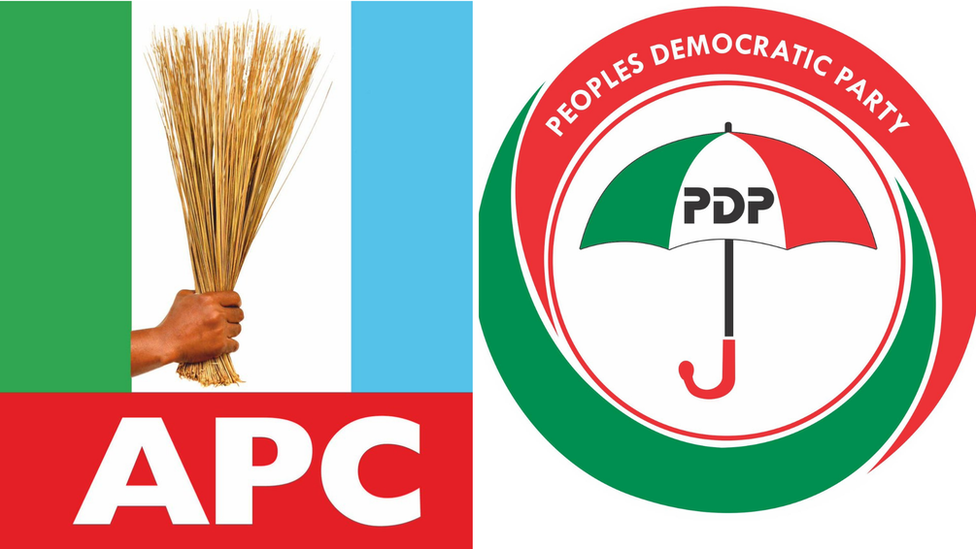
A Canadian court’s decision to classify Nigeria’s two dominant political parties, the Peoples Democratic Party (PDP) and the All Progressives Congress (APC), as terrorist organizations has ignited fierce criticism from Nigerian political leaders and observers, who call the ruling misguided and dangerous.
The Federal Court of Canada, in a June 17, 2025, ruling, upheld a decision to deny asylum to Douglas Egharevba, a Nigerian who had been a member of both the PDP and APC, citing the parties’ alleged involvement in political violence, voter intimidation, and electoral misconduct as grounds for labeling them terrorist groups under Canada’s Immigration and Refugee Protection Act.
PDP’s Deputy National Youth Leader, Timothy Osadolor, dismissed the verdict as baseless, while speaking in Abuja, he argued that the court’s claims lack evidence and unfairly tarnish Nigeria’s democratic institutions. “This is a democracy, just like Canada’s. Labeling entire political parties as terrorist organizations is reckless and wrong,” Osadolor said.
He urged Canadian authorities to target specific individuals with proven ties to violence rather than issuing blanket condemnations.
Olufemi Soneye, former Chief Corporate Communications Officer of NNPC Ltd, warned that the ruling sets a troubling precedent. “This decision could haunt Nigerians abroad, from visa denials to rejected asylum claims,” he said. “Worse, it risks undermining Nigeria’s democracy by casting legitimate political participation as extremism.”
Court documents revealed that Egharevba, who lived in Canada since 2017, was a PDP member from 1999 to 2007 before joining the APC until 2017. The Immigration Appeal Division pointed to the PDP’s alleged role in ballot stuffing and voter intimidation during the 2003 and 2004 elections as evidence of terrorist activity.
Critics argue the ruling oversteps Canada’s jurisdiction and threatens to strain diplomatic ties. They warn that such a label could embolden foreign courts to interfere in Nigeria’s political landscape, potentially silencing opposition and eroding democratic freedoms.