
Oluwatunmise Omoseyin
Imagine a world where simple activities like crossing the street, attending school, or getting a job feel like climbing Mount Everest. For millions of people with disabilities, this is the reality they face every day. From physical obstacles to societal attitudes, the challenges are immense. But as the saying goes, “No be by power, na by determination.” With the right advocacy and inclusion efforts, change is not only possible but necessary.
For people living with disabilities, daily life often comes with unique hurdles. Many public spaces, buildings, and transportation systems are not designed with accessibility in mind. Ramps, elevators, and tactile paving are still missing in several cities. Imagine trying to enter a school or workplace only to be stopped by a flight of stairs. “How person go take survive like this?”
Negative societal attitudes remain a significant issue. People with disabilities are often seen as less capable, leading to exclusion from opportunities in education, employment, and social activities. This stigma can create a vicious cycle of isolation and poverty.
In many parts of the world, children with disabilities face difficulties accessing quality education. Lack of special needs teachers, assistive technology, and inclusive curricula can make learning a struggle. Without education, the future becomes bleak for many.
Finding a job is tough for anyone, but for individuals with disabilities, the odds are even higher. Employers may underestimate their abilities, and workplaces are often not equipped to accommodate their needs.
Adequate healthcare services, including therapy and assistive devices, are often out of reach due to high costs or limited availability. “Abi na magic dem go take manage?”
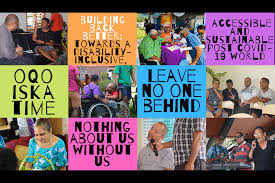
Advocacy and Inclusion – The Way Forward
Despite these challenges, several organizations and individuals are working tirelessly to advocate for disability rights and promote inclusion.
Organizations like Disability Rights International, The Albino Foundation, and Leonard Cheshire are leading the charge to protect the rights of people with disabilities. These groups work on policy changes, awareness campaigns, and providing direct support to individuals.
Inclusive education programs aim to ensure that children with disabilities learn alongside their peers. In Nigeria, for instance, efforts are being made to implement the National Policy on Inclusive Education.
Programs promoting workplace inclusion are gaining traction. By showcasing the talents and potential of individuals with disabilities, these initiatives are changing employer mindsets. “No be only muscle person dey use work; brain sef dey important!”
Governments and NGOs are pushing for better urban planning that considers the needs of all citizens. Wheelchair accessible buses, braille signs, and hearing aids in public spaces are becoming more common in forward-thinking cities.
Why Inclusion Matters
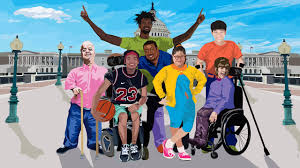
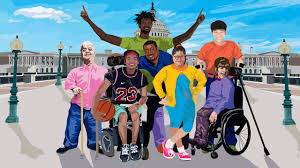
Disability rights are human rights. Inclusion isn’t just a moral imperative; it’s a benefit to society as a whole. When everyone is given a chance to contribute, innovation thrives, and communities become stronger.
“Na together we go fit waka well. If we dey leave some people behind, e go affect us all.”
Let us challenge stereotypes, break down barriers, and advocate for a society where no one is left behind. Disability is not inability, it’s time the world understood that.
For change to happen, everyone must play their part. Whether it’s supporting inclusive policies, hiring a diverse workforce, or simply showing kindness, your actions matter. After all, “Better society na wetin everybody dey gain.” Let’s build that better world, one where disability rights and inclusion are not just buzzwords but the reality we all live in.