By Esohe Aifuwa
Earthquake Kills Hundreds in Islamic Republic of Afghanistan
A powerful earthquake struck eastern Afghanistan late Sunday, flattening homes in remote villages and claiming at least 800 lives, local authorities reported. The disaster, followed by multiple aftershocks, has left communities in Kunar and Nangarhar provinces reeling from widespread destruction.
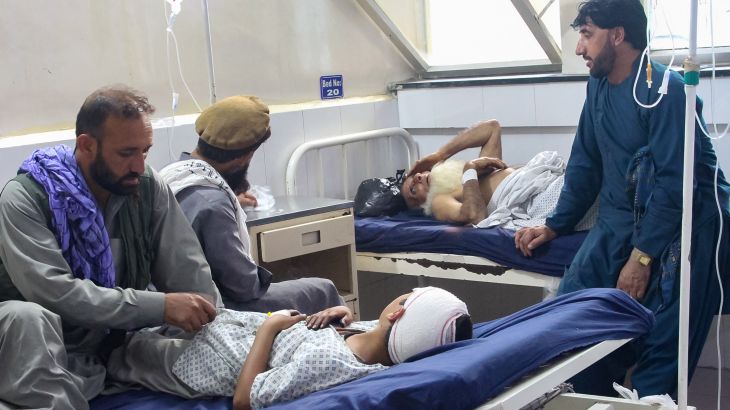
The quake, hitting just before midnight, sent tremors as far as Islamabad, Pakistan. In Kunar province, near the epicenter, officials confirmed 800 deaths and 2,500 injuries. In neighboring Nangarhar, 12 people died, and 255 were injured, with countless homes destroyed, according to Taliban government spokesman Zabihullah Mujahid.
Rescue operations, involving Taliban forces and UN aid teams, are underway, but blocked roads and limited communication networks have hindered access to isolated Kunar villages. The defense ministry reported 40 air sorties to deliver aid and support to the affected areas.
Read More:https://mediaerrandsnews.com/bus-crash-in-afghanistan-kills-79/
“It was pure panic,” said Ijaz Ulhaq Yaad, a resident of Kunar’s Nurgal district. “The ground shook violently, and screams filled the air. Many here lost everything.” He highlighted that numerous victims were recent returnees from Pakistan and Iran, living in fragile mud-brick homes that collapsed under the quake’s force.
The US Geological Survey noted the quake, centered 27 kilometers from Jalalabad, struck at a shallow depth of eight kilometers, intensifying its impact. Over 1.2 million people likely felt strong shaking. At least five aftershocks, the strongest measuring 5.2, struck through the night.
Afghanistan’s location in the earthquake-prone Hindu Kush region amplifies its vulnerability. Recent flooding in Nangarhar, which killed five and damaged crops, has further strained resources. Decades of conflict and reduced foreign aid since the Taliban’s return have left the nation struggling to respond to such crises.
UN Secretary-General Antonio Guterres offered condolences, joining global leaders in expressing support. As rescue efforts press on, the focus remains on reaching those stranded in remote areas, where the full extent of the devastation is still emerging.