

By Chidinma Nwaoji
Federal Civil Service Tackles Skill Deficit, Charts Path to $1 Trillion Economy
In a bold departure from the long-standing perception of overstaffing, the Federal Civil Service Commission has identified a deep-rooted skills mismatch and redundancy as the true burden stalling Nigeria’s public workforce.
Speaking at the unveiling of the commission’s maiden strategic plan in Abuja on Wednesday, Chairman Prof. Tunji Olaopa revealed that while the country’s civil service workforce is comparatively small, its inefficiency stems from outdated skills and underutilisation.
Read more:NSCDC Arrests 17 Suspects Over Attacks on Oil Installations in Niger Delta
“Contrary to popular belief, we are not dealing with an excess of personnel. The core challenge is that most of our staff lack the expertise that today’s governance demands,” Olaopa stated at the three-day retreat held from June 30 to July 2.
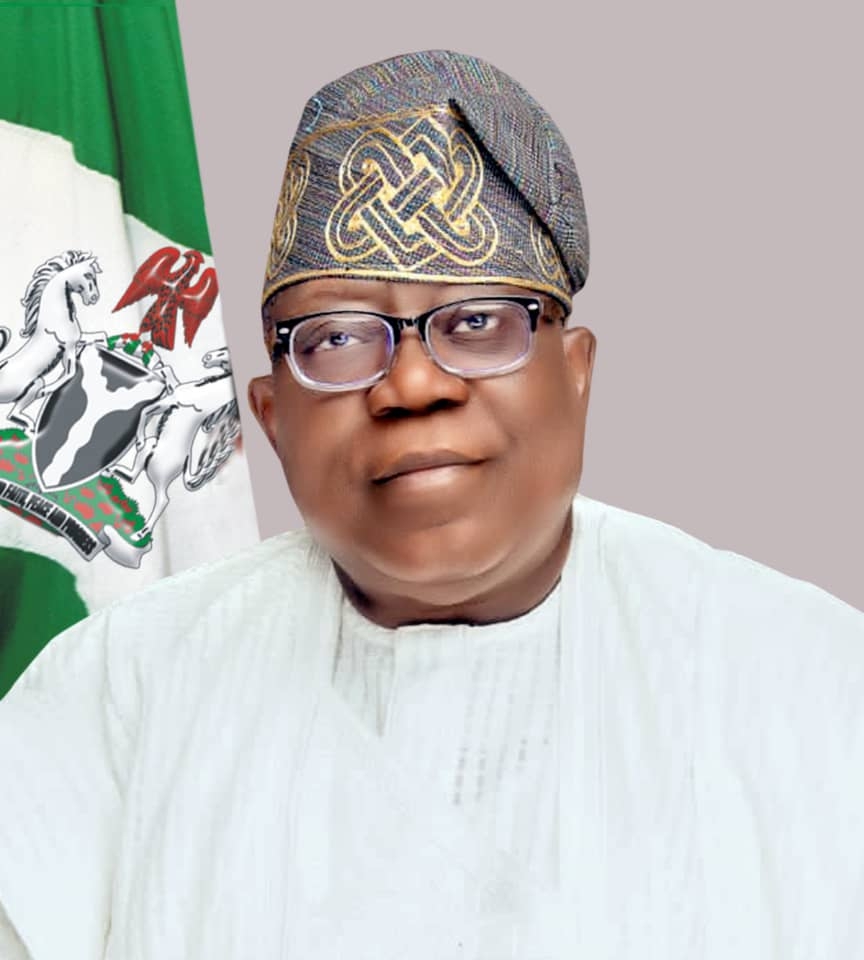 Prof. Tunji Olaopa
To reverse this trend, the commission is rolling out an ambitious reform plan focused on performance-based management, strategic redeployment, upskilling initiatives, and incentivised voluntary exits.
According to the chairman, the vision is to reconstruct a public service that acts as a catalyst for economic transformation and aligns with President Bola Tinubu’s national target of a $1 trillion economy by 2030.
“This is not about cutting numbers—it’s about putting the right people in the right positions, backed by the right tools,” Olaopa said. “We’re determined to shift the civil service from being a bottleneck to becoming a key driver of national development.”
The newly unveiled 2025–2029 Strategic Plan prioritises merit-driven recruitment, digital adoption in administrative processes, and institutional reforms that elevate transparency and accountability across government agencies.
For the first time in the commission’s history, job vacancies have been publicly advertised and application processes digitised—marking a step towards a more competitive and open system.
Highlighting President Tinubu’s December 2023 directive to overhaul federal bureaucracy, Olaopa reiterated the administration’s push to digitise and modernise the civil service as a means to stimulate private sector growth and economic diversification.
“Our public institutions must no longer be seen as a drag on the nation’s progress. The reforms we are implementing will attract top talent and ensure career progression is tied to measurable performance,” he noted.
The chairman further stressed that achieving Nigeria’s trillion-dollar ambition would require a bureaucracy that is lean, skilled, innovative, and responsive to the realities of modern governance.
“This transformation is not cosmetic. It’s a structural shift designed to make the civil service future-ready and nationally impactful,” he concluded.
