By Chidinma Nwaoji
FG Convenes Petrol Pricing Dialogue as Market Pressures Mount
In response to growing unease over petrol pricing and supply volatility in Nigeria’s deregulated market, the Federal Government has scheduled a two-day national forum on July 23 and 24, 2025. The meeting aims to engage major stakeholders on developing a sustainable pricing framework for petrol and tackling concerns raised by marketers and industry players.
The Nigerian Midstream and Downstream Petroleum Regulatory Authority (NMDPRA), the summit’s convener, intends to bring together refiners, marketers, regulators, and government representatives to assess pricing standards, availability of feedstock, and measures to ensure market stability.
Francis Ogaree, Executive Director of Hydrocarbon Processing Plants, Installation, and Transportation Infrastructure at the NMDPRA, confirmed the event during the Nigeria Oil and Gas Energy Week held in Abuja. He said the meeting would serve as a platform to address pressing issues in the post-subsidy era and set clear standards in the evolving fuel market,
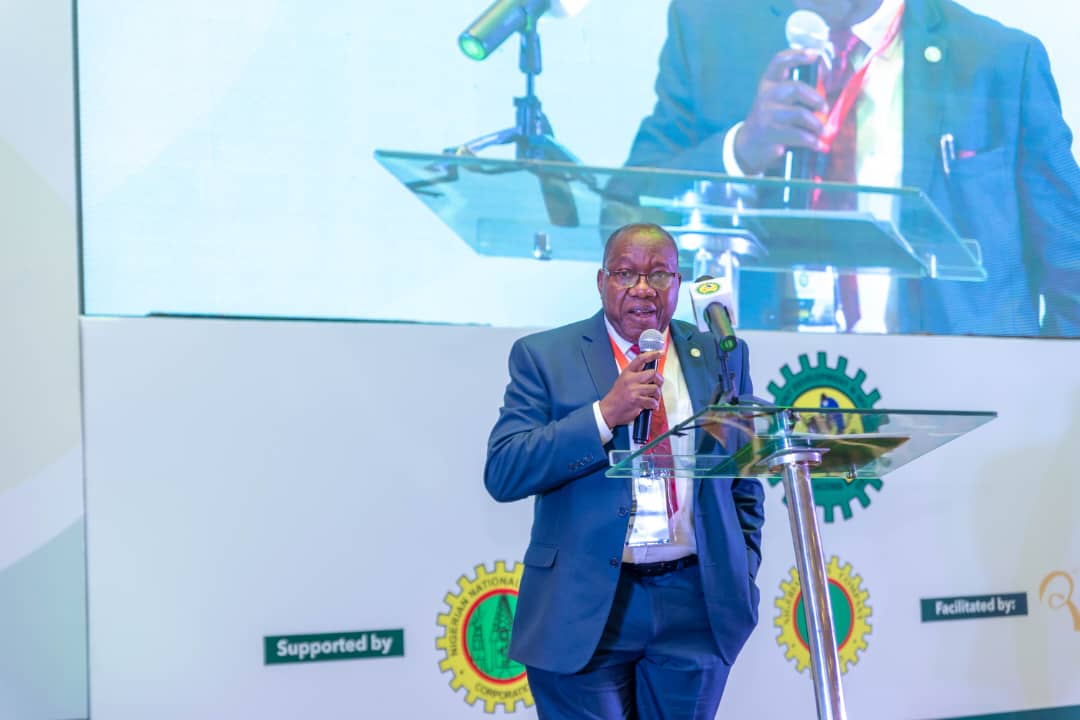 Mr Francis ogaree
Concerns over erratic pump prices — often attributed to abrupt changes in supply from major refineries like Dangote’s — have heightened tensions among petroleum marketers, who argue that such fluctuations undermine fair trade and hurt retailers who bought at previous higher rates.
Read more:BREAKING: Dangote Refinery Reduces Petrol Price Again to N825 per Litre
President of the Petroleum Products Retail Outlets Owners Association of Nigeria, Billy Gillis-Harry, reiterated calls for market transparency and a reliable pricing mechanism that can help insulate the sector from unpredictable shocks.
The Petroleum and Natural Gas Senior Staff Association of Nigeria (PENGASSAN) also recently decried the pricing model, accusing marketers of taking advantage of deregulation to impose inflated prices on consumers. The union suggested a fair market price should be pegged between N700 and N750 per litre.
Responding to these criticisms, Ogaree acknowledged the operational challenges and noted that the NMDPRA is working to streamline pricing practices and create an enabling environment for local investment in refining.
Speaking during a panel session titled “Building a Resilient and Competitive Refining Sector”, Ogaree highlighted Nigeria’s expanding refining landscape, which now includes 10 operational or nearly completed facilities. These comprise the three NNPC refineries, the 650,000 barrels-per-day Dangote refinery, and six modular refineries.
He disclosed that more refineries are in development, with projected capacities ranging from 1,000 to 200,000 barrels per day and set to come online by 2026. However, he warned that feedstock availability remains a significant concern, especially as more licensed refineries become operational.
“We’ve issued 47 licenses, many of which are at various stages of development. But the critical issue remains crude oil supply. If all these projects go live, we must be able to meet their demand,” Ogaree noted.
He emphasised the Authority’s commitment to proactive engagement, adding that the upcoming summit would offer an opportunity to establish practical solutions and reinforce regulatory confidence.