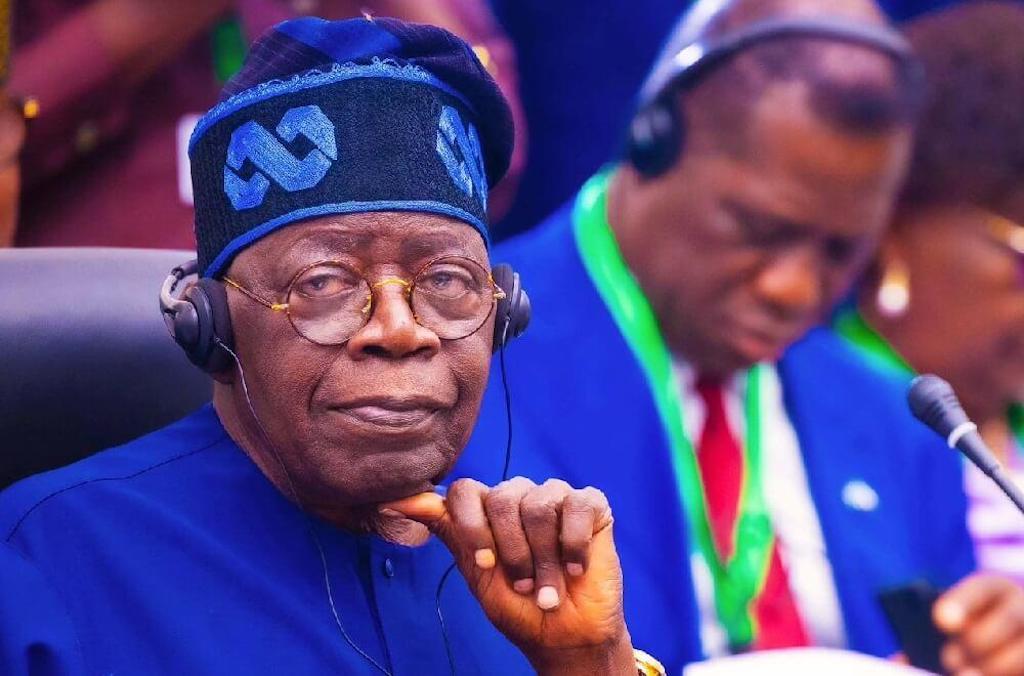
The recent news that Nigeria has paid N85 billion and $54 million as its community levy to the Economic Community of West African States (ECOWAS) marks a pivotal moment for the regional group.
This payment, marking 100% of Nigeria’s dues for the first time in 19 years, shows Nigeria’s commitment to ECOWAS and its leadership role within West Africa.
However, this success comes against significant challenges facing the group, especially with the withdrawal of key member states and the pressing need for unity among countries.
Significance of Nigeria’s Payment
Dr. Omar Touray, President of the ECOWAS Commission, emphasized that Nigeria’s full payment is a financial commitment and a demonstration of political loyalty under President Bola Ahmed Tinubu’s leadership.

This act is seen as a “vote of confidence” in ECOWAS and highlights Nigeria’s pivotal role in regional integration efforts.
The funds are key for ECOWAS’s operations, which rely heavily on member contributions to implement programs aimed at economic development, security cooperation, and regional political stability.
Challenges Facing ECOWAS
- Withdrawal of Member States: The military-led governments of Niger, Mali, and Burkina Faso have announced their intention to withdraw from ECOWAS, citing grievances related to sanctions imposed following military coups in these countries. This decision threatens to undermine regional stability and economic integration efforts, as these nations account for a significant portion of ECOWAS’s population and territory.
- Economic Integration Hurdles: The departure of these nations complicates efforts toward economic integration, especially considering existing trade agreements and shared currency initiatives like the ECO. Experts warn that their withdrawal could lead to higher tariffs and increased regulatory barriers, negatively impacting local economies that currently benefit from tariff-free trade within ECOWAS.
- Security Concerns: West Africa faces severe security challenges, including terrorism and violent extremism. The fragmentation of ECOWAS could hinder collective efforts to combat these threats effectively. Cross-border cooperation is essential for addressing security issues that transcend national borders.
- Financial Stability: Despite Nigeria’s full payment, many member states still fall behind in their contributions to the community levy, which has consistently been low—around 30% in recent years. This inconsistency undermines ECOWAS’s ability to fund essential projects and maintain operational effectiveness.
The Need for Unity
Given the current challenges, unity among ECOWAS member states is more important than ever. President Tinubu has urged regional leaders to look to Ghana’s recent peaceful elections as a model of democratic maturity. He stressed that maintaining political stability and safeguarding the well-being of citizens should be a collective responsibility.
Read also: Tinubu Reassures ECOWAS commitment to diplomacy
Efforts must focus on:
- Diplomatic Engagement: Continuous dialogue with withdrawing nations is essential to address their concerns and encourage them to remain within the bloc.
Diplomatic initiatives should aim to resolve grievances related to sanctions while reinforcing the benefits of membership.
- Strengthening Economic Ties: Enhancing economic cooperation can encourage member states to prioritise unity over disintegration.
Initiatives that promote shared economic interests can help mitigate tensions and foster collaboration.
- Collective Security Frameworks: Establishing robust mechanisms for intelligence sharing and joint military operations will be vital in combating regional threats effectively.
A united front against common adversaries can enhance security for all member states.
The bottom line is that Nigeria’s full payment to ECOWAS represents a significant step towards reinforcing its leadership role in West Africa.
It also highlights the urgent need for unity among member states in addressing ongoing challenges.
The future stability and prosperity of the region depend on collaborative efforts to overcome divisions and foster a cohesive approach to governance, security, and economic integration.