Israel and Hezbollah exchange strikes overnight
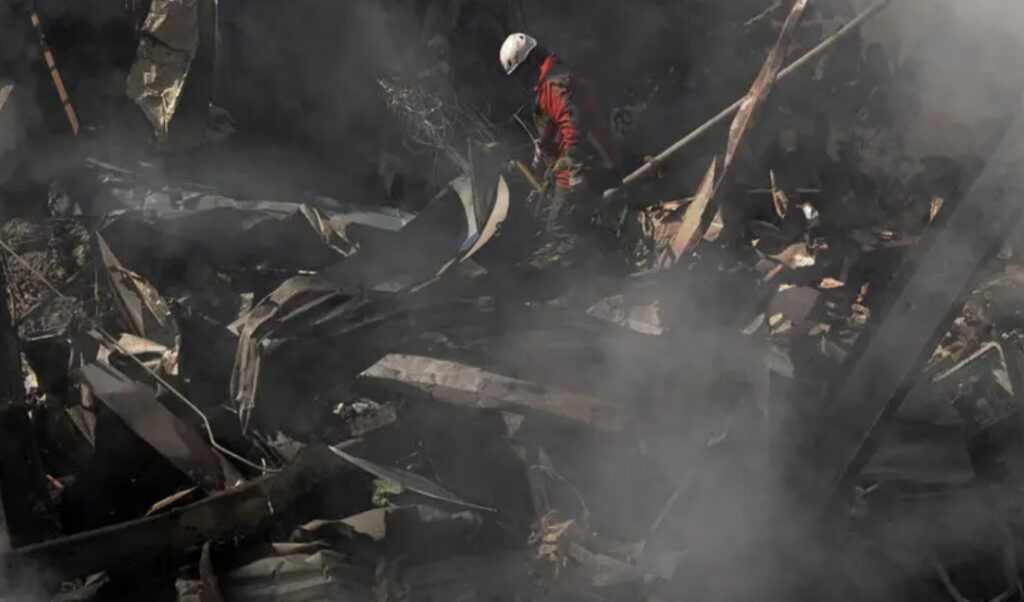
A fragile ceasefire between the United States and Iran is facing renewed strain as Israel intensifies military operations against Hezbollah targets in Lebanon, raising fresh doubts about the durability of the truce.
The Israeli military confirmed continued strikes on the Iran-backed group, signalling a widening gap between the positions of Israeli Prime Minister Benjamin Netanyahu and United States President Donald Trump, who has been pushing for a broader diplomatic resolution to the conflict.
Iran has responded cautiously. According to its foreign ministry, the country will not participate in upcoming peace talks in Pakistan unless the ceasefire arrangement is extended to include Lebanon, highlighting a key sticking point in ongoing negotiations.
Despite earlier indications that Israel might scale back operations following appeals from Washington, the Israeli leadership has maintained a firm stance. Prime Minister Benjamin Netanyahu reiterated that military actions would continue until Hezbollah is disarmed, declaring that the ceasefire does not apply to Lebanon.
The escalation has drawn concern from European leaders, who warn that continued strikes risk undermining diplomatic efforts. Calls have been made for Lebanon to be incorporated into any ceasefire framework, though such proposals face significant challenges given Hezbollah’s autonomy from the Lebanese government.
Read also: Iran and US agree to conditional two-week ceasefire
The situation has also complicated preparations for talks scheduled in Islamabad, where United States Vice President JD Vance is expected to lead negotiations. A central focus will be the reopening of the Strait of Hormuz, a critical route for global energy supplies that has remained largely disrupted despite the truce.
Iranian officials have stated that the waterway is technically open, but subject to coordination with its military due to security concerns. This has contributed to hesitation among shipping operators, with traffic yet to return to normal levels.
Meanwhile, global economic concerns are mounting. The International Monetary Fund has indicated that the conflict will negatively impact global growth, even if the ceasefire holds, citing infrastructure damage, supply disruptions and declining investor confidence.
Casualty figures across the region continue to rise, underscoring the human cost of the conflict. Reports indicate significant civilian deaths in Iran, Lebanon, Israel and parts of the Gulf, reflecting the broad and multi-front nature of the war.
While the ceasefire has provided a narrow window for diplomacy, ongoing violence in Lebanon suggests that a comprehensive resolution remains distant.