
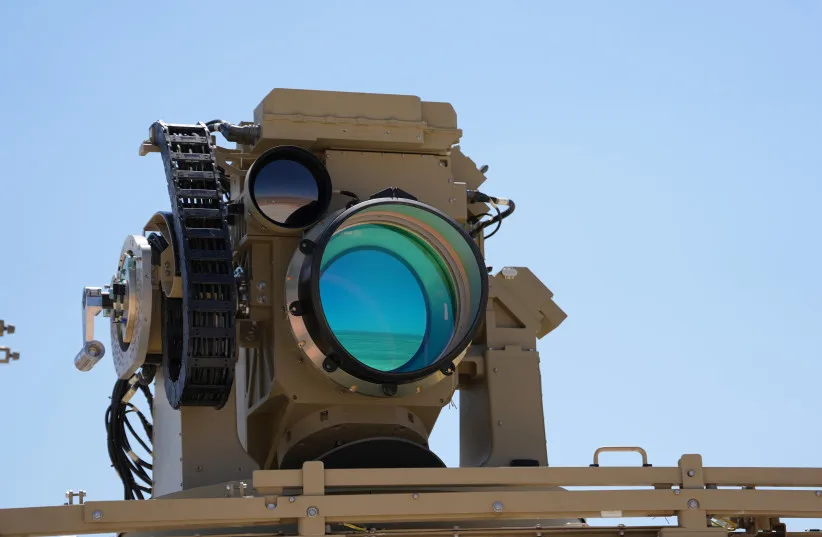
Israel will begin operational deployment of its Iron Beam laser air-defence system on 30 December 2025, marking a major technological milestone in the country’s security architecture. The Ministry of Defense confirmed that the high-energy laser has completed development, field evaluations, and wartime stress tests, clearing the way for its initial operational capability at the end of the year. The move follows a rapid acceleration of the programme after the 12-Day War earlier in 2025, when simultaneous drone swarms, rocket volleys, and cross-border UAV incursions exposed the urgent need for a sustainable short-range intercept solution. During that conflict, Israel’s Iron Dome batteries operated at maximum capacity, and several low-cost drones penetrated Israeli airspace, prompting concerns that traditional missile interceptors could be overwhelmed by mass, inexpensive unmanned attacks. Officials say the experience highlighted the need for a new defensive layer capable of responding quickly and economically to short-range threats.
The Iron Beam system, co-developed by Rafael Advanced Defense Systems and Elbit Systems, uses a high-energy laser to destroy rockets, drones, and mortar rounds at close range. Unlike missile interceptors, the system fires electrically powered beams that allow near-unlimited ammunition and far cheaper interception costs. Israeli defence officials described the capability as a strategic breakthrough designed to work alongside Iron Dome, David’s Sling, and Arrow by handling smaller threats and preserving missiles for medium- and long-range engagements. Senior defence sources say the laser has demonstrated precision and reliability in a series of tests conducted throughout 2024 and 2025, including scenarios based on threats from Hezbollah, Hamas, Iranian-linked militia, and Houthi forces in Yemen. The trials reportedly showcased improved accuracy against low-signature drones and the ability to neutralise multiple targets within seconds.
Despite the technological leap, officials acknowledge operational limitations. Laser performance can be affected by heavy rain, dust, fog, or smoke, meaning the system will not replace Israel’s existing missile interceptors. The laser’s shorter range also limits its coverage, although defence planners expect future upgrades to expand its reach and improve weather resistance. The Ministry of Defense says the first Iron Beam units will be positioned in strategic locations facing Gaza and Lebanon before being extended to critical infrastructure sites across the country. Additional research is underway on airborne versions that could intercept threats from greater distances.
The system’s impending deployment has drawn growing international interest. Gulf states have requested briefings as they confront expanding drone capabilities among Iranian-aligned groups, while the United States and India are monitoring the technology for potential collaboration. European governments facing drone incursions over conflict zones in Ukraine have also shown interest as the global arms race increasingly centres on low-cost unmanned systems and counter-drone innovation.
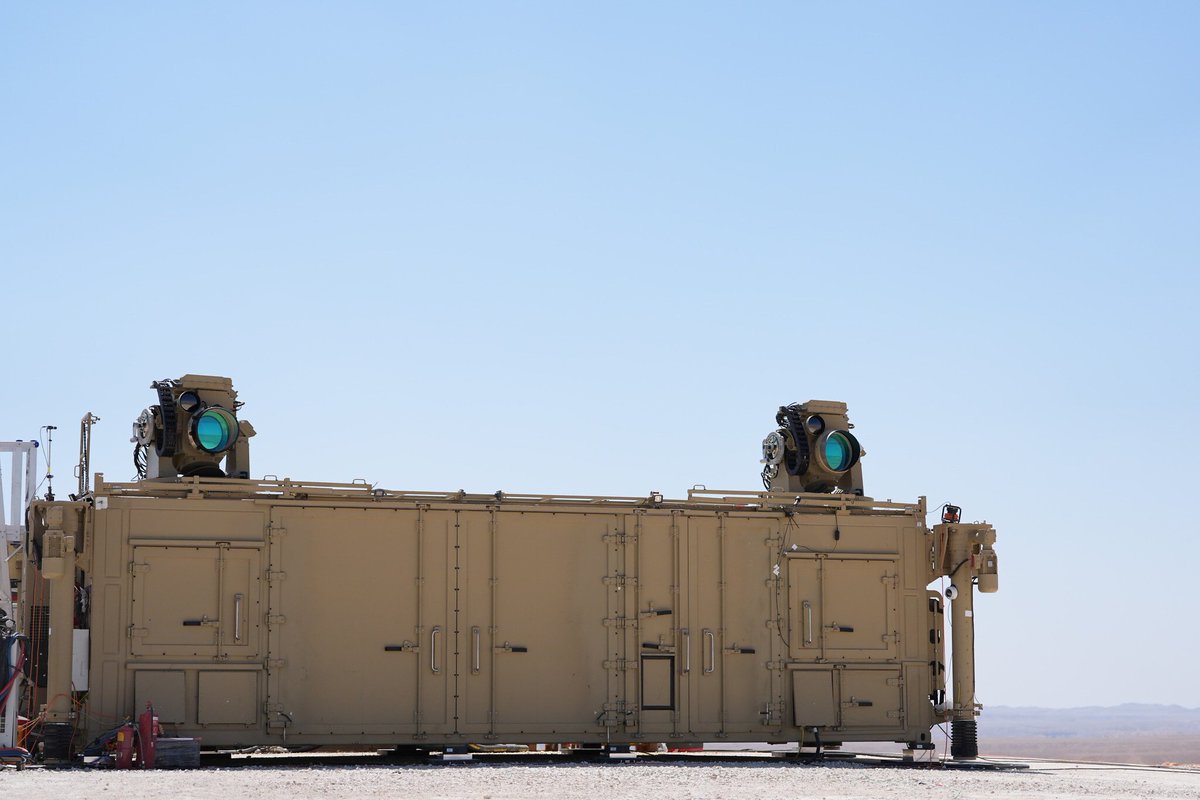
Iron Beam’s rollout comes at a time of heightened regional tension, with Hezbollah continuing near-daily drone tests along the northern border and Iran expanding production of Shahed-type UAVs used in the Middle East, the Red Sea, and beyond. Israeli officials argue that the laser will be especially valuable against explosive quadcopters, loitering munitions, and rapid-fire rocket attacks that have become central to modern asymmetric warfare. The Ministry of Defense says the system will be gradually integrated into operational units through 2026, describing the deployment as the beginning of a new phase in Israel’s air-defence evolution.
Read Also: Israeli Strikes Kill 11 in Gaza as Families Flee South
With the 30 December launch date set, Israel is poised to become the first country in the world to field an operational high-energy laser defence system. Defence officials say the capability will strengthen the country’s multi-layered shield, reduce long-term costs, and ensure readiness against the expanding drone and rocket threats shaping conflict across the region.