
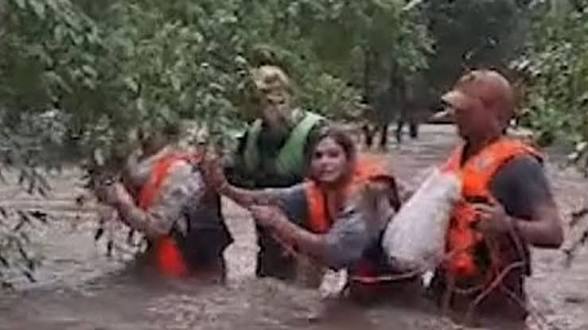
At least 42 people have died after severe Kenya floods swept through parts of the country, forcing the evacuation of tourists from the Maasai Mara National Reserve and leaving several neighbourhoods in Nairobi submerged. Authorities say the Kenya floods followed days of intense rainfall that triggered flash floods, overwhelmed drainage systems and damaged homes across affected areas.
Officials said most of the deaths occurred in the capital Nairobi where floodwaters rapidly filled streets and residential areas. Police reported that some victims drowned while others were electrocuted after power lines and electrical infrastructure were affected by the rising water.
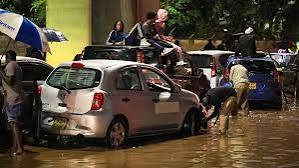
The Kenya floods began on Friday after heavy rain continued overnight across Nairobi and surrounding counties. Roads quickly became impassable as vehicles were trapped in deep water. In some areas, motorists were forced to abandon their cars and move to higher ground as the water level continued to rise.
Emergency services and rescue teams were deployed across the city as the situation worsened. Authorities launched search and rescue operations to reach residents trapped in flooded homes and vehicles. Some neighbourhoods remained inaccessible for several hours because floodwaters covered major roads.
The disaster also affected tourism in the southwest of the country. The Kenya floods forced authorities to evacuate tourists and camp workers from the Maasai Mara National Reserve, one of Africa’s best known safari destinations.
Rising water levels caused the Mara River and the Talek River to burst their banks, flooding roads and cutting off access to several safari camps. Tourism operators said some visitors had already left the reserve before the worst rain arrived, while others were moved to safer locations as a precaution.
Helicopters and rescue vehicles were used to move tourists and staff from camps that became difficult to reach because of the flooded roads. Officials said the evacuations were carried out quickly to prevent people from being stranded inside the reserve.
Heavy rainfall linked to the Kenya floods has affected several counties since late February. Meteorologists say the country has entered the annual long rains season, which usually runs from March to May and often brings flooding and landslides.
However, weather experts say the recent rainfall has been unusually intense in some areas. In parts of Nairobi, a large amount of rain fell within a short period, causing sudden flooding in low lying neighbourhoods and river valleys.
Local authorities warned that the death toll from the Kenya floods could still increase as rescue operations continue. Emergency teams are searching flooded areas and assessing the scale of damage to homes, roads and other infrastructure.
READ ALSO: Floods Kill 10, Shut Kruger Park in South Africa
Flooding during previous rainy seasons has killed hundreds of people and displaced thousands across Kenya. Communities living near rivers and drainage channels are often the most vulnerable when water levels rise quickly.
Climate experts say extreme rainfall events are becoming more frequent in East Africa, increasing the risk of disasters such as the current Kenya floods. Rapid urban growth and poor drainage systems in major cities have also made flooding more dangerous for residents.
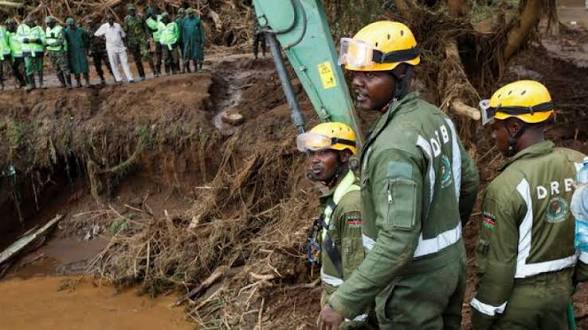
Government officials said emergency support is being provided to families affected by the Kenya floods while authorities work to restore damaged infrastructure and reopen blocked roads. Relief agencies are assisting displaced residents with food and temporary shelter.
Watch:
For many residents in Nairobi and other affected regions, the Kenya floods have once again highlighted the growing challenge of managing intense rainfall and protecting communities from future flooding. Authorities say improving drainage systems and strengthening disaster response will be critical as the rainy season continues.