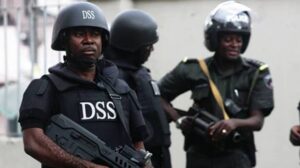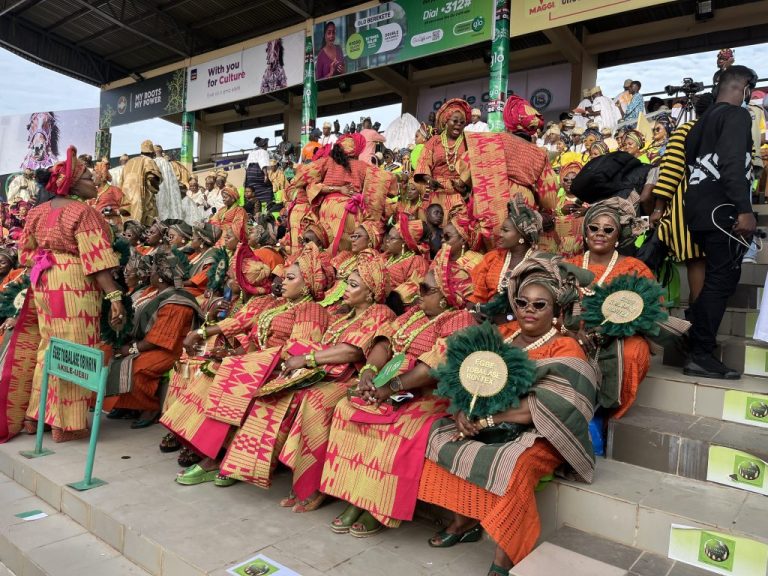
The Ojude Oba festival 2025 – a socio-cultural event in Ijebu Ode, Ogun State, has recently faced a backlash regarding some salient issues. They include: the increasing commercialization by brands and celebrities, the younger generation’s dressing deviating from the cultural norm, insecurity concerns and overcrowding.
While these criticisms might be well founded, there is great potential for these elements to elevate the Ojude Oba festival to a global stage. The key lies in contemporisation that respects traditional values.
History and Essence of the Ojude Oba Festival
The Ojude Oba Festival 2025, is a centuries-old Yoruba cultural celebration that is observed on the third day of Eid al-Kabir (Ileya). It originated as a thanksgiving by Muslim converts to the Awujale (king) for allowing them religious freedom but has since evolved into a pan-Ijebu celebration of unity, cultural identity, and allegiance. The festival holds cultural, religious, social, and military significance, and today, it attracts over a million attendees globally.

Features of the festival include:
- Parades by regberegbe (age-grade groups) in colourful attires, and presenting gifts to the Awujale. Their outfits are typically crafted from locally sourced fabrics like lace or aso-oke, complemented by matching headgears, beads, ọ̀pás (ornamented staffs) and shoes.
- Tributes to the Awujale
- Musical performances
- Traditional fashion displays
- Mock war performances by the Baloguns and Eleshins.
Read also: Sanwo-Olu Unveils Africa’s First AI Feature Film, Makemation
Odeda to Ojude Oba
The Ojude Oba festival is a successor to the Odeda festival. While Odeda was primarily a celebration of traditional deities, Ojude Oba, while retaining its cultural roots, has broadened its scope to encompass the Muslims and everyone in Ijebuland. It has become a symbol of unity and cultural identity for all Ijebu people regardless of their religious affiliations. This evolution reflects the adaptability of Yoruba traditions to modern socio-political contexts while maintaining ancestral customs.
From Ijebuland to Global Attraction
While the festival already attracts international visitors, several strategies can cause it to attract major global tourism:
- Securing a UNESCO Cultural Heritage recognition to enhance its prestige.
- Inviting representatives from other festivals worldwide to participate, facilitating a cultural exchange that for
- Providing translations and history storytelling for international tourists.
- Providing a space for researchers to attend and document the festival.
- Stream the festival live on digital platforms to reach global audiences, and experience the event in real-time.
- Improve Infrastructure to a bigger arena with more security and medical facilities.
- Create rules of participation for all participants, from spectators, to parades and fireworks.
Creating Sustainable Commercialisation
The festival can be commercialised, if managed properly, without sacrificing its cultural core.
- Dressing and Fashion: The festival is already a “Nigeria’s biggest cultural fashion runway”. Regberegbe competition can be expanded into a cultural fashion week, with emphasis on aso-oke, lace, and indigenous materials to ensure local production.
- Merchandising: Create dedicated spaces for local artisans to exhibit and sell their crafts, will provide economic advantages to the artisans.
- Food & Gastronomy: Culinary contests, organized food tours and cooking demonstrations should spotlight indigenous recipes.
- The Equestrian Spectacle: The parade of the Baloguns and Eleshins (descendants of war heroes) is the festival’s most breath-taking event. Their equestrian skills, mock battles, and the elaborately decorated horses, should have a space on its own for display.
- Art and Performance Showcases: Organize ticketed art exhibitions, traditional music concerts, or theatrical performances that showcase Ijebu culture. This diversifies revenue streams and offers more in-depth cultural experiences.
- Corporate Sponsorships: The key is to ensure these partnerships enhance, rather than erode, the cultural experience.
- Ticketing and Premium Experiences: Offering premium viewing experiences, VIP access, or exclusive cultural packages can generate revenue while managing crowd density.
The Celebrity Effect
People relate more with celebrities they follow and are more likely to visit places they have endorsed. This will generate more traffic to the festival. Celebrities’ involvement can be leveraged by:
- Collaborating with celebrities and brands that align with the festival’s values and cultural significance. This involves selection of long-term partners who respect and promote the festival’s heritage.
- Ensure involvement in cultural workshops, interacting with local artisans, or learning about the traditions first-hand, instead of superficial appearances.
- Provide comprehensive cultural briefings to participating celebrities, educating them on the history, significance, and etiquette of the Ojude Oba festival.
- Ensure celebrities dress with traditional fabrics, without losing cultural etiquettes and traditional style in the fashion display.
- Encourage storytelling of the cultural significance of the festival on their digital platforms to engage a wider audience.
Tourism Development in Nigeria
The Ojude Oba festival 2025 has shown how investing and promoting Nigeria’s event can affect Nigeria’s tourism. However, Nigeria has more potential in the tourism industry and can expand its revenue from it. We can explore:
- Cultural & Heritage Tourism (festivals, historical sites, and traditional arts).
- Eco & Natural Tourism (waterfalls, savannahs, rainforests, wildlife reserves)
- Religious Tourism (pilgrimages, sacred sites, and the largest Christian auditoriums)
- Food Tourism (national food/drinks tours and cooking classes)
- Adventure Tourism (hiking, bird watching, safaris, mountain climbing, canopy walk)
- Sports Tourism (sports academies, sport tournaments, beach sports)
- Beach & Coastal Tourism (beaches, coastal resorts, seaports)
- Business & MICE (Meetings, Incentives, Conferences, and Exhibitions) Tourism (conferences business hubs, trade fairs)
- Entertainment Tourism (movies, comedy shows, fashion week, and mega-concerts)
- Rural & Agro-Tourism (farming communities, pottery, clothe & mat weaving villages, food pyramids, conservation centres)
- Shopping Tourism (open markets, crafts markets, malls)
See also: FG to Establish Cultural Villages to Boost Tourism
Proven Strategies to Revolutionise Nigeria’s Tourism Economy
Nigeria’s tourism economy currently performs poorly, earning only 18% of West Africa’s international tourist receipts in 2022 (World Bank data). To improve Nigeria’s tourism economy, a multi-dimensional strategy is required, encompassing policy changes, infrastructure development, human capital development, marketing, and community engagement. Nigeria needs to:
1. Policy, Governance, and Security:
Clarify Governance Policy Framework: The constitution gives the federal government power to regulate “tourist traffic” (immigration), as decided by the Supreme Court in A.G Federation v. A.G. Lagos State (2013) LPELR-20974(SC) P.93. This empowers states to regulate tourism enterprises within their borders. Moreover, a Joint Advisory Board, with federal, state and local government representation, should be created to establish minimum operational standards, understand grassroots issues in creating policies.
Address Security Concerns: Nigeria’s association with terrorism and kidnapping severely harms its tourism prospects. There should be strict security measures to ensure the safety of tourists. This includes dedicated tourist police/military units, emergency response systems, and public awareness campaigns.
Streamline Visa Processes: Despite the fact that the Nigeria Immigration Service has rolled out more accommodating visa policies, there are still complaints of the complexity and delays in getting visas. There should be a more lenient visa regime to encourage tourists into the country.
2. Infrastructure and Investment:
Partner with Private Sector: Private sector should be allowed to develop and maintain infrastructure like large stadiums and conference centres to accommodate large events. This will generate funds from the Big 3 concerts.
Transportation Networks: Invest in upgrading and expanding transportation infrastructure, including airports, seaports and railways, to improve accessibility to tourist destinations.
Utilities and Amenities: Provide essential utilities such as electricity, emergency services, water, waste management systems and internet connectivity in tourist areas.
Establish Event-Bidding Institutions: Take a lead from Malaysia’s model, by creating a centralised body to identify, bid for, and win major international events, from conferences to fashion, sports and music festivals.
3. Strategic Marketing and Product Development:
Run Targeted International Campaigns: Launch a fierce international public relations campaign to rebrand Nigeria, focusing on its vibrant culture, hospitality, and natural attractions. Campaigns should run on global media platforms, to tourism-generating countries.
Tour/Transport Partnerships: Forge partnerships with international tour operators, airlines, and travel agencies to promote Nigeria as a preferred tourist destination. Provide incentives to airlines for routes into Nigeria. Create travel packages that include the festivals and niche tourism as a key attraction, reducing costs of transportation, promoting local accommodations and experiences.
Utilise Influencers and Film: Partner with influencers, and people from various walks of life and age groups, that can tell stories of Nigeria’s tourists’ attraction from their perspective. This authentically promotes the country to different audiences. Nollywood films should continually showcase the beauty of Nigerian landmarks and destinations.
Diversify the Tourist Offer by promoting Niche Tourism: Develop a year-round calendar of events and promote activities niche tourism products such as eco-tourism, rural tourism, adventure tourism, and business tourism to cater to diverse interests. Campaigns should market unique experiential travel packages, for more visitors.
Traveltech: Adopt technologies like AI-powered translation and recommendation apps (used in China and Thailand) and AR/VR tours of historical sites (used in Spain and France) for cultural storytelling, and an immersive experience.
4. Human Resource Development
Human Development: Invest in training programs for tourism professionals (tour guides, hotel staff, hospitality workers) to improve service quality.
Language and Cross-Cultural Training: Provide language and cross-cultural training for tourism professionals to enhance their ability to interact with international visitors.
Community Empowerment: Involve local communities in tourism development initiatives, providing them with training and opportunities to benefit from tourism through entrepreneurship and innovation.
Conclusion
By focusing on these strategies, Nigeria can increase its GDP and HDI through tourism while preserving its cultural heritage. We simply need to balance heritage with innovation, commerce with culture, and local pride with global relevance.
Read also: Navigating Nigeria Debt Challenge: How Nigerians Can Make Smarter Financial Choices