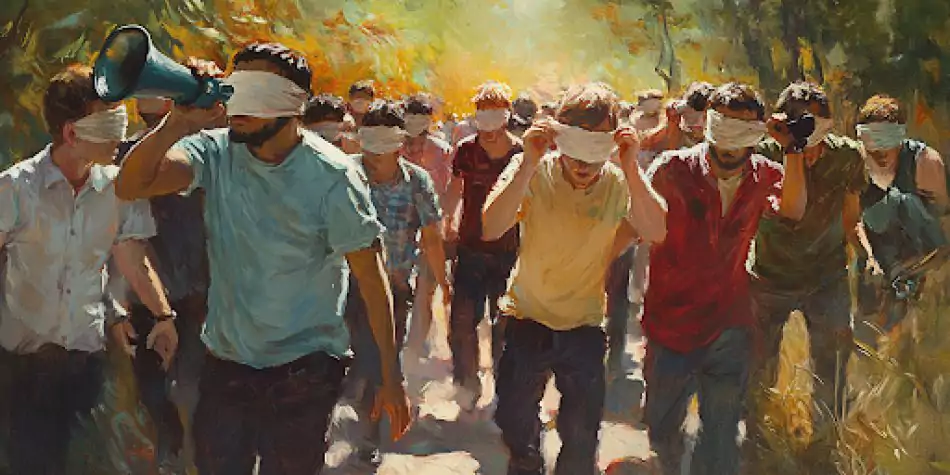
Loud and Wrong: The Art of Confident Misinformation
Nowadays, confidence often trumps correctness. In conversations, on social media, in politics, and even in casual banter, something unsettling has taken root: people are increasingly saying and doing the wrong thing so boldly, with unshakable conviction.
It’s not just that people are mistaken. We all are, at times. It’s that people are being mistaken loudly, publicly, and confidently and often without consequence.
Nowadays, volume often gets more attention than truth. The question we must ask is, when did being right become less important than sounding sure?
The Age of Certainty Without Substance

There was a time when people were comfortable admitting they didn’t know something. If a topic came up that they didn’t fully understand, they’d ask questions, listen more, and wait to speak. They respected those who had studied, who had experience, and who could explain things with understanding.
But today, things have changed.
Now, many people speak with full confidence on topics they barely know. It’s become more common to act like an expert than to actually be one.
Instead of saying, “I’m not sure” or “Let me find out,” we rush to have the fastest opinion, the strongest reaction, the boldest take. And in the process, we’re losing the value of patience, listening, and learning.
On social media, it’s common to find someone who has never studied virology arguing confidently with medical professionals. Or someone who barely passed history class making sweeping political statements, claiming moral authority based on half-read headlines.
The issue isn’t disagreement; it’s the posture of arrogance toward subjects that deserve care, context, and caution.
The tragedy is that this overconfidence often disguises intellectual laziness. People regurgitate catchy, oversimplified opinions without ever asking themselves: Is this even true? Do I really know what I’m talking about?
In this present age, the loudest voice often wins, not the wisest one.
Read also: Social Media Is Becoming Less Social and More Media
When Ignorance Finds a Microphone
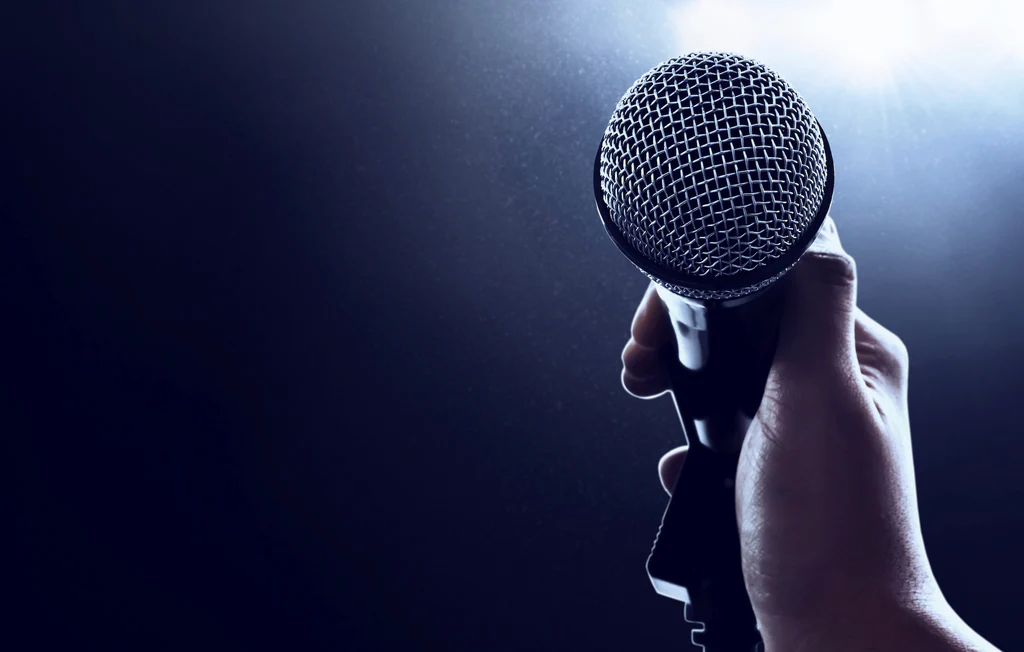
Once upon a time, being misinformed might only affect those around you. But now, a single post, podcast, or video can reach millions in minutes. The internet has democratized access to platforms, but it has also amplified ignorance.
Anyone with a following, no matter how ill-informed, is often seen as an authority. And when their words are packaged in confidence, they’re often repeated, shared, and believed.
We’ve seen this play out dangerously: false health remedies spreading online faster than fact-checked science, conspiracy theories gaining cult-like followings, and baseless accusations destroying reputations in real-time.
In this ecosystem, the humble voice is often drowned out. Those who speak with careful reasoning or wait to verify facts before commenting are labeled “slow,” “cowardly,” or “indecisive.”
The tragedy is not only that misinformation spreads, it’s that it becomes identity. People begin to associate their self-worth with being “right,” even when they aren’t, and begin to resist correction at all costs.
The digital microphone doesn’t discriminate between wisdom and nonsense. But as a society, we must learn to.
Why Confidence Is So Convincing

Human psychology plays a major role here. Research has long shown that people are more likely to follow someone who sounds certain; even over someone who is actually more accurate but appears hesitant.
So when someone says something with passion, people assume it must be based on truth because why else would they say it so strongly? But passion, when detached from knowledge, becomes performance.
This is why online charlatans thrive. Their secret is not research; it’s rhythm. They speak in quotable soundbites, using tone and timing to simulate authority. They may know very little, but they know how to sound like they know a lot.
And we fall for it. Over and over again.
We need to remember: confidence is not a virtue if it isn’t rooted in honesty. Charisma without character is a dangerous thing.
The Disappearance of Accountability
Perhaps the most concerning part of this new culture is the refusal to be corrected.
Time and again, we witness public figures make blatantly false claims, and when shown proof, they sidestep, reframe, or simply deny. The internet rarely hears “I was wrong” anymore. And when it does, the apology is often half-hearted, buried in excuses, or deleted later.
In our desire to always be “on the right side,” we have turned being wrong into something shameful, rather than something natural and human. We’ve forgotten that being corrected is not a weakness but an invitation to grow.
So what do people do? They dig in their heels. They argue louder. They lash out. Not because they are more convinced of their stance, but because their ego cannot survive the bruise of correction.
We have to begin normalizing humility again. Admitting fault should not be scandalous. It should be respected.
Can We Bring Back the Quiet Strength of Humility?
The way forward isn’t through shame or silencing. It’s through reintroducing humility into our social and cultural spaces.
Humility doesn’t mean being weak or unsure; it means being grounded. It means recognizing that we are all in the process of becoming and that knowing everything is neither possible nor necessary.
Imagine what would change if we celebrated people for changing their minds. If we valued those who asked honest questions instead of rewarding those who bark confident answers.
Imagine if we taught children not to be just the loudest in the room but also to be the most thoughtful.
To say “I don’t know” requires strength. To say “I was wrong” requires maturity. And to sit in silence while others shout requires courage.
Yet, these are the qualities we need now more than ever.
Let’s stop pretending that being wrong is the worst thing that can happen. It’s not. The worst thing is to be wrong and remain so simply because pride got in the way.
Because in the end, history has always favored those who were willing to be right quietly, even when most people around them were loud and wrong.