Chidinma Kalu
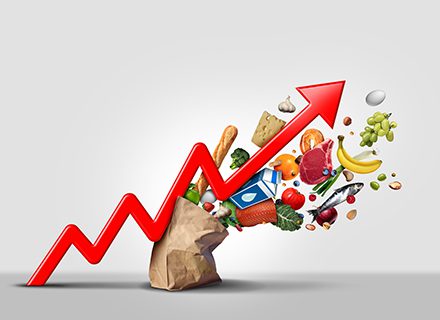
The Yoruba proverb says, “Lala to losoke, ile lo n bo”— whatever rises must eventually come down. Even Isaac Newton’s law of gravity agrees that “What goes up must come down.” Yet, Nigeria’s economy seems to defy these universal truths. Here, inflation rises, and rather than finding stability or decline, prices only climb higher.
In a recent mini-market survey, I encountered stark realities that many Nigerians face daily. A trader admitted, “Things get expensive every week.” Another woman, visibly frustrated, interjected, “It’s every day!” If sellers—who typically benefit from inflation in the short term—express such concerns, one can only imagine the plight of the buyers, the final consumers.
The situation is dire. A student who once managed 10,000 naira for two weeks of food now struggles to stretch that amount over five days. Essentials like rice, bread, and cooking oil are no longer within reach for many households. As prices skyrocket, wages remain stagnant, forcing families to make impossible choices between food, school fees, or healthcare. Hyperinflation isn’t just numbers on an economist’s chart—it’s the empty shopping baskets at the market, the growing queues at ATMs, and the despair in a mother’s eyes as she calculates what meal she can afford for her children.
What went wrong? Analysts point to the weakening naira, excessive borrowing, and the removal of fuel subsidies without a proper safety net. But beyond the economic jargon lies the human cost—small businesses closing shop, workers losing jobs, and dreams deferred indefinitely.
As much as 70 percent of these issues lie with the government, the remaining 30 percent falls on us, the citizens—and this is equally disheartening. During a casual conversation with a seller, I was shocked to hear the price of her goods. When I expressed my surprise, her response was, “It’s festive period nah, things are getting expensive.” Haba! Must we pour salt on each other’s wounds? Why must prices automatically spike simply because demand increases? This culture of opportunistic price hikes only exacerbates the suffering of ordinary Nigerians and deepens the crisis.
The pressing question is, how do we reverse this trend? Nigerians are resilient, but resilience isn’t a sustainable economic strategy. Government policies must shift from austerity measures to proactive solutions such as strengthening local production, stabilizing the currency, and addressing corruption in the supply chain. Until then, the reality remains grim.
The average Nigerian continues to navigate an economic storm, praying that someday, the laws of gravity will apply—not just to the prices that rise but also to the hopes that have fallen.