
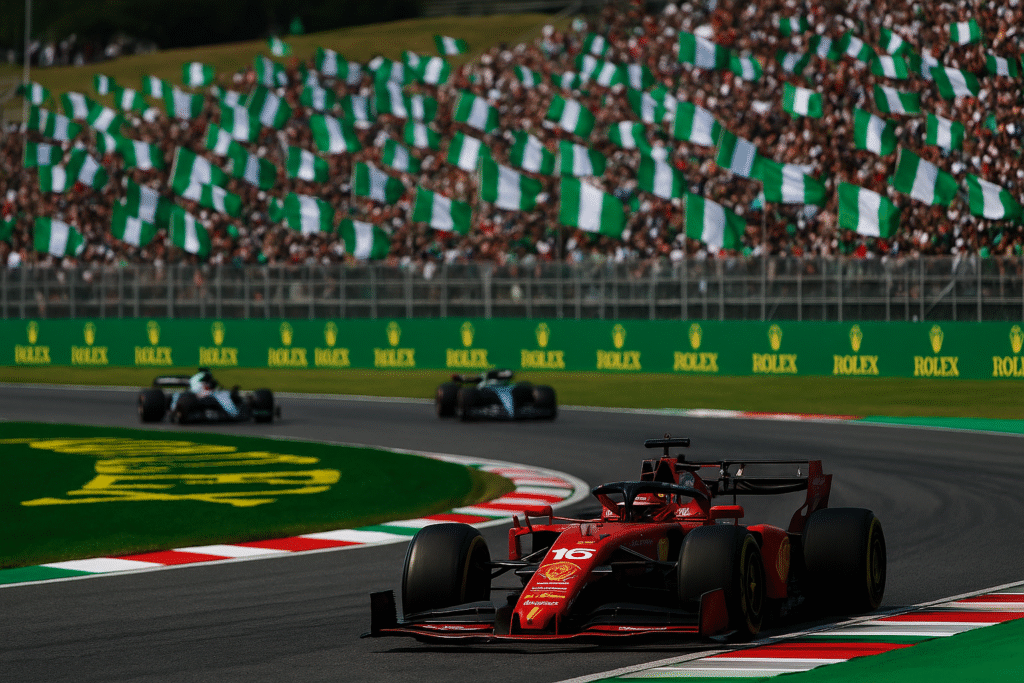
Abuja, Nigeria – In a bold move that could reshape Africa’s presence on the global motorsport map, Nigeria has officially submitted a bid to host a Formula 1 Grand Prix in Abuja by 2028. This would be the first F1 race held on the African continent since 1993.
The bid was announced on Tuesday, July 23, by the National Sports Commission (NSC), which is spearheading the initiative in partnership with Opus Motorsport Promotions, led by former Premier League footballer Marvin Sordell.
“This is about much more than racing,” said Shehu Dikko, Chairman of the NSC. “It’s about putting Nigeria on the global sporting calendar, driving infrastructure, youth engagement, and economic opportunity.”
- Africa’s Return to the F1 Calendar
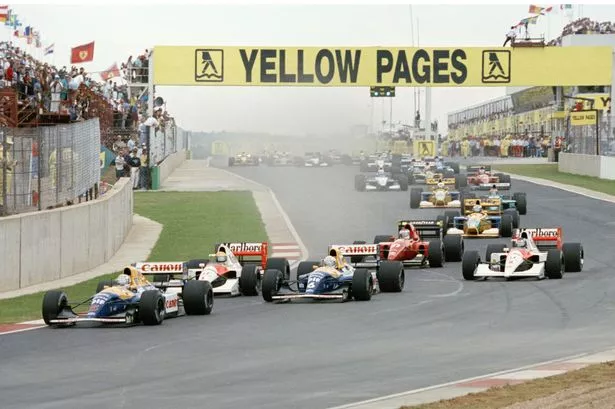
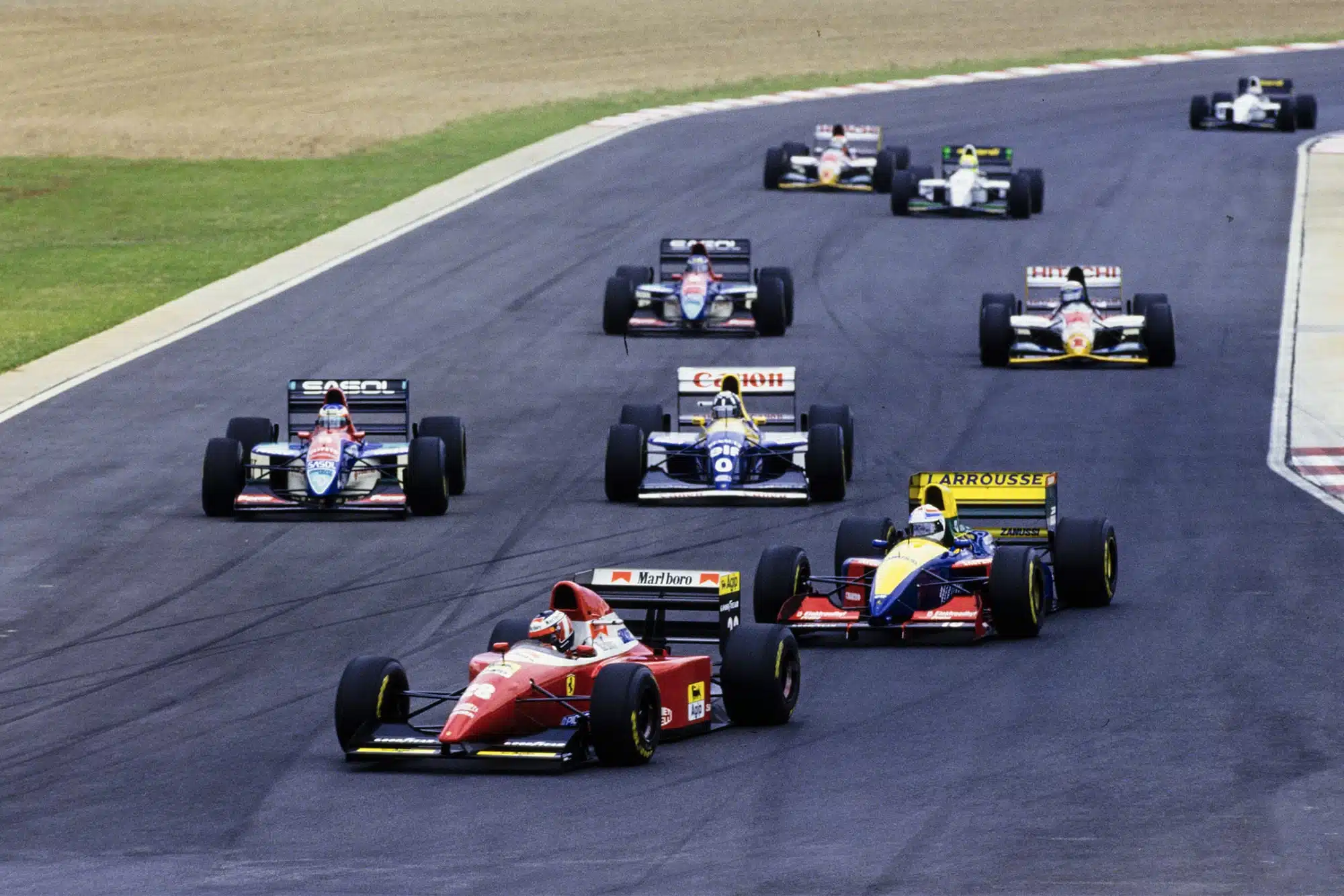
Africa has not hosted a Formula 1 race since South Africa’s last Grand Prix at Kyalami in 1993. Nigeria now joins a competitive field of African nations including South Africa, Rwanda, and Morocco all seeking to bring the sport back to the continent.
The NSC has extended formal invitations to F1 CEO Stefano Domenicali, seven-time world champion Lewis Hamilton, and Tilke Engineers & Architects, a German firm known for designing several F1 circuits globally.
- Abuja Identified as Host City
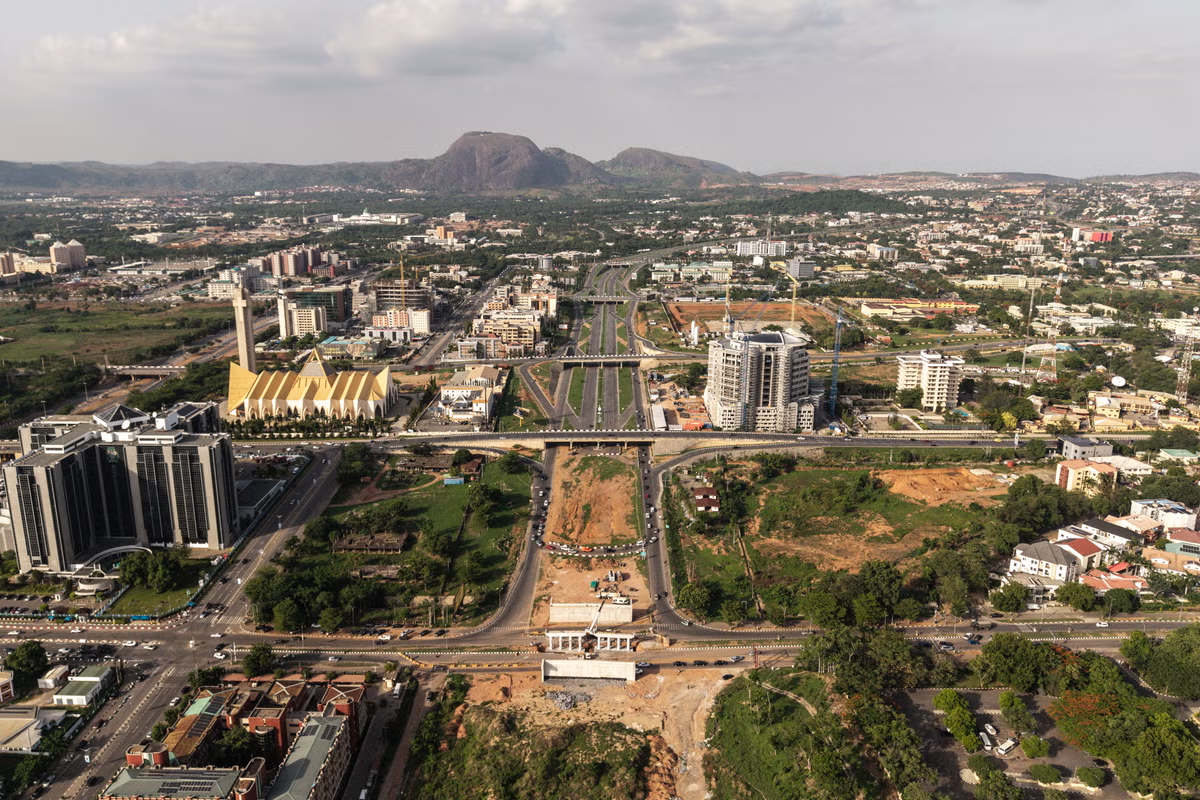
Abuja, Nigeria’s purpose-built capital, is at the heart of the bid. If successful, the city will become the first in West Africa—and only the second in African history to host a Formula 1 Grand Prix.
The proposed plan includes a full-scale motorsport development hub featuring:
- A state-of-the-art F1 race track
- FIA-approved karting circuit
- Motorsport museum and media centre
- Hotels, transport terminals, and youth training academies
The aim, according to Dikko, is to “build a motorsport culture from the ground up,” starting with grassroots training and local capacity-building.
- Strategic Timing and Government Support
Nigeria is targeting the 2028 Formula 1 calendar, a strategic window when current host contracts like Belgium or the Netherlands may expire or rotate out.
This bid is closely aligned with President Bola Tinubu’s Renewed Hope Agenda, especially the Renewed Hope Initiative for Nigeria’s Sports Economy (RHINSE), which positions sport as a tool for economic diversification and international engagement.
“This F1 bid reflects our belief in Nigeria’s capacity to host world-class events,” said Ismaila Abubakar, Secretary of the NSC, during the official unveiling.”
- A Former Footballer at the Helm
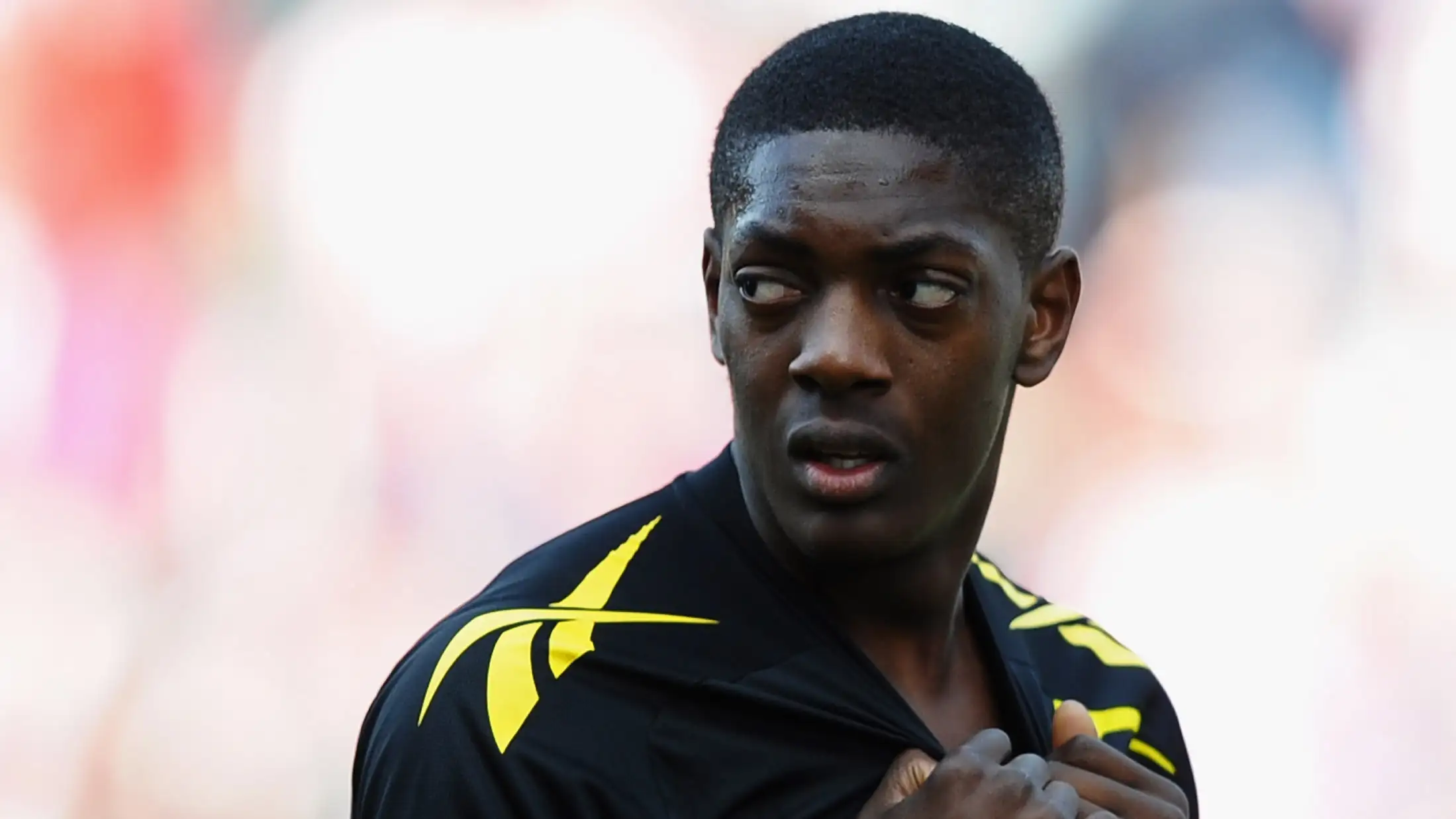
Marvin Sordell, a former England U21 and Premier League footballer, is the lead strategist at Opus Motorsport, the private partner driving the campaign. Sordell, who has Nigerian heritage, said the project is deeply personal.
“We’re not just proposing a race. We’re proposing a legacy,” Sordell said in an interview with The Times UK. “This is about using sport to unlock opportunity, creativity, and confidence for young Africans.”
His involvement has drawn global attention to the bid, particularly within F1 circles where diversity and continental representation have become critical talking points.
Read more: Boxing Icon Anthony Joshua Appointed as Ogun State Sports Ambassador
- Challenges and Social Reactions
Despite the optimism, the announcement has sparked mixed reactions on social media and in local communities. Concerns have been raised about Nigeria’s existing road infrastructure, security challenges, and the cost of hosting such a major event.
A viral post on X (formerly Twitter) read:
“F1 in Abuja? On which roads exactly?”
This skepticism underscores a larger issue: the gap between national ambition and practical realities. Hosting an F1 race requires massive investment, estimated to exceed $300 million, not just in building a circuit but in meeting FIA Grade 1 safety and operations standards.
- Africa’s Competitive Landscape
Nigeria’s bid comes amid growing interest from other African nations. South Africa has long lobbied for a return to the F1 calendar, with Kyalami touted as a preferred venue. Rwanda has recently confirmed its intent to host a race in Kigali, promising sustainable and smart infrastructure.
However, Nigeria’s demographic scale, economic potential, and regional influence could give it a strategic edge—if infrastructure hurdles can be overcome and government support remains firm.
- Global Endorsements and Market Appeal
Lewis Hamilton, the only Black driver in F1 history, has repeatedly voiced his support for a return to Africa. In 2022, he visited South Africa and urged F1 leadership to make Africa part of the future race calendar.
F1 currently hosts 24 races worldwide but has no African representation—an imbalance many in the sport now want to correct.
As one motorsport analyst put it:
“Africa is the missing piece in F1’s global expansion. Nigeria brings the numbers, the energy, and the youth.”
- What It Means for Nigeria
The potential impact of hosting an F1 race in Nigeria extends beyond tourism and branding. It could:
- Create thousands of direct and indirect jobs
- Accelerate transport and urban development in Abuja
- Position Nigeria as a regional sports and innovation hub
- Inspire new generations of African drivers, engineers, and entrepreneurs
But all this depends on transparent planning, public buy-in, and strategic execution—areas where previous mega-projects in the country have sometimes faltered.