Nigeria’s Limited Resources and Unlimited Potential
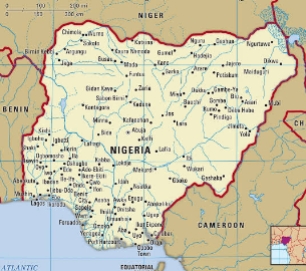
Nigeria, the giant of Africa, is indeed a giant. Our motherland is rich in everything, namely culture, history, languages, natural resources, and a large population, along with many other things. Despite being a bountiful land, there has been an imbalance in the distribution of its resources to its populace. This has caused her resources to be limited, eventually leading to scarcity, but the main question is: does she still have the potential?
The answer begins with how Nigeria handles what it already has. The country is not truly lacking in resources; rather, it struggles with the management of them. Crude oil, which remains one of her greatest sources of wealth, has not translated into equal national development, as issues such as corruption, inefficiency, and overdependence on importation continue to weaken local capacity. Even with refineries and solid mineral deposits spread across different regions, many of these assets remain underutilised. This shows that the challenge is not absence, but poor utilisation of abundance, meaning the potential is still very much present but not fully harnessed.
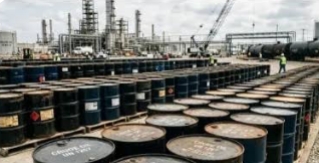
A useful comparison can be made with the United States, a country that also possesses vast natural resources, including crude oil and solid minerals. Unlike Nigeria, the United States has been able to translate these resources into widespread economic growth and industrial development through effective management, strong institutions, and continuous investment in technology and infrastructure. Its oil sector, for instance, supports domestic industries, reduces dependence on imports, and contributes significantly to national revenue in a way that reflects structured planning and accountability. This contrast highlights that the issue is not simply about the availability of resources, but about how they are managed and utilised for national development.
Read more: Depot Price Hikes Driven by Rising Crude Oil Costs Signal Potential Increase in Fuel Prices
Beyond natural resources, Nigeria’s human population also answers the question of potential. With one of the largest youth populations in the world, the country holds an immense workforce and creative energy. However, unemployment, underfunded education systems, and mass migration of skilled youths have limited how far this advantage can go. Many young Nigerians are forced to seek opportunities abroad, a trend often referred to as “Japa,” leaving behind a gap in innovation and productivity. Yet, this same population continues to show that when given even minimal opportunity, it can produce excellence, proving that the potential of the nation lies strongly in its people.
As the saying goes, “The greatest asset of a nation is its people.”
Read more: Minnesota and Illinois Sue Trump Administration Over Aggressive Immigration Tactics
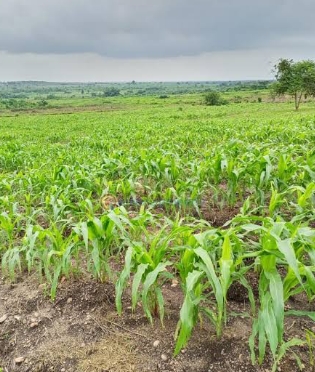
Nigeria has vast agricultural potential that remains largely underutilised despite its rich arable land. The country possesses millions of hectares of fertile land suitable for crops such as rice, cassava, maize, cocoa, and palm produce, yet it still imports a significant amount of food products to meet domestic demand.This shows a gap between natural endowment and actual production, as issues such as outdated farming methods, inadequate mechanisation, poor storage facilities, and limited government support continue to hinder full agricultural productivity. As a result, the sector has not reached its capacity to ensure food security and economic diversification.Therefore, Nigeria’s agricultural sector reflects a clear example of untapped potential, reinforcing the idea that the nation’s limitations lie not in resources, but in utilisation.
In conclusion, proper implementation and management of the country’s resources can unlock its full potential and even make it capable of competing with global powers.