Godsent Ogbebor
Reps Vote Opens New Chapter in Nigeria’s Fight Against Insecurity
Nigeria’s decades-long debate over policing took a significant turn on Thursday as the House of Representatives approved the State Police Bill, a move that could fundamentally reshape how security is managed across the country.
The decision came amid growing public frustration over persistent killings, kidnappings, bandit attacks and other violent crimes that have continued to stretch the capacity of the nation’s centralised policing system.
By voting overwhelmingly in favour of state police, lawmakers signalled a willingness to embrace a model many believe could bring security responses closer to affected communities
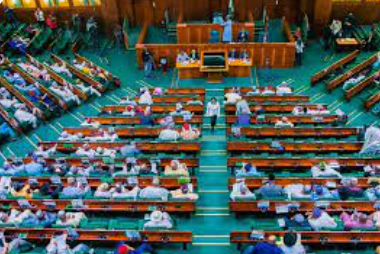
A total of 289 lawmakers supported the proposal, while only one voted against it during plenary presided over by Speaker Tajudeen Abbas. The Speaker did not cast a vote.
For years, advocates of state policing have argued that Nigeria’s security challenges have outgrown the capacity of a centrally controlled police structure. They maintain that governors and local authorities are often left with limited powers to respond swiftly to emerging threats despite being held accountable by residents whenever security deteriorates.
The passage of the bill reflects increasing concerns about the scale and frequency of violent attacks across several parts of the country. Communities in the North-West continue to grapple with banditry, while kidnappings for ransom have expanded into regions previously considered relatively safe.
Read also: Nigeria Will Defeat Insecurity — Defence Minister
In the North-Central, recurring attacks on rural communities have resulted in significant loss of lives and displacement, while parts of the South continue to confront organised criminal activities.

Supporters of the legislation believe state police could improve intelligence gathering, strengthen community engagement and enhance rapid response capabilities. They argue that officers recruited from local communities are more likely to understand the terrain, language, culture and security dynamics of the areas they serve.
However, the proposal has also generated concerns among critics who fear state police could be abused by political actors or deployed against opposition voices. These concerns have remained central to discussions surrounding the decentralisation of policing powers since the idea first gained prominence in national conversations.
Thursday’s session was not without controversy, as some lawmakers raised objections over the timing of the vote, arguing that members had insufficient time to study the final document presented by the Constitution Review Committee. Despite the concerns, the House proceeded with consideration and voting on the bill.
The overwhelming support recorded during the exercise nevertheless highlights a growing consensus among federal lawmakers that Nigeria’s security architecture requires significant reforms. It also reflects the mounting pressure on policymakers to find lasting solutions to the country’s worsening security challenges.
While the bill still faces additional constitutional processes before becoming law, its passage by the House represents one of the most significant security reform milestones in recent years. If eventually adopted, state police could alter the balance of security responsibilities between the federal and state governments and potentially redefine how law enforcement operates across Nigeria.