Godsent Ogbebor
Seven Countries Join Trump’s Board of Peace
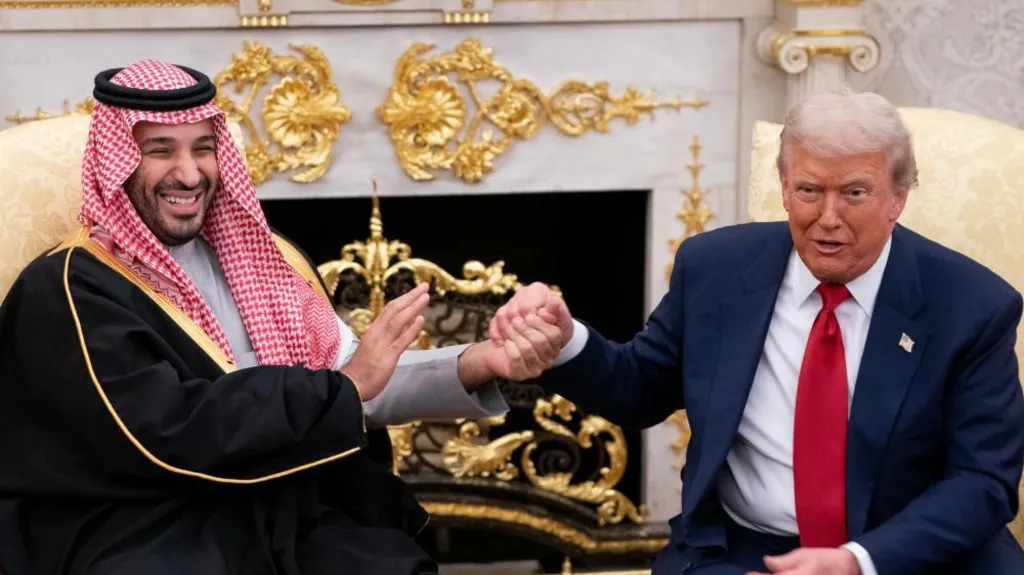
Seven countries, including Saudi Arabia, Turkey, and Egypt, have officially joined US President Donald Trump’s “Board of Peace,” according to a joint statement released by the White House. These nations will be part of the new international body designed to resolve global conflicts and promote peace, following Israel’s earlier confirmation of its participation.
Trump expressed his satisfaction with the growing list of supporters at the World Economic Forum in Switzerland, announcing that Russian President Vladimir Putin had also accepted an invitation. However, Putin later clarified that Russia is still considering its position on the matter. Trump’s ambitious proposal for the Board of Peace has been met with mixed reactions from world leaders, particularly in Europe, with concerns about its potential to supplant the functions of the United Nations.
The new international body, which Trump leads as chairman, is designed to address ongoing conflicts, particularly the situation in Gaza. The charter of the Board does not mention the Palestinian territories, drawing criticism from some quarters about its perceived bias. Saudi Arabia and the other six countries, Turkey, Egypt, Jordan, Indonesia, Pakistan, and Qatar have expressed their commitment to consolidating a permanent ceasefire in Gaza, supporting reconstruction efforts, and promoting what they describe as a “just and lasting peace.”
Read also: Trump Revokes Canada’s Invitation to Join ‘Board of Peace’
Despite the US president’s claims that the Board of Peace could facilitate peace talks and humanitarian aid in Gaza, the body’s influence remains uncertain, especially with some key countries, including China, Russia, and members of the UN Security Council, yet to publicly endorse it.
Meanwhile, European leaders continue to raise doubts over the legitimacy of Trump’s peace initiative. European Council President Antonio Costa, while acknowledging the potential for cooperation, warned that the Board’s scope and governance must align with the principles of international law. Other European leaders, including French President Emmanuel Macron, have voiced concerns about the lack of consultation on key matters related to the Middle East.
The controversial nature of the Board of Peace has already led to diplomatic fallout, with Slovenia’s Prime Minister Robert Golob publicly rejecting the invitation, citing concerns about the board’s interference with global governance.
As the new body takes shape, the situation in Gaza remains precarious, with humanitarian conditions worsening despite the ceasefire agreement. The challenges facing the Board of Peace and its ambitious peace agenda will likely continue to unfold in the coming months, as the international community watches closely.
 Peace