Godsent Ogbebor
Trump Increases Pressure on Venezuela with Military Strikes and Ultimatum to Maduro
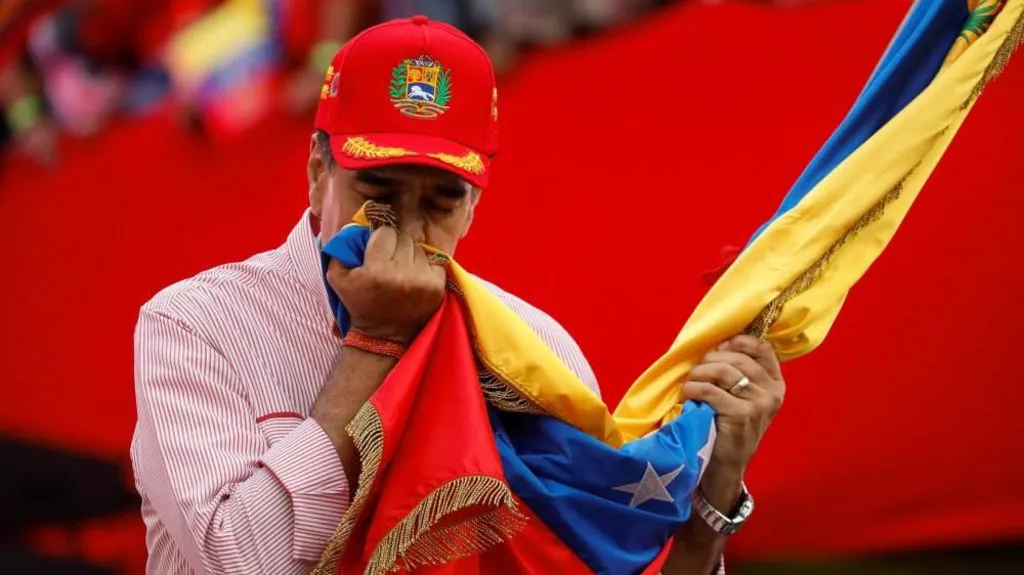
US President Donald Trump has ramped up pressure on Venezuelan President Nicolás Maduro with a series of aggressive moves, including a significant increase in the reward for information leading to Maduro’s capture and a large US military presence positioned off Venezuela’s coast.
This comes amid allegations that Venezuela has become a major player in the global drug trade, despite concerns about the legality of US actions in the region.
Trump’s administration has significantly raised the stakes in its confrontation with Maduro, who has been accused of running a “narco-terrorist” regime. The US has deployed 15,000 troops and a range of warships, including the USS Gerald Ford aircraft carrier, to the Caribbean as part of a broader effort to combat the flow of fentanyl and cocaine into the US. Over 80 people have been killed in a series of military strikes on boats suspected of smuggling drugs from Venezuela. These actions have drawn criticism from both Republican and Democratic lawmakers, who have questioned the legality of such strikes, especially after reports emerged that some of the attacks targeted survivors of previous strikes.
While the US has framed these strikes as part of a broader counter-narcotics effort, legal experts have expressed concern, arguing that the designation of “narco-terrorists” does not necessarily make the individuals on board the boats lawful military targets under international law. The Trump administration, however, maintains that its operations are in line with the laws of armed conflict and are essential for protecting US citizens from the dangers posed by these drugs.
Read also: Trump Intensifies Threats Against Venezuela, Raising Concerns Over Military Action
The US’s actions in Venezuela have sparked broader geopolitical tensions. Maduro has been a staunch opponent of US influence in Latin America, and the country is heavily involved in the global drug trade. However, experts argue that Venezuela is primarily a transit point for drugs produced elsewhere, particularly in Colombia. Fentanyl, the synthetic opioid responsible for a large number of overdose deaths in the US, is predominantly produced in Mexico, not Venezuela.
Trump has also made it clear that he intends to push for regime change in Venezuela, even offering Maduro and his family safe passage out of the country if they agree to step down. However, Maduro rejected the offer, and Trump subsequently declared Venezuela’s airspace closed. While the US has not ruled out further military intervention, including the possibility of troops on the ground, many are questioning the long-term effectiveness of such measures and whether they could further destabilise the region.
The ongoing situation in Venezuela remains a key focus of US foreign policy as Trump seeks to isolate Maduro’s regime and address concerns over drug trafficking and regional security.