Godsent Ogbebor
Why the Philippines starts Christmas in September
In the Philippines, Christmas does not begin in December; it starts as early as September, making it the longest Christmas season in the world.
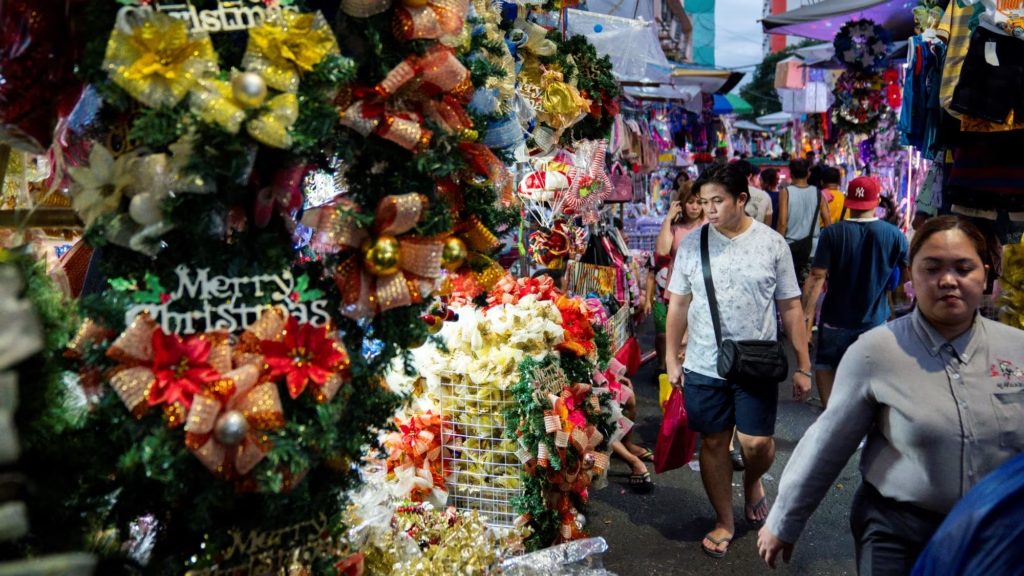
Across Manila and other cities, festive decorations appear months before December 25, with shopping malls, homes and streets draped in lights, ornaments and towering Christmas trees. The extravagant style of celebration is often described locally as bongga, meaning flamboyant, abundant and spectacular.
For many Filipinos, early preparations are part of the excitement. Via Arboleda, a 27 year old advertising professional in Manila, said Christmas decorations brighten the rainy season and lift spirits long before the holidays arrive.
“We believe the bigger the celebration, the better,” she said, adding that the festive mood helps people look forward to family reunions at the end of the year.
Family gatherings are central to the season. Nearly 10 per cent of the Philippine workforce is employed overseas, according to international labour data, and Christmas is often the only time many relatives return home. For some families, reunions happen once a year. For others, it may be once in a decade.
Food plays a major role, with tables filled with traditional dishes such as caldereta, Filipino style spaghetti sweetened with banana ketchup, rice, and fruit salad made with condensed milk and cream. Karaoke sessions are also a staple, with relatives of all ages taking turns to sing, often followed by cash gifts for children tucked into envelopes.
Read also: Overpricing Threatens Detty December Festivities
Despite the festive atmosphere, there is no winter chill. December temperatures in Manila average around 28 degrees Celsius, reinforcing the uniquely tropical character of Christmas in the country.
Malls and public spaces add to the spectacle with themed displays, fireworks and signature Christmas trees sponsored by major brands. Each year brings new designs, turning holiday shopping into a visual experience for families and tourists alike.
Beyond the celebrations, Christmas in the Philippines is deeply rooted in faith. Nearly 80 per cent of the population identifies as Roman Catholic, and church activities form a key part of the season. The nine day Simbang Gabi tradition begins on December 16, with pre dawn masses leading up to Christmas Eve.
After these early services, worshippers gather to enjoy seasonal treats such as bibingka rice cakes and puto bumbong, reinforcing the blend of religious devotion and communal celebration.
For many Filipinos, the extended Christmas season is more than a holiday. It is a defining part of national identity, built around family, faith and a shared love for celebration.