
Biogas: A Game Changer for Nigeria or Just Another Idea?
Energy is one of the biggest challenges of the 21st century. As industries grow, their energy demands increase, yet the main source of energy, fossil fuels is running out. At the same time, the pollution caused by these fuels has become a major problem for both humans and the environment.
The world depends on energy, and without it, modern life would not be possible. This dependence has led to rising oil and gas prices and global competition for energy resources. Because of this, countries are now turning to renewable energy sources like solar, wind, hydro, and biomass. Among these alternatives, biogas stands out as a promising solution.
Biogas is a clean and renewable energy source produced from organic waste such as food scraps, animal manure, and sewage.
Through anaerobic digestion, bacteria break down these wastes in an oxygen-free environment, producing methane gas, which can be used for cooking, heating, and electricity.
Many countries, including India and China, have successfully adopted biogas as an alternative energy source. Nigeria, with its high population and waste production, has the potential to do the same.
Read also:Seven Dead, Including Children, as Migrant Boat Capsizes Near Greek Island
Some Nigerian universities have already started experimenting with biogas. The University of Ibadan (UI), Federal University of Agriculture, Abeokuta (FUNAAB), and University of Nigeria, Nsukka (UNN) have set up small biogas plants to turn waste into energy. Some farms and businesses also use biogas to reduce energy costs. However, widespread adoption is still slow.
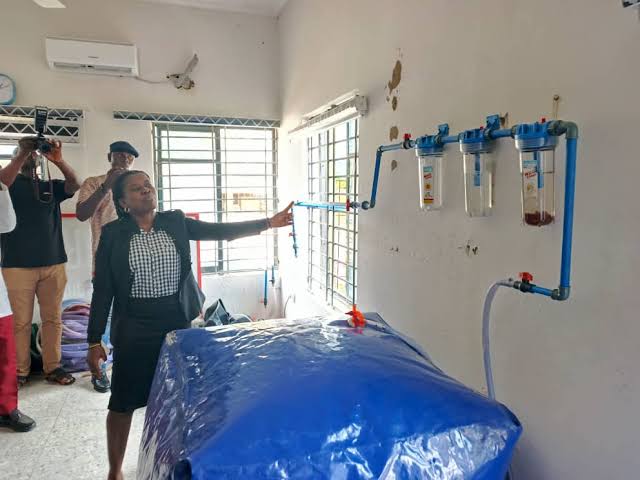
There are several challenges why biogas adoption remains low. Firstly, setting up a household biogas system costs between ₦100,000 and ₦300,000, an amount many families cannot afford. Beyond cost, lack of awareness is a major barrier. Many Nigerians do not understand how biogas works or believe it is unreliable.
In rural areas, cultural resistance also plays a role, as firewood has been used for generations, making people hesitant to switch. Another major issue is the lack of government support. Unlike countries where biogas adoption is encouraged through subsidies and incentives, Nigeria has not invested enough in policies that promote its use.
Despite these challenges, biogas offers significant benefits. Over time, it is cheaper, as it reduces the need to buy cooking gas or kerosene. It also helps the environment by managing waste more efficiently and reducing pollution.
Check out the link below for more details,
https://youtu.be/BaMKVqcRaLk?si=DFjUppulKEbCciiL
More importantly, it improves health, eliminating the harmful smoke from firewood and kerosene that causes respiratory diseases. These benefits, in addition to what has been stated, include odor control, improvement of air and water quality, improvement of the nutritional value of produced fertilizer and reduction of greenhouse gas emissions.
Read also:Panic as Lagos Ferry Catches Fire, 19 Rescued, 4 Severely Injured
Biogas haas the potential to help Nigeria reduce its dependence on fossil fuels, lower energy costs, and create a cleaner environment. However, for this to happen, there must be government support, public awareness, and investment in infrastructure. The future of biogas in Nigeria depends on the choices made today.