Screenshot
MADAGALI, Adamawa State, Nigeria –
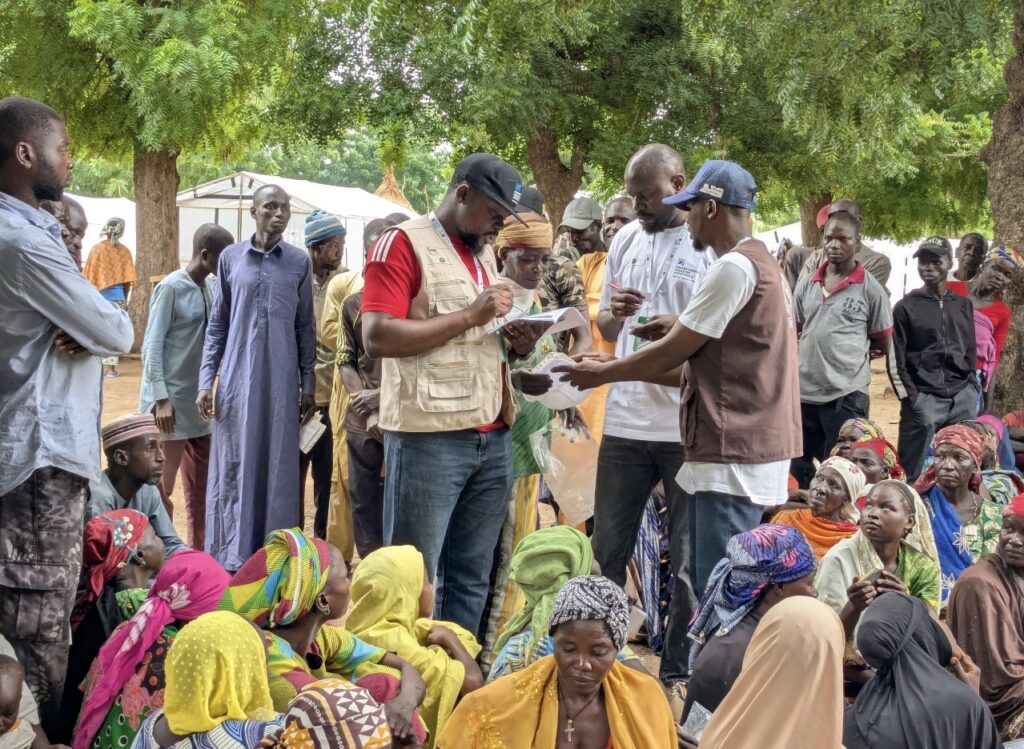
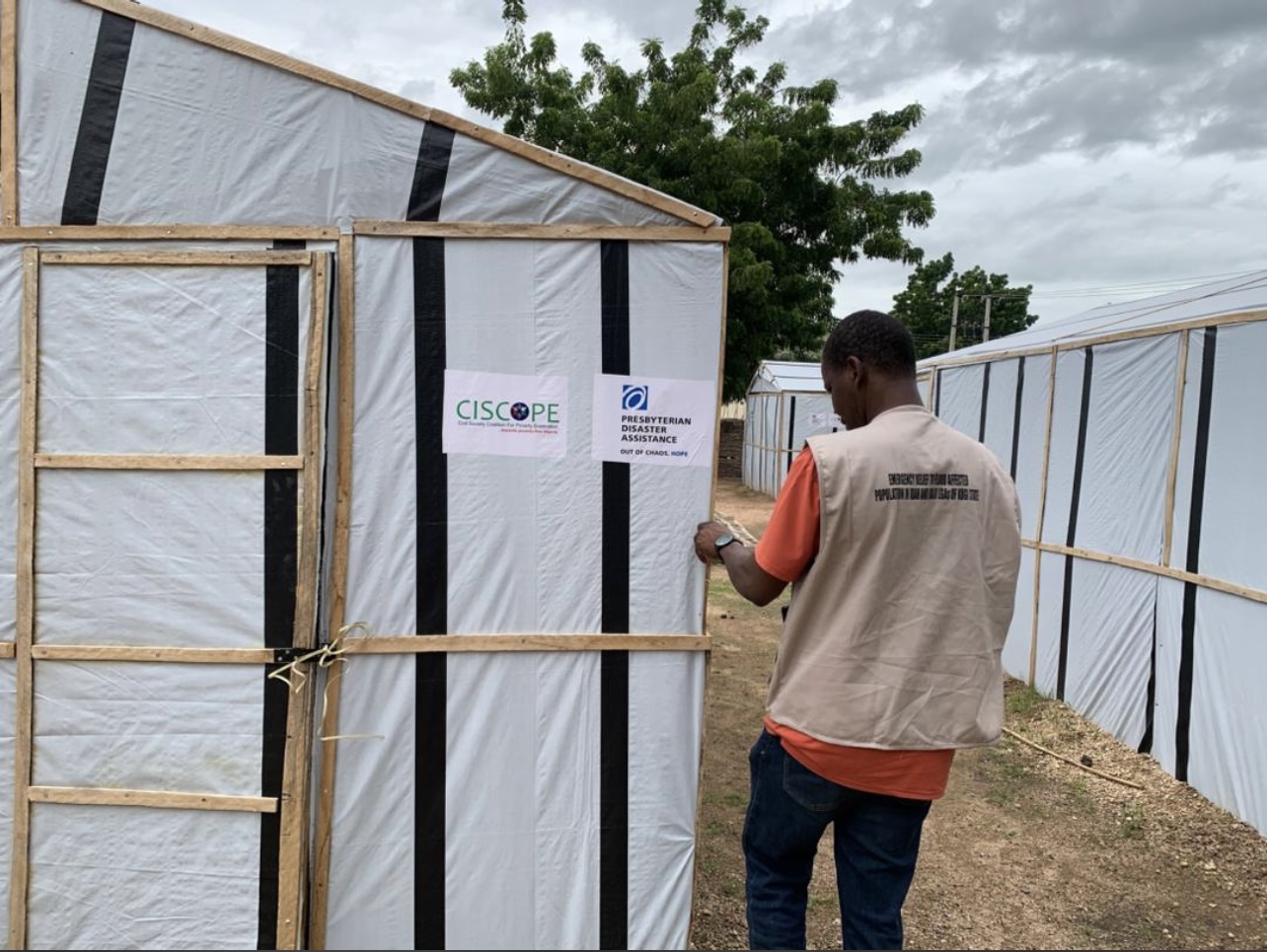
Displaced persons in Madagali Local Government Area of Adamawa State have received urgent humanitarian assistance through a coordinated effort between the Civil Society Coalition for Poverty Eradication (CISCOPE Nigeria) and Presbyterian Disaster Assistance (PDA).
The programme, which focuses on meeting immediate survival needs while supporting recovery, has delivered unconditional cash transfers, non-food items, and shelter materials to vulnerable households forced to flee their homes due to conflict and instability, with many arriving from neighbouring Cameroon.
This intervention comes at a time when humanitarian needs in Adamawa are rising sharply, with aid agencies responding to an influx of refugees and internally displaced persons.
The 2024–2025 Nigeria Humanitarian Response Plan estimates that between 35,500 and 54,249 refugees and asylum seekers across Borno, Adamawa, and Yobe states will require humanitarian assistance over the coming year.
According to the United Nations High Commissioner for Refugees (UNHCR), the humanitarian situation across Mubi, Michika, and Madagali Local Government Areas remains critical, with thousands of displaced persons and host community members facing persistent shortages of safe shelter, clean water, healthcare, and sufficient food. Many live in temporary or makeshift structures that offer little protection from harsh weather, while overcrowding and poor sanitation continue to heighten the risk of disease outbreaks.
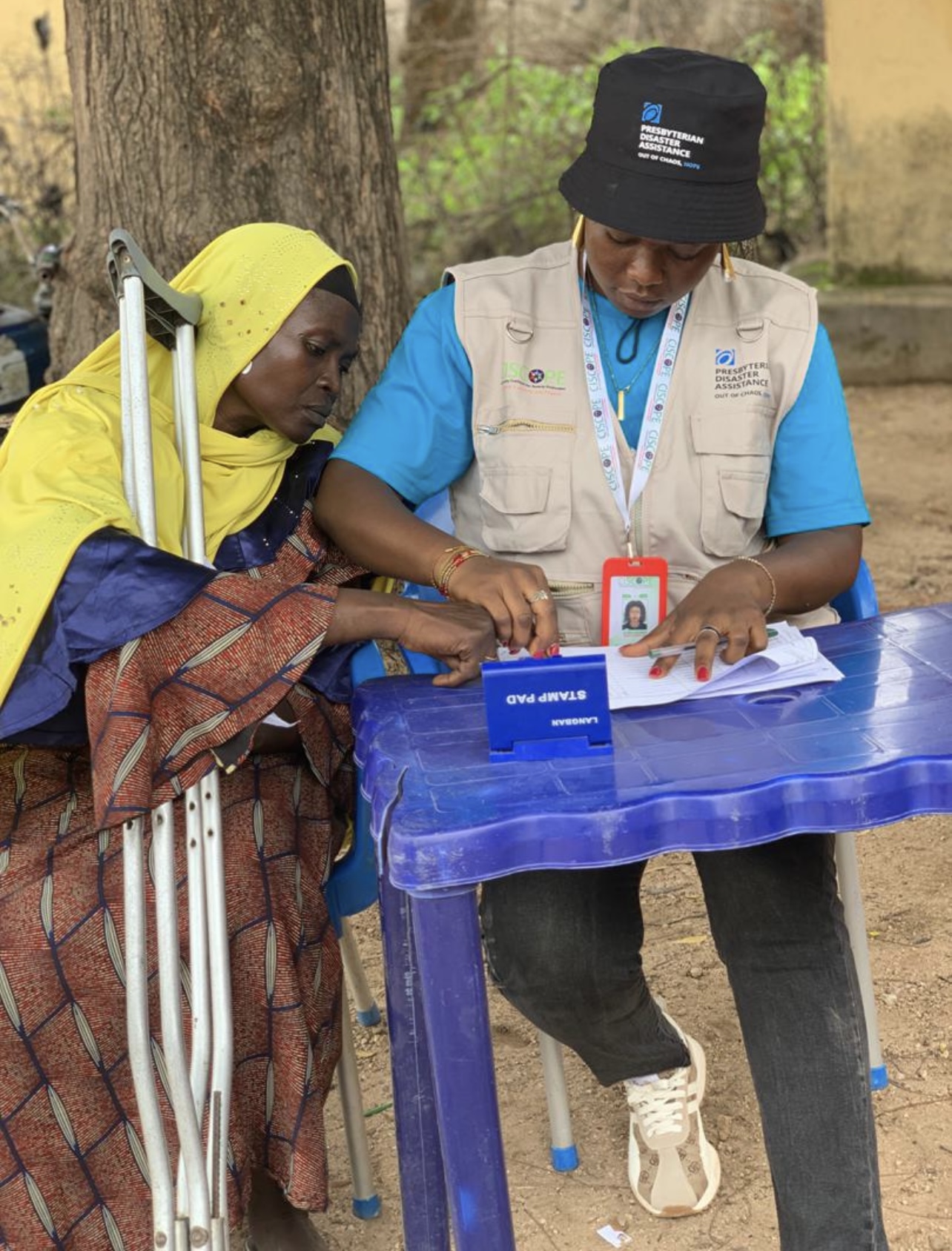
The CISCOPE–PDA initiative enables displaced families to use cash transfers to buy food, pay for healthcare, and address other urgent needs while the provision of non-food items and shelter materials offers physical protection and restores a degree of stability.
It builds on earlier livelihood support in Madagali, where hundreds of farmers have benefitted from access to agricultural machinery, improved seeds, and water pumps, helping to increase food production and reduce dependency on emergency relief.
In Madagali, livelihoods remain deeply disrupted, with farming and trade severely affected by insecurity, displacement, and the destruction of infrastructure. Families struggle to access markets, employment opportunities, and basic services, leaving the majority dependent on humanitarian assistance to survive.
Watch: https://youtu.be/J7Hm_Ijy5dQ?si=d9HkkNtPH8tMRJjU
The combined pressures of ongoing conflict, economic hardship, and limited aid resources mean that needs remain far greater than the help currently available.
Commenting on the displacement crisis in Nigeria, UNHCR’s Assistant High Commissioner for Operations, Raouf Mazou, said:
“We cannot watch this protracted situation endure, with families dependent on assistance year after year.”
Read Also: UNICEF Urges Support for Breastfeeding Mothers in Displacement