Chidinma Kalu
China and Nigeria have reaffirmed their economic partnership by renewing a 15 billion yuan ($2 billion) currency-swap agreement.
The renewed deal, aimed at strengthening trade and investment ties, is expected to promote the use of the yuan and naira in bilateral transactions, thereby reducing dependence on the US dollar.
According to a statement from the People’s Bank of China, as reported by Bloomberg and Chinese media on Friday, “The agreement is valid for three years and may be renewed upon mutual consent.”
The currency-swap arrangement, which was first established in May 2018, allows businesses in both nations to directly access the yuan and naira. This eliminates the need for third-party currencies, enhancing convenience and efficiency in cross-border trade.
Back in 2018, the agreement was signed by Godwin Emefiele, the then Governor of the Central Bank of Nigeria (CBN), and Yi Gang, the former Governor of the People’s Bank of China (PBoC). At the time, the CBN escribed the deal as a way to improve trade relations, stating, “This agreement will provide naira liquidity to Chinese businesses and RMB liquidity to Nigerian businesses respectively, thereby improving the speed, convenience, and volume of transactions between the two countries.”
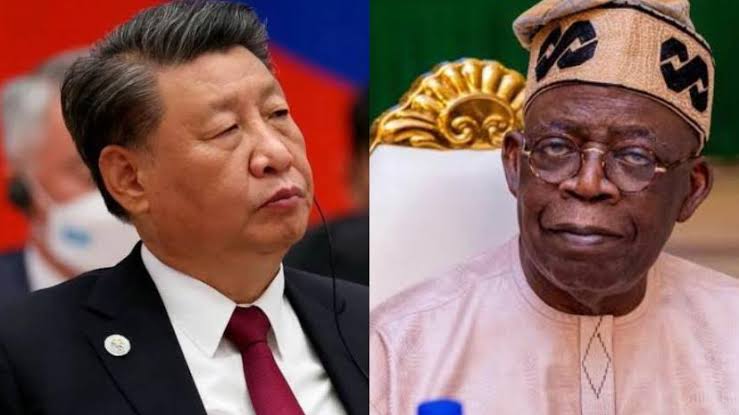
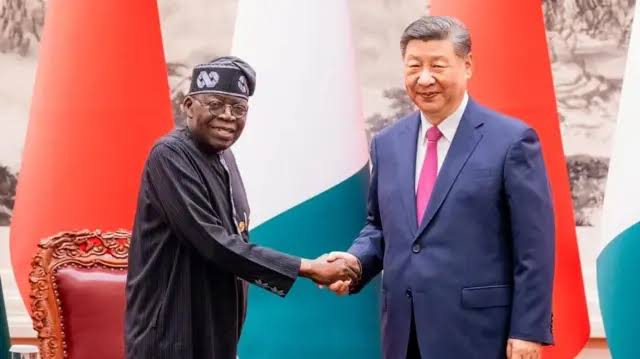
In September, President Bola Tinubu met with China’s President Xi Jinping to discuss further strengthening economic cooperation. During the meeting, both leaders agreed to promote local currency swaps and encourage diverse regional monetary frameworks to facilitate trade. They also underscored the importance of currency-swap initiatives in contributing to global financial stability.
With China accounting for nearly 30 percent of Nigeria’s total trade volume, the renewed currency-swap deal signifies a commitment to deepening economic ties. Both countries have also committed to international financial cooperation, particularly in combating money laundering and financing of terrorism.
The renewed deal marks another step toward fostering stronger trade relations and a shared vision of financial stability between the two nations.