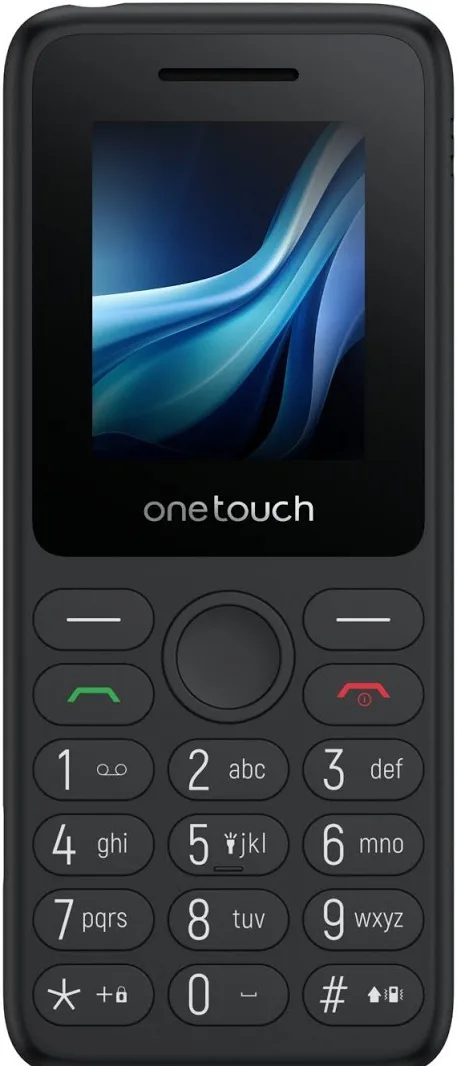
Data Costs Push Nigerians back to Basic Phones (Palasa)
By Shalom Ikuvbogie
Rising mobile data and airtime costs are forcing many Nigerians to abandon smartphones and return to basic feature phones, as households increasingly prioritise essential needs over internet access.
Across major cities and towns, consumers who once relied on Android devices for communication, entertainment and online services are switching to keypad phones, popularly known as “palasa” or torchlight phones, in a bid to cut expenses amid worsening economic conditions.

The trend comes as inflation continues to squeeze household incomes, while higher telecom costs make it increasingly difficult for many Nigerians to remain connected online. For some users, maintaining an internet-enabled smartphone has become an expense they can no longer justify.
Idris Abubakar, a 35-year-old auto mechanic, said he recently stopped using his Android phone because of the cost of keeping it connected.
According to him, mobile applications consume data rapidly through updates and background activities, making regular internet subscriptions difficult to sustain.
“I had to keep my Android phone aside. Data disappears too quickly, and I cannot afford to spend money on internet access when there are more pressing family needs,” he said.
He added that purchasing a basic phone had reduced his monthly expenses significantly.
The shift is also being felt in the retail market, where sellers report growing demand for feature phones while smartphone sales continue to slow.
Unlike smartphones, feature phones are mainly used for voice calls and text messages, helping users avoid unexpected data charges. Their long-lasting batteries have also made them attractive to consumers dealing with frequent power supply challenges.
For many low-income earners, the move away from smartphones was accelerated by restrictions affecting airtime and data borrowing services. These services previously served as a temporary lifeline for subscribers who needed to stay connected between income cycles.

Mrs Christiana Nwosu, a foodstuff trader, said the inability to borrow airtime and data made it harder to keep using her smartphone.
She explained that with a basic phone, a small airtime purchase can last for days because her communication is limited to brief calls with suppliers and customers.
The growing popularity of feature phones highlights the difficult choices many Nigerians now face as living costs continue to rise.
While Nigeria pursues ambitious digital economy goals and broader internet access, many citizens are being forced to focus on immediate financial survival. For them, internet connectivity is increasingly becoming a luxury rather than a necessity.
Read more;
Atiku, Amaechi discuss economy, security after ADC primary
Airtel Suspends Airtime, Data Credit Services
Technology analyst Makinde Ayoola said consumer spending patterns are changing as households reassess their priorities.
According to him, many people now view regular data subscriptions as an additional monthly burden, especially when weighed against basic needs such as food and transportation.
He noted that feature phones offer users greater control over their spending by eliminating concerns about background data consumption and costly app updates.
The trend is also becoming visible among younger Nigerians, many of whom rely heavily on social media platforms for communication and entertainment.
Halima Musa, a university student, admitted she misses using social media regularly but said the cost of maintaining an Android phone had become overwhelming.
She said many young people continue to carry smartphones despite being unable to afford regular data subscriptions, making the devices less useful than they appear.
As more Nigerians turn to basic phones, concerns are growing over the wider impact on digital inclusion, online learning, mobile banking and participation in the digital economy.
For now, however, the reality remains clear. Faced with rising costs and shrinking incomes, many Nigerians are choosing affordability over connectivity, driving a return to the simple mobile phones many believed had long been left behind.
Watch more;
https://www.instagram.com/reel/DZc5XJ1MKDo/