
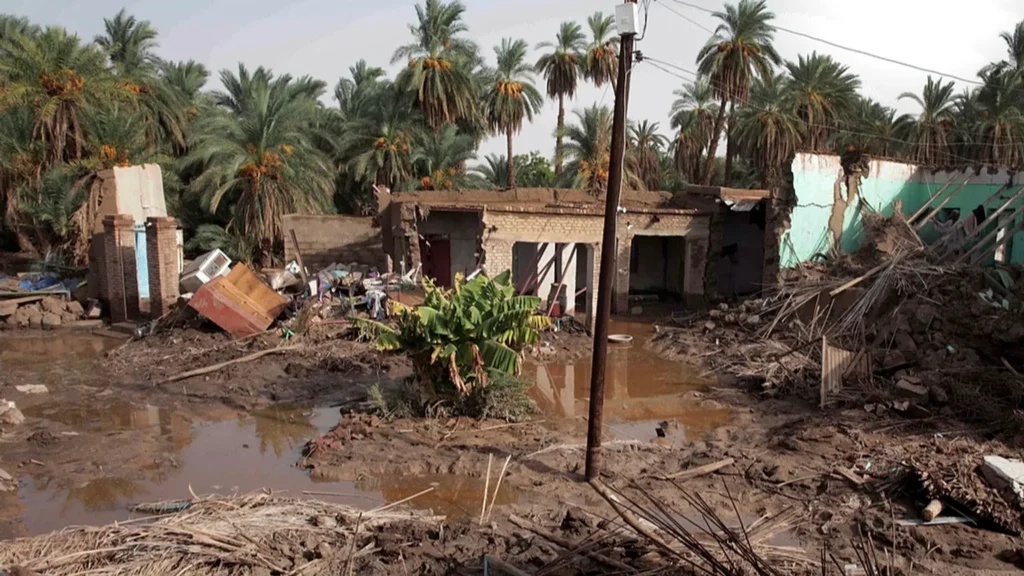
A massive landslide in Sudan’s Darfur region has wiped out an entire village, killing more than 1,000 people in one of the country’s deadliest natural disasters in recent history.
The tragedy occurred Sunday in the village of Tarasin, located in the Marrah Mountains of Central Darfur, after days of heavy rainfall. According to the Sudan Liberation Movement-Army (SLM-A), which controls the area, only one resident survived.
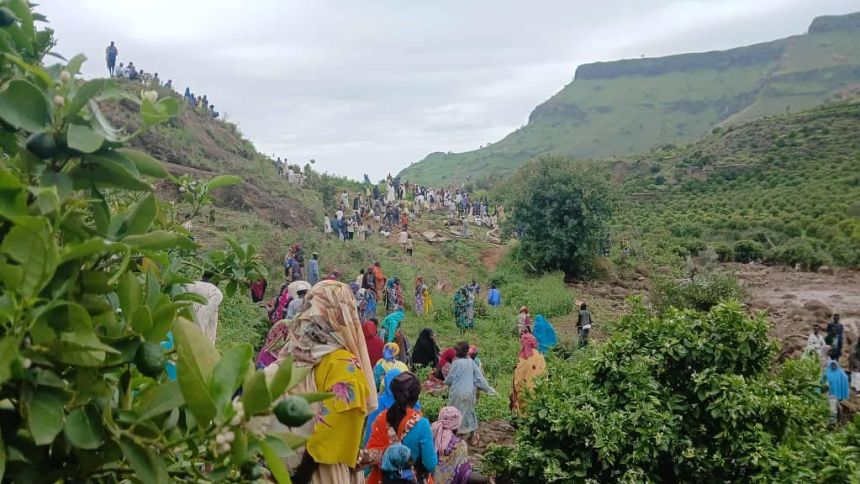
“The village was completely leveled to the ground,” the group said, appealing to the United Nations and international aid agencies for urgent assistance in recovering bodies.
Scale of the Disaster
SLM-A leader Abdel-Wahid Nour described the landslide as beyond comprehension.
“The scale and magnitude of the disaster are immense and defy description,” he said on Tuesday, calling for global intervention.
The ruling Sovereign Council in Khartoum confirmed the disaster and said it had mobilised all available resources to support the affected community.
Footage from the Marrah Mountains news outlet showed the area flattened between mountain ranges, with survivors searching for remains of loved ones.
Read also: WHO Confirms Nearly 100,000 Cholera Cases Across War-Torn Sudan
Remote and Vulnerable Region
Tarasin, a remote mountain village accessible only by foot or donkey, sits in a volcanic chain rising over 3,000 meters (9,840 feet). Known for higher rainfall and cooler temperatures, the mountains are a UNESCO World Heritage site.
Farmer Al-Amin Abdallah Abbas from a nearby village cluster said:
“The village and its people disappeared. It’s an unprecedented tragedy.”
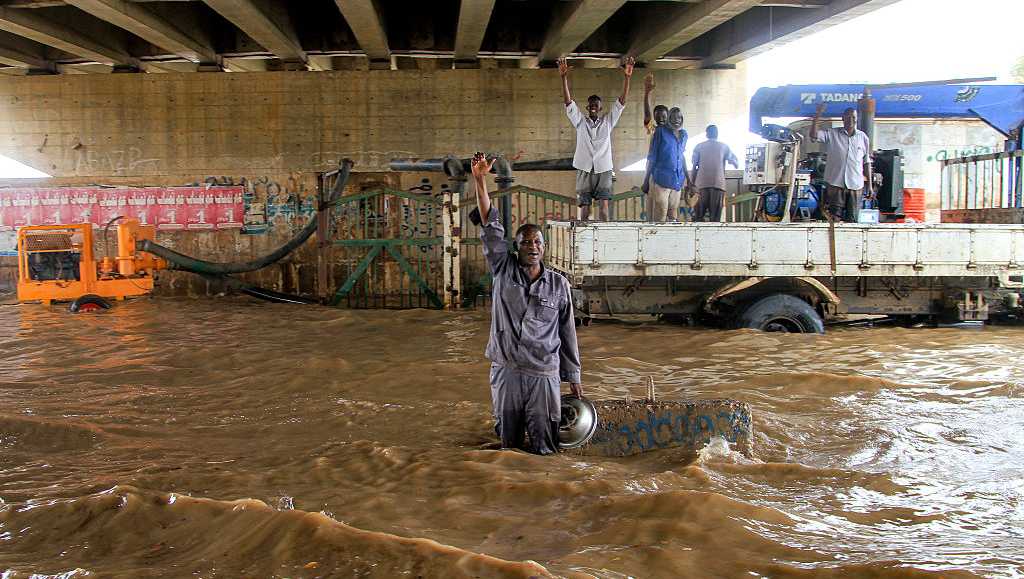
Seasonal rains from July to October cause deadly floods each year in Sudan. In 2024, flooding in Red Sea Province killed at least 30 people when a dam collapsed.
Humanitarian Crisis Amid War
The landslide struck as Sudan continues to endure a devastating civil war between the military and the Rapid Support Forces (RSF). The conflict, ongoing since April 2023, has killed over 40,000 people and displaced more than 14 million, leaving famine and atrocities in its wake.
Aid agencies such as Doctors Without Borders say Darfur’s mountain communities have been cut off for over two years, describing them as “a black hole” for humanitarian relief.
The U.N. warns that more than 30 million people in Sudan now need assistance, making it the world’s largest humanitarian crisis.