By Esohe Aifuwa
Tensions in Benin City: The Rejection of MOWAA by Edo State Administration and the Oba of Benin
A deepening cultural and political dispute has erupted in Benin City as both the Edo State Government and the Oba of Benin, His Royal Majesty Ewuare II, openly rejected the Museum of West African Art (MOWAA). The controversy reached a boiling point just days before the museum’s planned opening, with protesters storming the site, vandalizing sections of the facility, and forcing a postponement of its launch.
The uproar, rooted in disagreements over ownership of Benin artifacts and control of cultural institutions, threatens to derail what was once seen as a major step toward celebrating West African heritage.
Origins of MOWAA and Early Disputes
MOWAA was first conceived around 2018 during the administration of former Governor Godwin Obaseki. It was inspired by global efforts to return looted African artifacts, especially the Benin Bronzes taken by British troops in 1897.
Initially, it was presented as the Benin Royal Museum, meant to serve as a home for these historic pieces. However, tension surfaced early when Oba Ewuare II insisted that the artifacts should return directly to the royal palace, not a government-controlled institution.
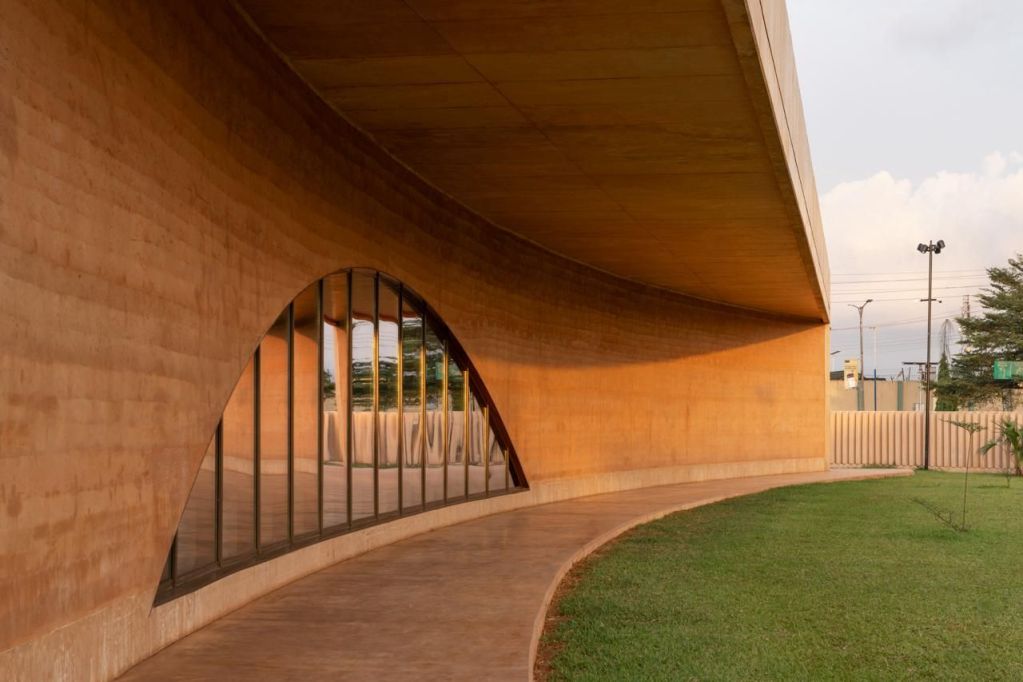
The project later evolved into an independent, non-profit museum, with financial backing from foreign donors including Germany and France. Designed by renowned architect David Adjaye, MOWAA was planned as a 15-acre complex focused on West African art, conservation, and research.
Despite assurances that it would not house royal bronzes, many indigenes viewed the rebranding as an attempt to sideline the Oba and diminish the monarchy’s role in preserving Edo heritage.
Protests and Palace Rejection
The tension boiled over on November 9 when hundreds of protesters disrupted a private preview at the museum’s Rainforest Gallery. They chanted solidarity songs for the Oba and vandalized parts of the facility, demanding that it be renamed the Benin Royal Museum under the direct control of the palace.
“The museum is offensive to me,” Oba Ewuare II was quoted as saying, accusing the project of diverting international funds meant for the royal institution. Protesters also accused former Governor Obaseki of using the project for personal and political gain.
Underlying the unrest is a broader frustration: many of the thousands of Benin Bronzes remain abroad, while those returned in recent years have gone directly to the palace. Locals also fear the museum’s benefits will not trickle down to the community.
Government Steps In
Edo State Governor Monday Okpebholo moved swiftly after the protests. On November 10, he revoked MOWAA’s Certificate of Occupancy, a land title granted during Obaseki’s tenure.
In a statement, the government cited strong public opposition and said the land would instead be used for health infrastructure. The decision came shortly after foreign diplomats, including Germany’s ambassador, toured the museum and praised its facilities.
Observers, however, see politics at play. Some argue the revocation was more about appeasing the palace and political supporters than public interest. Others say it is a short-sighted move that could cost Edo valuable cultural and tourism opportunities.
MOWAA’s Response and Federal Concern
In its response, MOWAA expressed “deep respect” for the Oba of Benin and denied any claim to the Benin Bronzes. The management condemned the violent protests and reiterated that the museum’s goal is to promote research and conservation of West African art, not to compete with the palace.
Nigeria’s Minister of Arts, Culture and Creative Economy, Hannatu Musa Musawa, described the incident as “a setback to the nation’s cultural progress.” President Bola Tinubu has since approved the formation of a committee to mediate between the parties and protect the country’s ongoing artifact repatriation efforts.
A Heritage at Crossroads
While the palace’s custodianship of Benin culture remains undisputed, the counterproductive actions of the Edo state Government is failing to propel the timeless Benin legacy into the national and international limelight, dimming opportunities for global recognition.
For now, Benin City stands divided. The museum complex remains closed, its future uncertain. What was meant to be a symbol of unity and pride has become a test of how Edo balances reverence for its royal past with the demands of a modern cultural future.