Tinubu, Atiku clash over economic relief
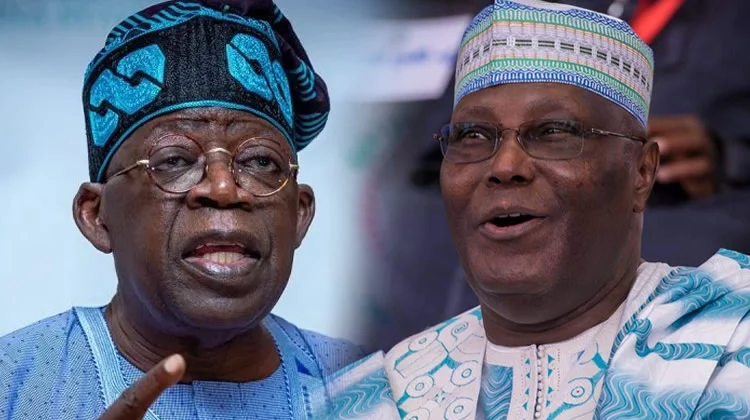
President Bola Tinubu and former Vice President Atiku Abubakar have disagreed over the impact of the Federal Government’s economic reforms, with Tinubu pointing to improving economic indicators while Atiku questioned whether the gains have translated into better living conditions for Nigerians.
Tinubu, represented by the National Chairman of the All Progressives Congress, Prof Nentawe Yilwatda, at the second edition of the Asiwaju Scorecard Series and Policy Roundtable in Abuja on Tuesday, said the reforms were laying the foundation for Nigeria to achieve a $1tn economy by 2030.
He said the removal of fuel subsidy, foreign exchange reforms, increased revenue mobilisation and investment in infrastructure had helped strengthen the economy after years of economic difficulties.
According to him, Nigeria’s gross external reserves had risen to about $52.7bn by August 2026, while consolidated non-oil revenue increased from about N13.63tn in 2023 to N16.4tn in the first two quarters of 2026.
He also said the country’s merchandise trade position had improved, rising from a surplus of about N44.8bn in 2023 to approximately N7.54tn in the first quarter of 2026.
Yilwatda said real Gross Domestic Product grew by 4.43 per cent in the second quarter of 2026, while inflation had fallen to about 15.4 per cent from its earlier peak.
He acknowledged that the figures did not mean Nigeria’s economic problems had been resolved, but said they showed that the country was moving towards greater macroeconomic stability.
Tinubu said the ultimate measure of the reforms would be their effect on food prices, employment, access to affordable credit, electricity and the purchasing power of Nigerians.
He also outlined plans to develop an integrated five-port maritime and logistics corridor linking major deep-sea ports in Lagos, Ondo, Ibom, Port Harcourt and Calabar to rail and road networks.
According to him, the infrastructure plan would connect production centres and major cities to regional markets, while creating opportunities in logistics, manufacturing, agriculture, banking, insurance and other sectors.
Read more: President Tinubu approves salary increases for armed forces personnel
The President also highlighted investment in young Nigerians through programmes such as the Nigerian Education Loan Fund, technical and vocational training initiatives and digital skills programmes.
He said the government was also expanding access to credit through the Credit Corporation, known as CREDICORP, to enable workers, entrepreneurs and businesses to acquire productive assets and create jobs.
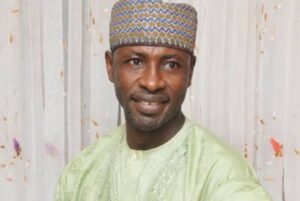
However, Atiku, through his Senior Special Assistant on Public Communication, Phrank Shaibu, criticised the administration’s approach, arguing that economic growth figures had not adequately addressed the hardship faced by Nigerians.
In a statement titled, “Tinubu, the issue is not Atiku — it is why Nigerians can no longer afford to live”, Shaibu said the focus should be on Nigerians struggling with food, transport, education and other basic needs.
He questioned why the government was only promising cheaper transportation, increased food production and relief for vulnerable Nigerians after years of rising living costs.
Atiku’s camp also defended its proposal for reducing energy costs, arguing that lower fuel prices would reduce transportation and production expenses and eventually bring down the cost of food and other goods.
The former vice president proposed targeted support for Nigerian crude supplied for domestic refining under a capped and transparently budgeted arrangement, with mechanisms to monitor crude supplies, refined products and the benefits passed on to consumers.
Read more: Tinubu Takes Xenophobia Case to AU
His camp also criticised the student loan scheme, arguing that Nigerians should not have to take on additional debt to cope with rising education costs.
Atiku said he would seek to reduce the underlying cost of education and consider forgiveness for qualifying student debts if elected.
He also demanded clarification on the estimated N15.8tn generated from petrol subsidy removal between June 2023 and December 2025, asking what measurable benefits had reached ordinary Nigerians.
The former vice president further questioned about N30tn in Federation Account revenues, deductions, savings and transfers, as well as Import Duty Exemption Certificates covering about N34tn worth of imports in 2025.
The disagreement comes as preparations for the 2027 general elections gather pace, with economic hardship, fuel prices, food costs, wages and social protection expected to remain major issues in the political debate.
While the Tinubu administration is presenting improved economic indicators as evidence that its reforms are working, Atiku’s camp is challenging the government to show how those gains are improving the daily lives of Nigerians.