Godsent Ogbebor
Total Lunar Eclipse: The September 2025 Blood Moon
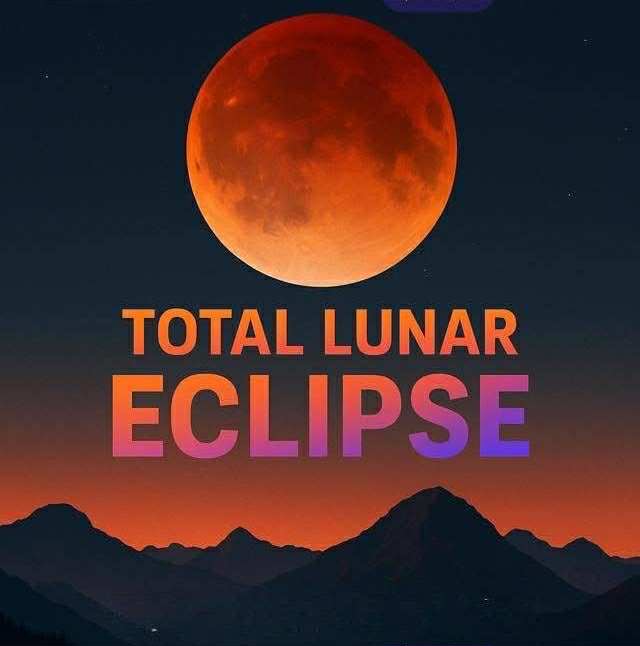
On the night of Sunday, September 7, 2025, into the early hours of Monday, September 8, Nigerians will witness a rare and awe-inspiring celestial event: a total lunar eclipse, popularly known as a Blood Moon.
Across the country, from Abuja and Lagos to Benin City, Maiduguri, Port Harcourt, and Kano, the skies will darken as the Moon gradually enters Earth’s shadow, transforming into a deep, fiery red.
This astronomical event is more than just a visual wonder. It is an opportunity to connect with the cosmos, appreciate the intricate mechanics of our solar system, explore cultural traditions, and share a moment that unites humanity across continents.
A lunar eclipse occurs when the Earth positions itself directly between the Sun and the Moon, casting a shadow across the lunar surface. Unlike a solar eclipse, which requires protective eyewear, a lunar eclipse is safe to watch with the naked eye.
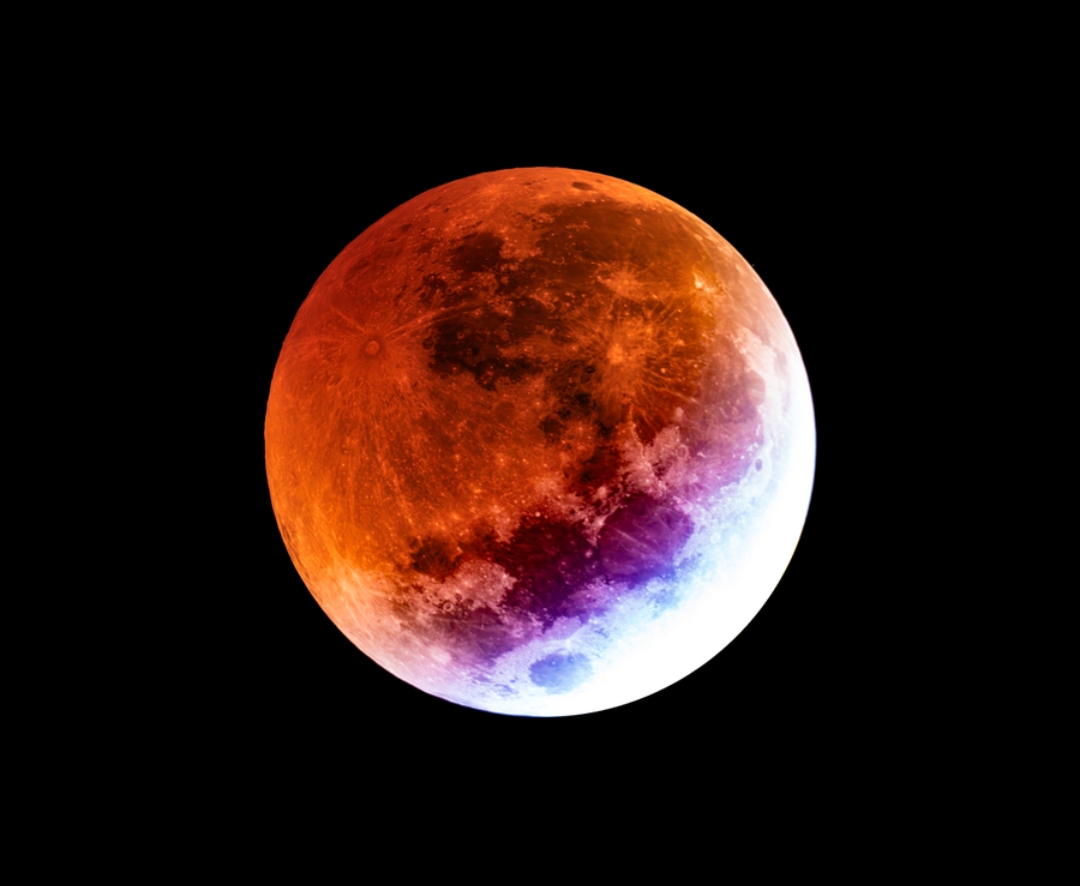
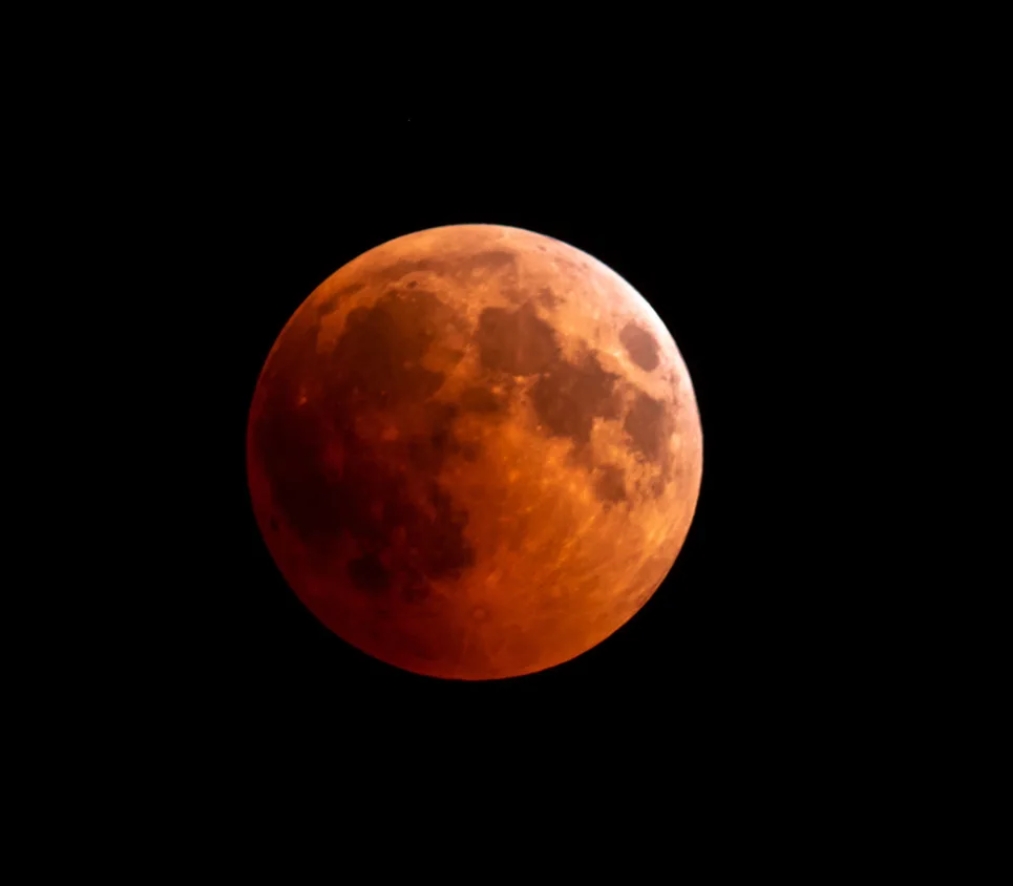
During a total lunar eclipse, sunlight passes through Earth’s atmosphere before reaching the Moon. The atmosphere filters out shorter wavelengths of light, such as blue and green, while allowing red and orange wavelengths to pass. This phenomenon creates the Moon’s characteristic reddish glow, earning it the name “Blood Moon.”
The September 2025 Blood Moon is particularly notable for its duration. The total phase of the eclipse will last approximately 82 minutes, making it one of the longest eclipses visible this decade. Observers can expect the entire event from the penumbral beginning to the end, to span nearly 5 hours and 30 minutes.
Watch more:
https://www.youtube.com/live/2u71gBp1zOc?si=AX1VHAlDA8ElbVtF
https://youtu.be/SNiHcPU2ZSc?si=-qKopXBGBHWdQKEJ
For astronomy enthusiasts, this eclipse is a masterclass in celestial mechanics: a vivid demonstration of orbital dynamics, light refraction, and cosmic alignment. It’s also a chance for scientists and educators to engage the public, especially students, in exploring the wonders of space science.
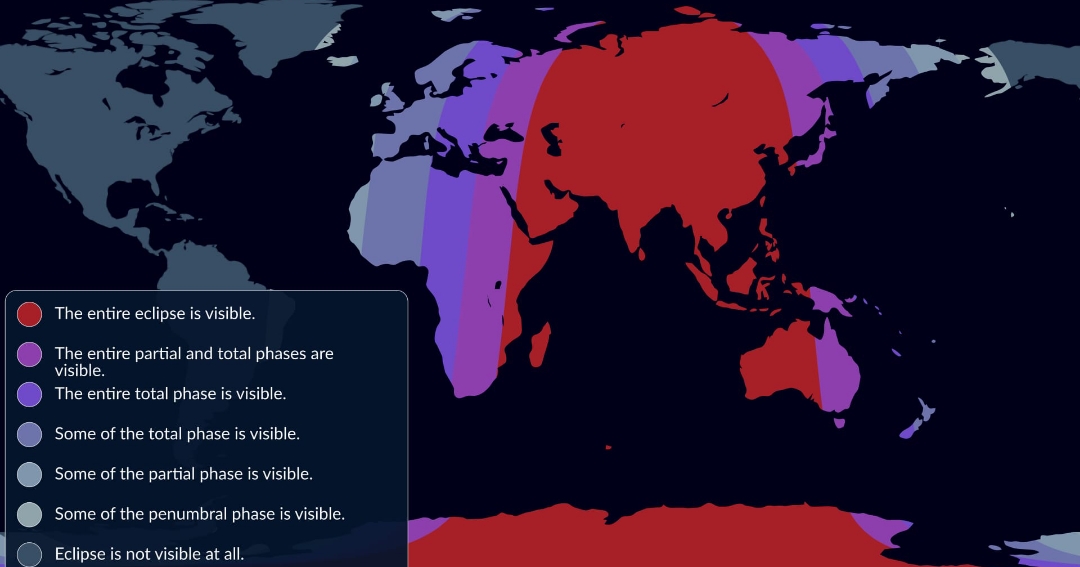
This eclipse is not limited to Nigeria. Over 77% of the global population will have a view of the event, particularly across Asia, Europe, Africa, and parts of Australia. People in Tokyo, London, Nairobi, and other cities will witness the Moon’s transformation, creating a shared global experience.
Historically, lunar eclipses have been observed and recorded across civilizations. Ancient astronomers used eclipses to understand Earth’s size, shape, and orbital mechanics, while many cultures interpreted them as omens, signs, or moments of spiritual reflection.
The September 2025 Blood Moon allows modern societies to reconnect with this age-old tradition, blending science and cultural heritage.
Experiencing the Eclipse Across Nigeria
For Nigerians, the Blood Moon offers a once-in-a-lifetime viewing experience, bringing families, friends, astronomers, and curious skywatchers together.
Major cities and conditions include:
- Abuja: Partly cloudy skies with potential thunderstorms. Best viewing from elevated, open areas.
- Lagos: Intermittent clouds; early hours offer the clearest view.
- Benin City: Cloudy with occasional rain; observers should find clear patches.
- Maiduguri: Partly cloudy, providing excellent visibility for the eclipse.
- Port Harcourt: Cloudy conditions with rain; view may be partially obstructed.
- Kano: Mostly clear skies with occasional cloud cover.
- Ibadan & Enugu: Variable conditions; seek open, dark locations for optimal viewing.
The event invites communities to step outside, look skyward, and marvel at the universe’s grandeur. From rooftop gatherings to outdoor festivals, the Blood Moon encourages a sense of shared wonder.
Across Africa, lunar eclipses have been imbued with deep cultural meaning. In Nigerian folklore, eclipses were often viewed as moments of reflection, renewal, and spiritual connection. Some communities interpreted the red Moon as a symbol of change, warning, or blessing, while others associated it with harvest cycles and seasonal rituals.
Read also: Loud and Wrong: The Art of Confident Misinformation
Today, the Blood Moon offers a bridge between tradition and modernity. Communities can celebrate their heritage while engaging with scientific understanding. Elders may share ancestral stories about the Moon, while young people capture and share images online, blending oral traditions with digital storytelling.

Capturing the Blood Moon: A Photographer’s Guide
For photography enthusiasts, the Blood Moon is a perfect subject, whether using professional cameras or smartphones.
- Equipment: Tripod for stability; telephoto lens (200mm+) recommended.
- Camera Settings: Low ISO (100–200), aperture f/8–f/11, long exposure for detailed shots.
- Timing: Focus on the total eclipse phase for dramatic red hues.
- Apps: Lunar tracking apps help anticipate Moon rise and peak eclipse moments.
- Smartphone Tips: Place the phone on a stable surface, use zoom, and capture multiple frames for editing later.
Social media platforms will likely fill with stunning Blood Moon images from Nigeria, connecting local observers with a global audience experiencing the same celestial event.
Eclipse Timings Across Nigeria (WAT)
| Phase | Time & Date |
|---|---|
| Penumbral Eclipse Begins | 10:28 PM – Sunday, Sept 7 WAT |
| Partial Eclipse Begins | 11:27 PM – Sunday, Sept 7 WAT |
| Total Eclipse Begins | 12:31 AM – Monday, Sept 8 WAT |
| Maximum Eclipse | 1:11 AM – Monday, Sept 8 WAT |
| Total Eclipse Ends | 1:53 AM – Monday, Sept 8 WAT |
| Partial Eclipse Ends | 2:56 AM – Monday, Sept 8 WAT |
| Penumbral Eclipse Ends | 3:55 AM – Monday, Sept 8 WAT |
Timings may vary slightly depending on your exact location.
The September 2025 Blood Moon is more than an astronomical phenomenon; it is a cultural, scientific, and social event. It reminds Nigerians to look up, connect with global observers, celebrate traditions, and appreciate the cosmic ballet that unfolds above.
From observing the Moon’s red glow to capturing images for social media, from sharing stories with family to reflecting on human existence in the universe, the Blood Moon is a rare opportunity to pause, look up, and be awed.
Whether you are in Abuja, Lagos, Benin City, Maiduguri, Port Harcourt, Kano, or anywhere across Nigeria, the night of September 7-8 promises a memory that will last a lifetime.