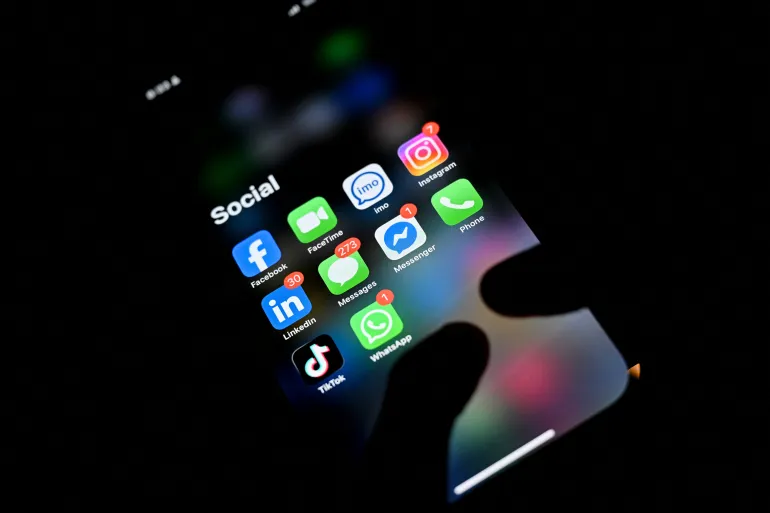
The UK government has announced a sweeping under-16 social media ban that will prevent children from accessing major platforms including TikTok, YouTube, Instagram, Snapchat, Facebook and X from spring 2027, in what Prime Minister Keir Starmer described as a landmark effort to protect children from the harmful effects of social media.
The policy is one of the toughest online safety measures introduced by a major Western nation and goes beyond restrictions adopted in several other countries, earning the nickname “Australia Plus” among supporters and critics alike.
What the Ban Covers
Under the new rules, social media companies will be required to stop users under the age of 16 from accessing their platforms through strict age-verification systems.
Platforms affected include TikTok, YouTube, Instagram, Snapchat, Facebook and X. Messaging services such as WhatsApp and Signal will remain exempt, while educational and certain utility-based online services are also expected to avoid restrictions.
The government is also introducing additional protections for teenagers, including restrictions on livestreaming, limits on contact from strangers through gaming platforms and tighter controls on AI chatbots designed to simulate romantic or sexual relationships.
Starmer Says Child Safety Comes First
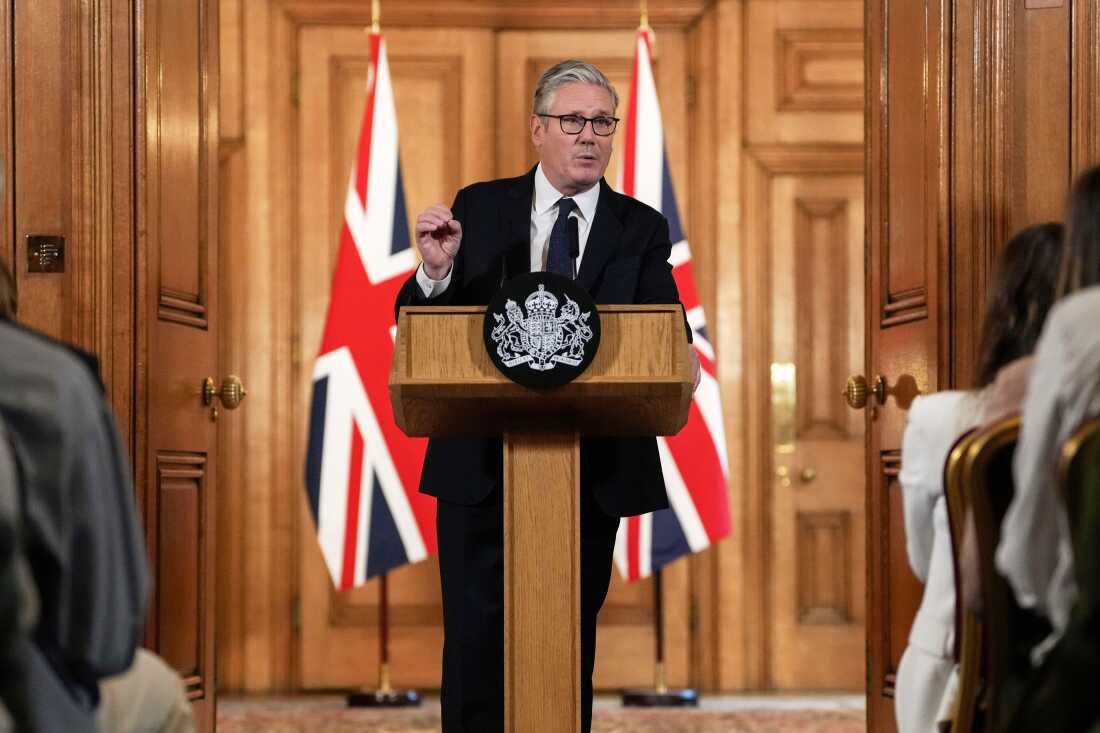
Announcing the decision, Starmer said technology companies had failed to adequately protect young users despite years of pressure from governments, parents and campaigners.
“A full ban is the right choice. I am not prepared to compromise on the safety and happiness of our children,” the Prime Minister said.
The government argues that social media platforms expose children to harmful content, cyberbullying, addictive algorithms, online predators and excessive screen time, all of which have raised concerns among health experts and parents.
Officials say the measures are designed to “give children their childhood back” while creating a safer online environment.
Why the Government Took Action
The announcement follows a nationwide consultation that attracted more than 116,000 responses from parents, children, educators and technology companies.
According to the findings, around 90 per cent of parents supported setting the minimum social media age at 16, providing strong political backing for tougher regulations.
The issue gained urgency following growing concerns over online challenges, cyberbullying, mental health pressures and harmful content targeting children. Several bereaved families have also campaigned for stricter regulation after linking social media content to the deaths of young people.
Tech Companies Push Back
The announcement has sparked criticism from major technology firms, including social media companies that argue a blanket ban could create unintended consequences.
Some companies warn that blocking access to mainstream platforms may push teenagers towards less regulated online spaces where risks could be even greater. Others have questioned whether age-verification systems can be implemented effectively without raising privacy concerns.
Digital rights groups have also raised concerns that determined users may bypass restrictions through VPNs or other workarounds, potentially limiting the effectiveness of the ban.
Read Also: Australia: Optus Outage Linked to Deaths After Emergency Calls Failed
Lessons From Australia
The UK is drawing heavily from Australia’s experience after Canberra became the first country in the world to ban social media access for under-16s.
Australian authorities reported that millions of accounts belonging to children were removed, restricted or deactivated following the introduction of the law. However, officials also acknowledged that many teenagers found ways to bypass age-verification systems and continue using social media platforms.
The UK government believes its broader approach, which includes restrictions on gaming services, livestreaming and AI tools, will make enforcement more effective.
WATCH: https://www.youtube.com/shorts/a8JK_Zn8VOU
Global Trend Toward Tougher Regulation
Britain joins a growing list of countries tightening online protections for children. Australia, Canada, Brazil and Indonesia have either introduced or announced age-based restrictions, while countries including France, Denmark and South Korea are considering similar measures.
If implemented as planned, the UK ban could become a model for future child online safety laws around the world and further intensify the global debate over how governments should regulate social media platforms.
The legislation is expected to be introduced before the end of 2026, with enforcement scheduled to begin in spring 2027.