Nigeria Health Worker Migration
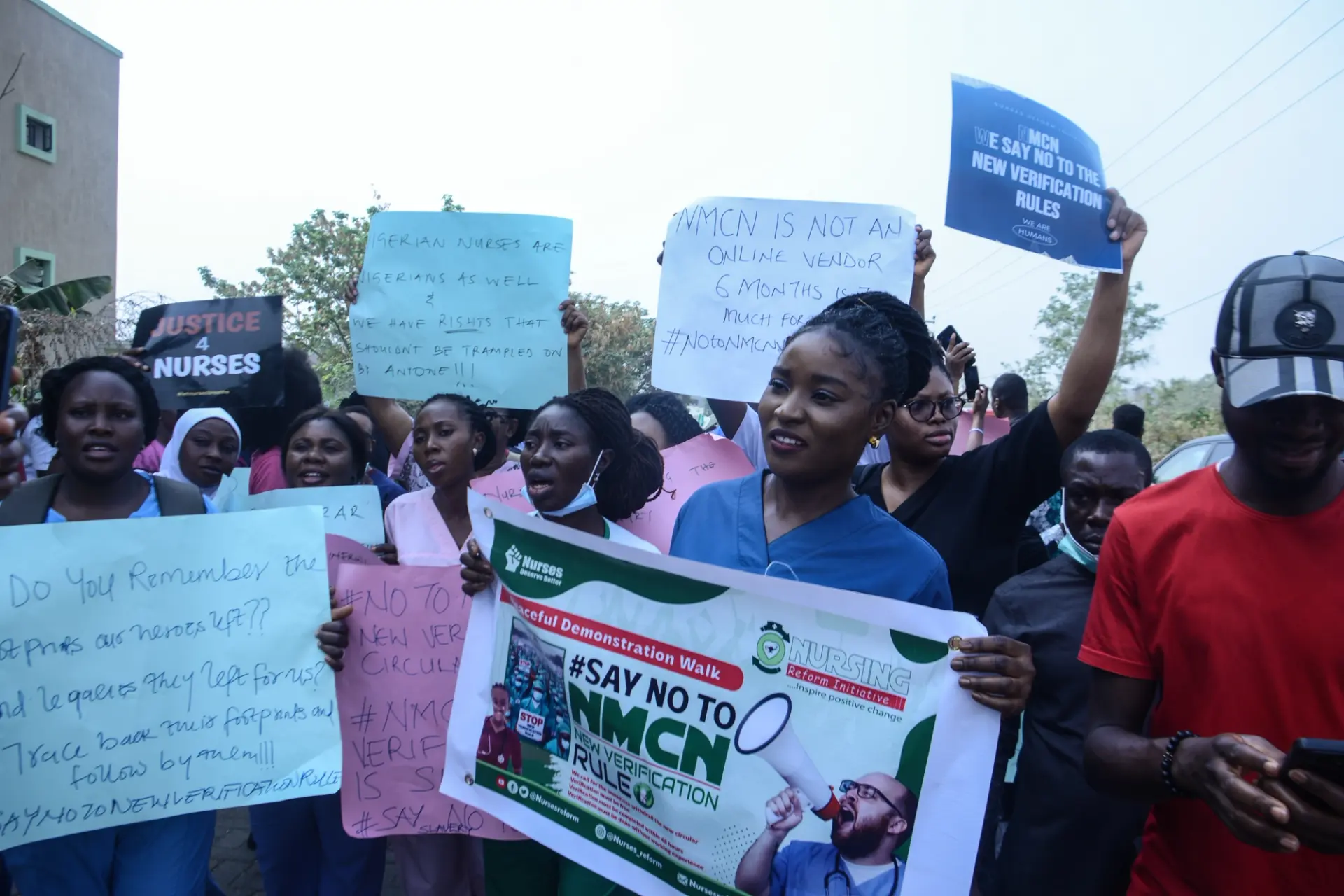
The question remains – Why Nigeria Is Losing Its Best Healthcare Workers?. In recent years, over 15,495 nurses and 16,000 doctors have migrated abroad, seeking better working conditions, fair compensation, and professional growth. This trend, often referred to as a healthcare exodus, poses a grave threat to Nigeria’s already struggling healthcare system.
The Surge in Healthcare Migration
The exodus of Nigerian healthcare workers is not a new phenomenon, but its pace has significantly increased in the last decade. According to the Nigerian Medical Association (NMA), over 16,000 doctors have left the country in the past five years alone. Similarly, data from the Nursing and Midwifery Council of Nigeria (NMCN) shows that more than 15,495 nurses migrated abroad within the same period.
These professionals are heading to countries like the United Kingdom, Canada, the United States, and Australia. The reason? Better pay, improved work environments, and greater opportunities for career advancement.

Why Nigerian Healthcare Workers Are Leaving
The reasons behind this mass migration are not difficult to understand. Nigerian doctors and nurses are faced with numerous challenges that affect their ability to deliver quality care.
1. Poor Working Conditions
Many Nigerian hospitals are understaffed and under-equipped. Doctors and nurses often work long hours without adequate support. Some work multiple shifts with little to no rest, leading to burnout and frustration.
The lack of essential medical supplies, malfunctioning equipment, and poor infrastructure make it difficult for healthcare professionals to perform their duties effectively. Emergency rooms are overcrowded, and wards often lack basic amenities like running water and electricity.
2. Low Wages
The pay gap between Nigerian healthcare workers and their counterparts abroad is staggering. A newly qualified doctor in Nigeria earns between N200,000 to N300,000 ($130 – $200) per month, while a similar role in the UK or US offers between $3,000 to $5,000 monthly.
Despite the high level of education and responsibility required for their roles, many Nigerian healthcare workers struggle to make ends meet. This economic disparity is a major push factor for migration.
3. Lack of Professional Development
Opportunities for career advancement and specialisation are limited in Nigeria. Many doctors and nurses find it difficult to secure funding or approval for further studies, research, or fellowships.
In contrast, countries like the UK and Canada offer structured programs for professional growth, continuous medical education, and specialisation. These systems also recognise and reward excellence, further attracting Nigerian talent.
Impact on Nigeria’s Healthcare System
The migration of thousands of doctors and nurses has created a vacuum in the Nigerian healthcare system.
1. Staffing Shortages
With fewer healthcare workers available, hospitals and clinics are stretched thin. Some medical facilities operate with skeletal staff, forcing patients to wait for hours or even days to receive care.
The World Health Organization (WHO) recommends a doctor-to-patient ratio of 1:600. In Nigeria, this ratio is estimated to be around 1:5,000. This alarming gap highlights the strain on the remaining medical personnel.
2. Declining Service Quality
As workloads increase and experienced professionals leave, the quality of healthcare services declines. Medical errors, misdiagnoses, and preventable deaths become more frequent.
Patients also suffer from reduced access to specialized care. For instance, Nigeria has only a handful of practicing oncologists, cardiologists, and neurosurgeons left in the country.
3. Public Health Challenges
The shortage of skilled workers affects Nigeria’s ability to respond to public health emergencies. During outbreaks like COVID-19 and Lassa fever, the healthcare system struggled to cope.
Vaccination programs, maternal care, and child health services are also compromised, leading to poor health outcomes and increased mortality rates.
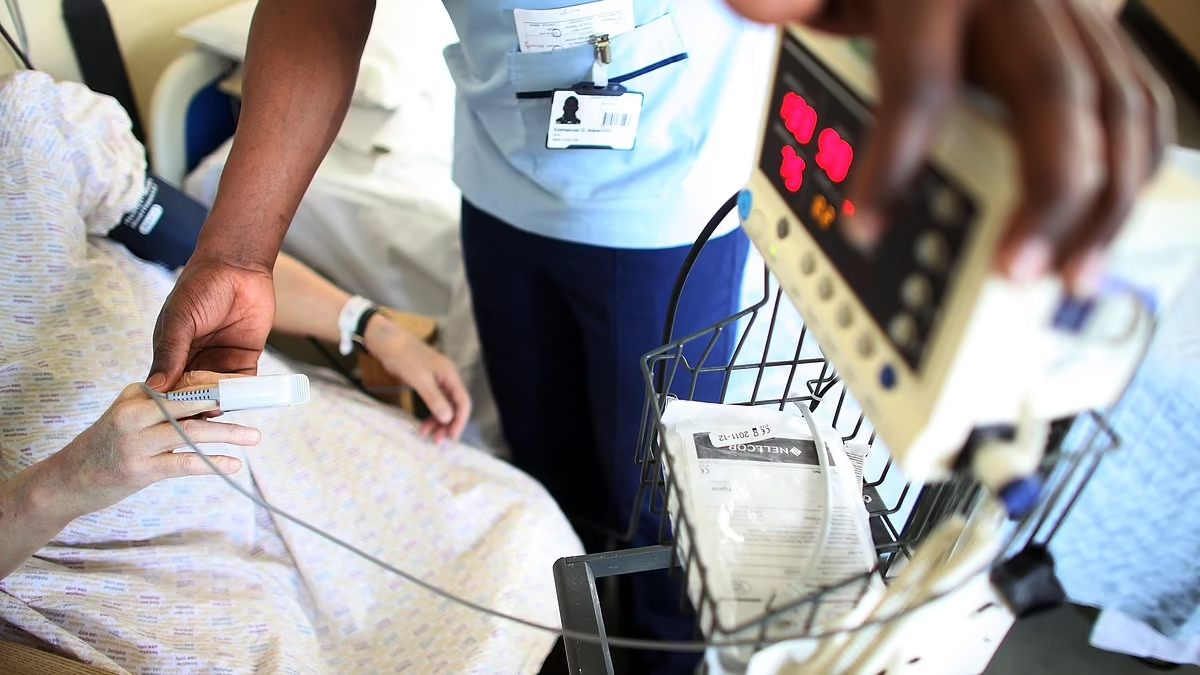
The Global Demand for Nigerian Healthcare Workers
Nigerian healthcare professionals are in high demand globally due to their strong academic backgrounds and clinical experience. This demand is driven by healthcare shortages in countries like the UK, Canada, and Australia, which actively recruit Nigerian workers through streamlined migration schemes and special work visas.
The UK offers a Health and Care Worker visa, designed to simplify the migration process for foreign healthcare professionals. This visa allows qualified individuals to work in the UK’s National Health Service (NHS) and other healthcare settings, providing a clear pathway for Nigerian healthcare workers seeking better opportunities abroad.
Canada also has programs like Express Entry and Provincial Nominee Programs, which facilitate the recruitment of nurses and doctors. These programs are attractive to Nigerian healthcare professionals due to the promise of better working conditions, higher salaries, and career advancement opportunities.
Italy is also experiencing a shortage of caregivers, particularly for its aging population. In response, the Italian government plans to offer an additional 10,000 work visas for migrant caregivers in the coming year. This move is part of a broader strategy to address labor shortages in the caregiving sector.
The aggressive recruitment of healthcare workers from countries like Nigeria has sparked ethical debates. While destination countries benefit from the influx of skilled professionals, source countries suffer from depleted healthcare systems. The WHO’s guidelines emphasise the importance of ethical recruitment practices to prevent exacerbating healthcare disparities in vulnerable nations
Push Factors in Nigeria
The migration of healthcare workers from Nigeria is not only driven by global demand but also by push factors within the country. Poor working conditions, low wages, and limited opportunities for professional development are significant drivers of this exodus. The Nigerian Medical Association (NMA) has noted that rising inflation and insecurity further exacerbate these issues, leading to a worsening healthcare crisis13.
Impact on Nigeria’s Healthcare System
The loss of skilled healthcare workers has severe implications for Nigeria’s healthcare system. The country faces increased workload for remaining staff, decreased access to healthcare services, and compromised quality of care. By 2025, Nigeria may lose more than 50% of its skilled healthcare workforce, underscoring the urgent need for policy interventions to retain talent.
Policy Initiatives and Future Directions
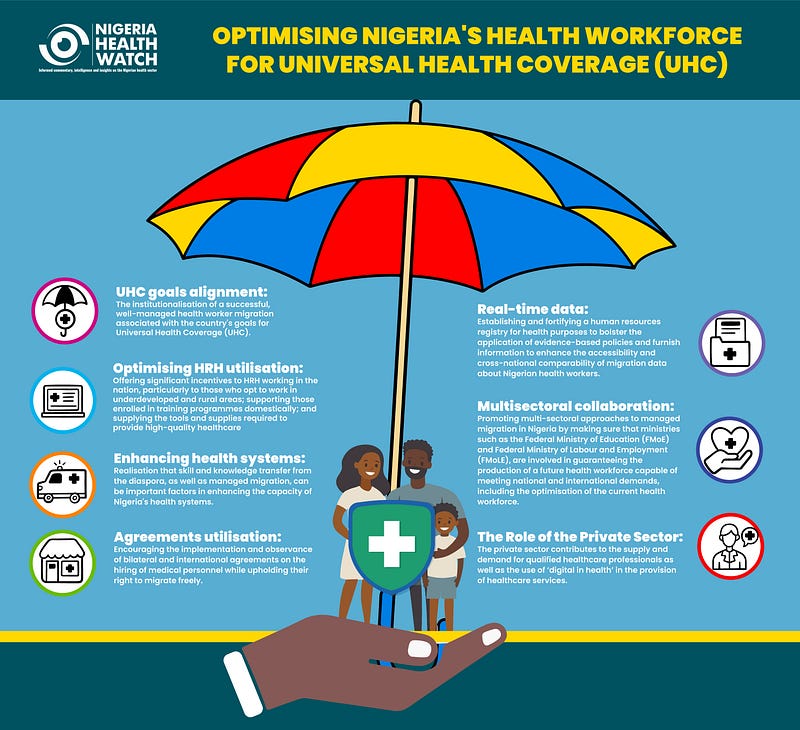
To address this crisis, Nigeria has introduced initiatives like the National Policy on Health Workforce Migration. This policy aims to create incentives for retaining local staff and attracting diaspora health professionals back to Nigeria. Additionally, investments in primary healthcare infrastructure and improving working conditions are crucial for stemming the migration tide.
In conclusion, while the global demand for Nigerian healthcare workers offers opportunities for individual professionals, it poses significant challenges for Nigeria’s healthcare system. Addressing these challenges requires comprehensive policy reforms and strategic investments in healthcare infrastructure and workforce development.
Personal Stories: Why They Left
Many Nigerian healthcare workers who have migrated share similar stories.
- Dr. Adebayo (not real name), a medical doctor who relocated to Canada in 2022, said he was earning less than $250 a month in Nigeria. Despite working in a federal teaching hospital, he struggled to pay rent and support his family.
“In Canada, I earn enough to live comfortably, continue my education, and still send money home,” he said.
- Nurse Kemi moved to the UK in 2021. She described her job in Nigeria as emotionally draining. “I loved my patients, but I was working 18-hour shifts with no overtime pay. It was unbearable.”
- Dr. Ifeanyi’s Fight to Survive in Lagos
Before leaving for the United Kingdom in 2023, Dr. Ifeanyi (not real name) worked at a general hospital in Lagos. He recalls a night when he had to perform an emergency caesarean section during a power outage, using the flashlight on a junior nurse’s mobile phone.
“I made a vow that night,” he said, “never again would I risk someone’s life because the system failed us.”
Despite ten years of service, he earned just over ₦280,000 monthly and couldn’t afford to send his children to good schools. Today, in the UK, he works as a junior registrar and is pursuing a specialization in obstetrics and gynecology.
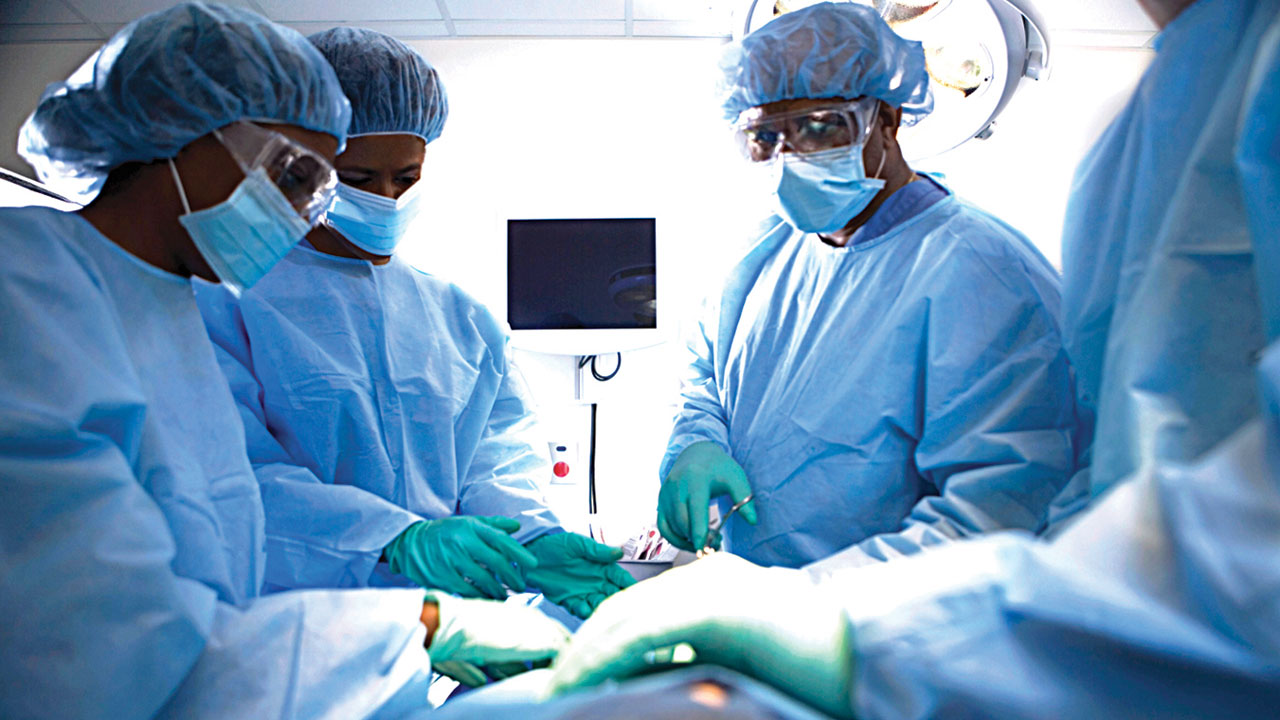
- Nurse Halima’s Journey from Kano to Coventry
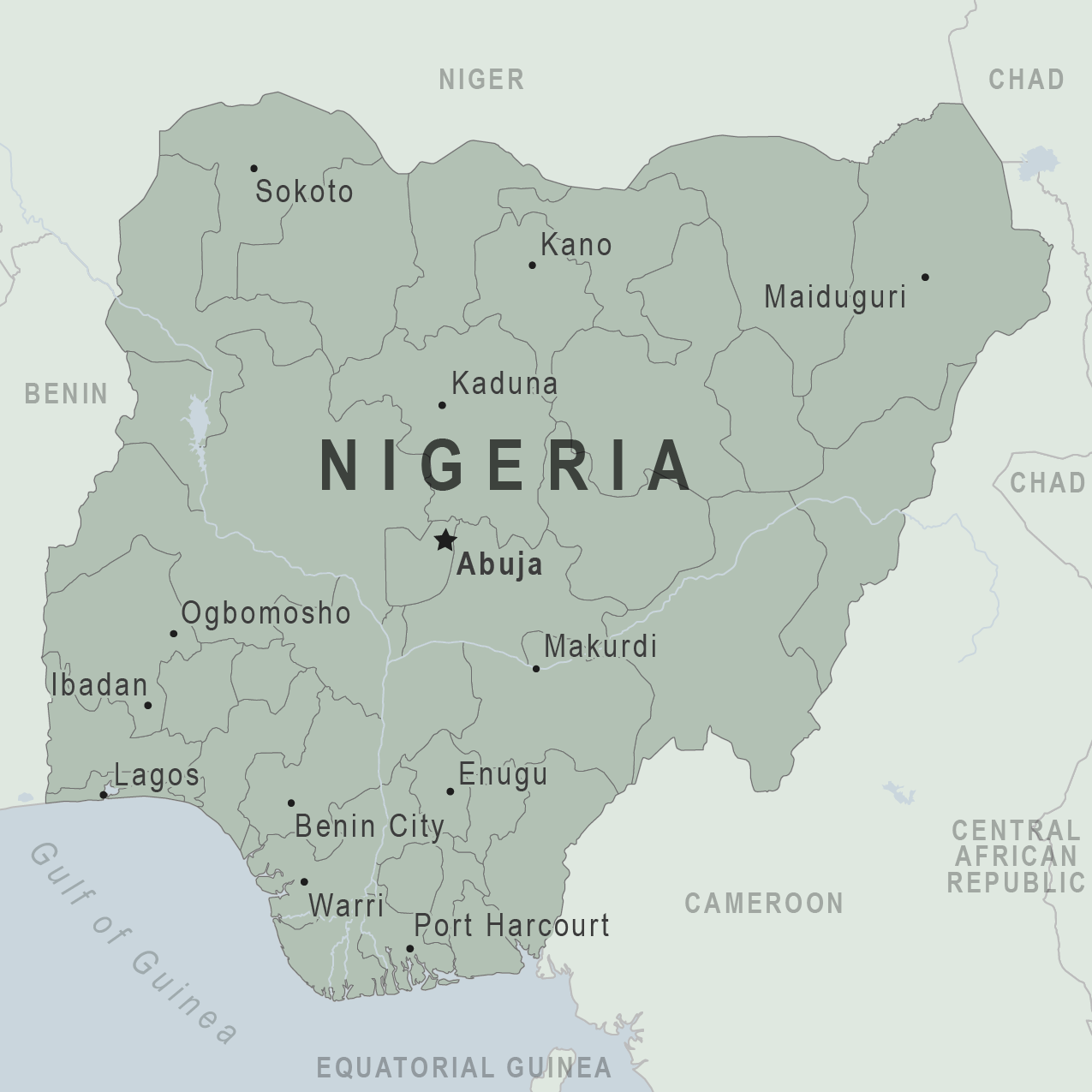
For Halima, a registered nurse from Kano, the breaking point came when she lost a patient due to lack of oxygen supply during a meningitis outbreak in 2022.
“I held her hand as she took her last breath. We had no oxygen left. I cried the whole night,” she said.
Now working in Coventry, UK, Halima describes her new role as “respectful and rewarding.” She works regular shifts, gets paid overtime, and receives support for further training.
- Dr. Musa’s Escape from Burnout
A former senior registrar at a teaching hospital in Northern Nigeria, Dr. Musa left in early 2023 after suffering from chronic stress and hypertension. He said he often handled 60 patients per day, many with complex conditions that required more time and attention than he could give.
“I was running on empty for years. I collapsed during a ward round and no one asked why,” Musa recalled.
He now lives in Ireland, works fewer hours, and is receiving therapy—something he never had access to back home.
- Chinelo’s Tears in the Theatre
Chinelo, a surgical nurse from Enugu, moved to New Zealand after a harrowing experience in the operating theatre. The hospital’s generator had run out of diesel, and the lights went off mid-surgery.
“The doctor had to finish stitching in darkness. I just stood there shaking. I knew I couldn’t keep doing that to myself or my patients.”
Chinelo now works in a suburban hospital in Christchurch and is saving to bring her mother over for medical care.
- From Yaba to Yorkshire: Victor’s Mental Health Struggles
Victor, a psychiatric nurse, says mental health workers are among the most ignored in Nigeria’s healthcare system.
“I worked at Yaba Psychiatric Hospital for four years and was never once sent on a mental health training course,” he said.
His move to Yorkshire in 2022 has changed his life. “They care about our wellbeing here. It’s ironic—I had to leave Nigeria to finally address my own mental health.”
- Dr. Aisha’s Crossroads
Dr. Aisha was among the few specialists in nephrology in northern Nigeria. Despite being passionate about kidney care, she faced endless bureaucracy and poor resources. Her dialysis unit lacked functioning machines for months.
“Patients were dying while waiting for something as basic as dialysis. That was my final straw,” she said.
Today, she runs a nephrology unit in Alberta, Canada, and is helping organize exchange programs to bring Nigerian doctors abroad for short-term training.
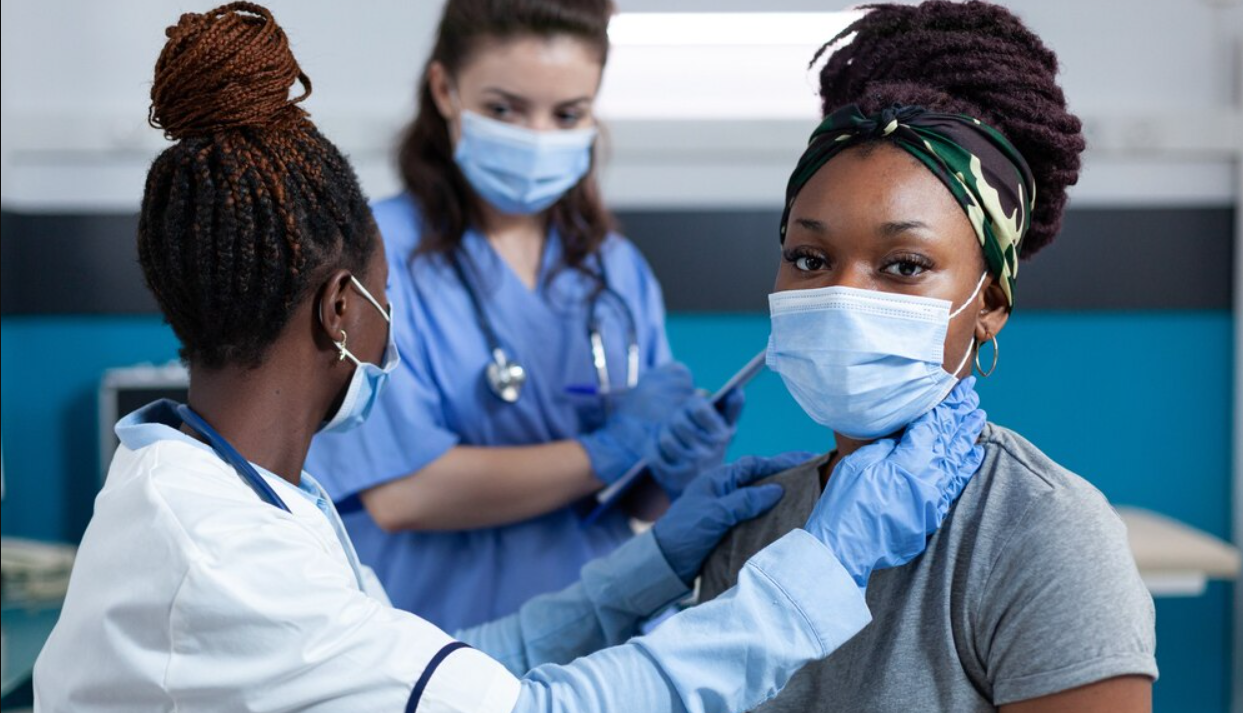
How the Exodus Affects Patients
For the average Nigerian, the consequences are devastating. Long waiting times, overcrowded hospitals, and a lack of specialised care are just some of the effects.
Patients in rural areas are the worst hit. Many have to travel long distances to find functional healthcare facilities. In emergencies, this delay can mean the difference between life and death.
With a significant reduction in medical personnel, hospitals and clinics are overwhelmed, leading to extended wait times for patients. The doctor-to-patient ratio in Nigeria is approximately 1:4,000 to 1:5,000, starkly contrasting the World Health Organization’s recommended ratio of 1:600. This disparity means that patients often wait hours, sometimes days, to receive medical attention, which can be detrimental, especially in emergency situations.The Guardian
Patients in rural regions are disproportionately affected. Many must travel long distances to access functional healthcare facilities, a journey that can be both time-consuming and costly. In emergencies, these delays can be fatal. For instance, in northeastern Nigeria, the maternal mortality rate is alarmingly high, with approximately 3,500 to 4,500 women dying annually due to childbirth-related complications. The scarcity of healthcare professionals in these areas exacerbates the situation, leaving many without timely or adequate care.Time
The shortage of skilled healthcare workers has led to a decline in the quality of care provided. Overburdened staff are stretched thin, leading to increased chances of medical errors, misdiagnoses, and compromised patient safety. In some cases, facilities lack essential medical supplies and equipment, further hindering the ability to provide effective care.
Nigeria’s maternal and child health indicators are among the worst globally. Approximately 58,000 mothers and 240,000 newborns die annually in the country. The exodus of healthcare professionals has intensified this crisis, as fewer skilled birth attendants are available to manage pregnancies and deliveries, especially in underserved areas.
Government Response and Proposed Solutions
The Nigerian government has acknowledged the crisis but has been slow in implementing effective solutions.
1. Improving Welfare Packages
One of the most discussed solutions is increasing the salaries and benefits of healthcare workers. A more competitive pay structure could encourage professionals to stay.
Some state governments have taken steps to improve welfare packages, but these efforts are inconsistent and often lack follow-through.
2. Better Working Conditions
Investing in hospital infrastructure, medical equipment, and support staff is crucial. Healthcare workers need a conducive environment to perform their duties effectively.
Upgrading healthcare facilities and ensuring regular power supply, water, and internet access can make a significant difference.
3. Professional Development Opportunities
Creating pathways for career advancement, including scholarships, research grants, and international collaborations, can help retain talent.
The government can partner with private and international organizations to provide continuous medical education and exchange programs.
READ:Strengthening UK-Nigeria Health Partnerships for a Healthier Future
4. Bond and Incentive Programs
Some experts have suggested bond programs that require healthcare professionals trained with public funds to serve a certain number of years in Nigeria before they can migrate.
However, these programs must be accompanied by incentives, not punishments, to be effective. Forcing professionals to stay without improving conditions could lead to discontent.
5. Diaspora Engagement
Leveraging the Nigerian healthcare diaspora can also help. Telemedicine, knowledge exchange, and temporary return schemes can contribute to capacity building without requiring permanent return.
What Lies Ahead?
Unless urgent and sustained action is taken, Nigeria’s healthcare crisis could worsen. The migration of skilled professionals is a symptom of deeper systemic problems—poverty, poor governance, and lack of investment in critical sectors.
To reverse this trend, the Nigerian government must treat healthcare as a national priority. The time to act is now, before more hospitals shut down and more lives are lost.
Nigeria has the talent. What it needs is the will to keep it.
More: FG to Absorb 28,000 Health Workers Previously Funded by USAID