Artemis II sets new distance record as astronauts begin historic lunar flyby
Astronauts aboard the Artemis II have begun a historic flyby of the Moon, setting a new record for the farthest distance humans have ever travelled from Earth.
The mission, led by NASA in collaboration with the Canadian Space Agency, surpassed the previous record set by Apollo 13, reaching over 252,000 miles from Earth.
The four-member crew, including Reid Wiseman, Victor Glover, Christina Koch and Jeremy Hansen, began the seven-hour lunar flyby on Monday, marking a major milestone in human space exploration more than five decades after the Apollo era.
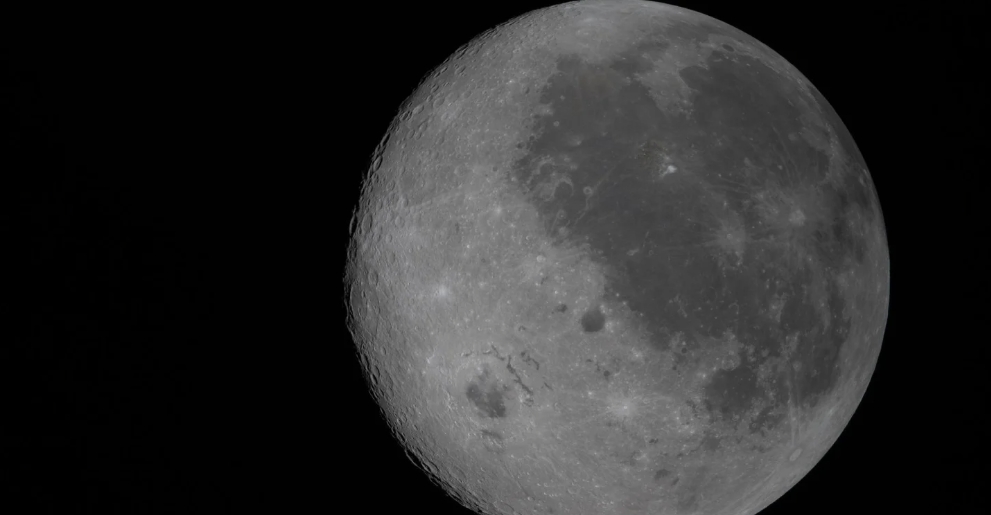
During the operation, astronauts are observing and capturing images of the Moon’s surface, including sections of the far side that have never been seen directly by human eyes. Unlike earlier missions, the crew will not land but will instead focus on scientific observations and data collection.
Mission control confirmed that the crew will work in shifts to document lunar features, using specialised cameras to study impact craters, surface brightness and geological formations.
Read also: Total Lunar Eclipse: The September 2025 Blood Moon
A newly introduced “science officer” role is also supporting the mission, highlighting a stronger emphasis on research compared to previous lunar expeditions.
The spacecraft, Orion, is expected to temporarily lose communication with Earth as it passes behind the Moon, before completing the flyby later in the day.
The milestone comes amid broader ambitions by NASA to return humans to the Moon and eventually send crewed missions to Mars. Officials say the Artemis II mission serves as a critical step towards future lunar landings and long-term space exploration.
Emotional moments also marked the journey, as the crew proposed naming a lunar crater in honour of Commander Wiseman’s late wife, reflecting the human dimension of the historic mission.
The Artemis II mission, which launched on April 1, is expected to continue gathering data that could shape the next phase of deep space exploration.