By Maryjane Austine
Babafemi Ojudu Raises Alarm over Street Renaming in Lagos, Warns Against Ethnic Division
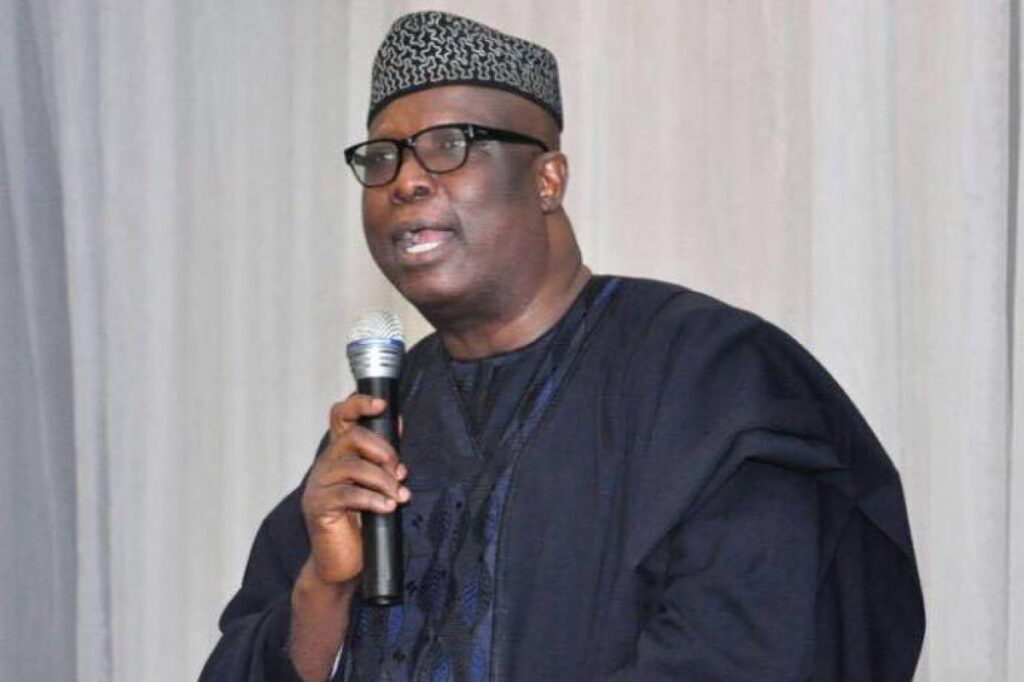
Veteran journalist and political commentator, Ojudu Babafemi, has expressed concern over reports of newly elected local government officials in Lagos, renaming streets that bear Igbo names or honour prominent non-indigenes, warning that such actions could fuel ethnic tension.
In a statement released yesterday, Babafemi described the trend as “a calculated political manoeuvre rooted in resentment, identity politics, and shortsighted leadership.”
His comments come after the recent local government elections in Lagos. He says these elections have led to many unfair decisions that aim to marginalize the Igbo community.
According to Babafemi, the tension between the Yoruba and Igbo communities intensified during the 2023 general elections when Labour Party presidential candidate Peter Obi defeated APC’s Bola Ahmed Tinubu in Lagos, a result he says rattled the ruling party’s political structure in the state.
“What followed,” he said, “was an aggressive, divisive campaign that shamelessly weaponised ethnicity, fear, and misinformation.”
Babafemi noted that while some members of the Igbo community may have engaged in controversial behaviour—such as the emergence of self-styled “Eze Ndi Igbo” (Igbo kings) in non-Igbo regions, these actions do not justify what he called “collective punishment or cultural erasure.”
“Lagos was built by many hands—Yoruba, Igbo, Hausa, Urhobo, Tapa, and more. Its strength lies in its diversity,” he said. “To target any group, especially one so deeply embedded in the city’s economy and social fabric is not just morally wrong; it is politically suicidal.”
Read More: Tinubu Urged to Connect with Nigerians on Security Crisis
He urged Lagos leaders to prioritise pressing issues such as youth unemployment, drug addiction, urban decay, and collapsing infrastructure instead of stoking ethnic division.
Babafemi also warned that alienating the Igbo community at a time when national unity is fragile could have long-term political consequences, especially for the ruling APC. He pointed to recent comments by northern political figure Rabiu Kwankwaso, who claimed that the North feels marginalised under Tinubu’s leadership and may withdraw support ahead of the 2027 elections.
Watch More:
https://youtu.be/C_7fSVJAmXg?si=MGlePjYZxB4QrHSN
“If the North grows distant and the Southeast is antagonised, where will the support come from?” he asked. “This trend risks isolating the South West politically and that isolation will not bode well for the Yoruba, both at home and in the diaspora.”
He called on President Bola Ahmed Tinubu to step in directly to promote national reconciliation and calm rising tensions.
“The President must initiate a process of reconciliation. He should reach out to Igbo leaders—both at home and abroad—to promote moderation and mutual respect,” Babafemi said, adding that incivility and online abuse only deepen mistrust. “I was stunned to read a young Igbo man referring to Soyinka as a ‘gbajue professor’. Such incivility wounds the national psyche.”
At the same time, he urged Yoruba communities to show responsibility and not resent others for investing where they chose not to.
“You cannot sell your land willingly, spend the proceeds on indulgent lifestyles, and then resent those who invested and built on that land. You cannot eat your cake and still have it,” he said.
Babafemi warned that ethnic divisions are deepening across the country, from the North to the Niger Delta, and insisted that only strong leadership can stop the cracks from becoming irreparable.
“If Nigeria fractures,” he said, “history will not remember [Tinubu’s] economic policies or political victories. It will be remembered that the house collapsed under his watch.”
He concluded with a strong appeal to the President: “Call your boys to order, heal old wounds, unite the nation, and rise above petty politics. This is not a job for committees or proxies. Only bold, visionary leadership can pull Nigeria back from the brink.”