politics
Godsent Ogbebor
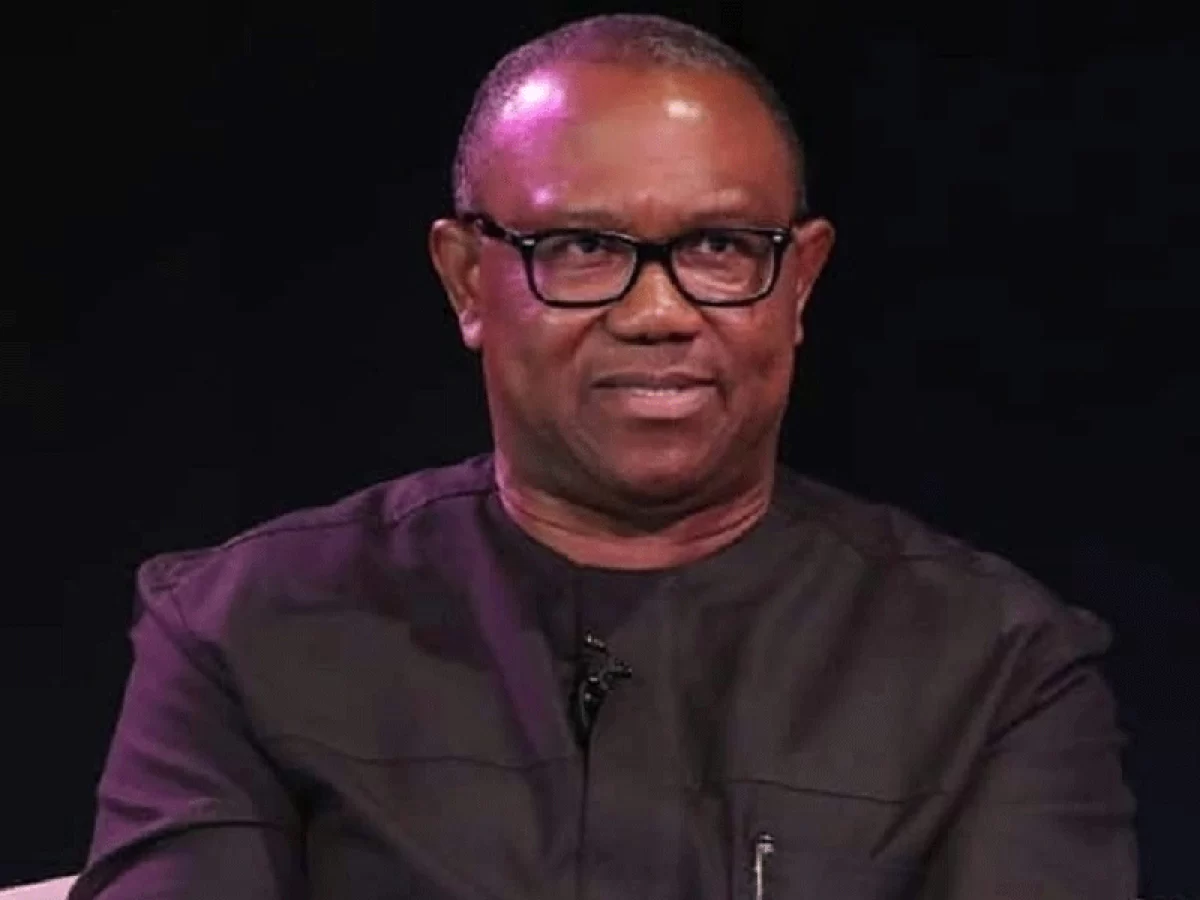
Former presidential candidate Peter Obi has called for greater transparency and accountability following the recent increase in the Budget of Restoration to ₦54 trillion, citing reported revenue growth.
In a statement on Friday via X, Obi acknowledged that while the government had detailed the sources of the additional revenue, there was no corresponding breakdown of expenditures to justify the budget increase. He emphasized that Nigerians deserve full disclosure on how public funds are allocated and spent.
“For transparency and accountability sake, Nigerians need to know how the resources generated from them are being allocated to ensure that they are judiciously spent on the country’s development and the well-being of the people,” Obi said.
He stressed that budgetary expenditures should be directed toward critical areas such as education, healthcare, security, and poverty alleviation to ensure meaningful impact.
Obi also noted that Nigerians are still awaiting a detailed account of the execution and expenditures of the Renewed Hope budget, passed in December 2023, and urged the government to provide clarity on its implementation.
“I call on the National Assembly to seize this opportunity to obtain and make public the full details of the 2024 Budget of Renewed Hope. Transparency in this regard is crucial for ensuring accountability, learning from past budgets, and making informed decisions for the nation’s progress,” Obi stated.
As preparations for the 2025 Budget of Restoration begin, Obi urged lawmakers and government officials to prioritize openness and accountability to safeguard public trust.
“As we work towards passing the Budget of Restoration for 2025, let us uphold openness, accountability, and the welfare of the Nigerian people. We owe it to ourselves, our children, and the future of our great nation,” he added.
On Wednesday, President Bola Tinubu raised the proposed 2025 budget from ₦49.7 trillion to ₦54.2 trillion, citing additional revenues generated by key government agencies.
The president conveyed the adjustment in letters to both the Senate and the House of Representatives, explaining that the increase was driven by ₦1.4 trillion in additional revenue from the Federal Inland Revenue Service, ₦1.2 trillion from the Nigeria Customs Service, and ₦1.8 trillion from other government-owned agencies.