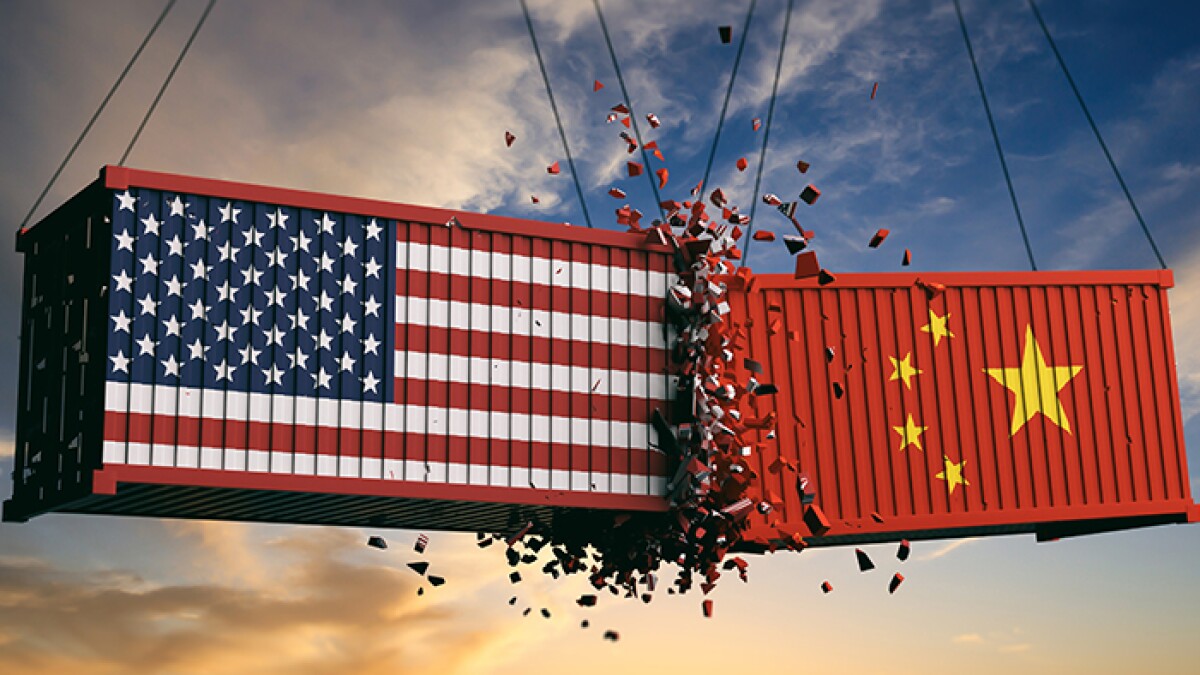
Tariff War: U.S. Warns That Tech Exemptions May Be Temporary
Trump’s trade representative Jamieson Greer in an interview with CBS’s Face the Nation on Sunday, April 13, has stated that US do not have any plans for a meeting between President Trump and China’s Xi Jinping.
He added that they are working around the clock, day and night, sharing paper, receiving offers and giving feedback to these countries.
Earlier this month, Trump announced a 90-day suspension of sweeping import taxes for dozens of trade partners and China was notably excluded from the relief. This decision has only deepened the rift between the world’s two largest economies.
The United States also noted that tech tariff exemptions may be short-lived, even as American tech giants such as Nvidia, Dell, and Apple stand to benefit from the temporary savings.
The warning comes as trade tensions with China continue, with Washington hinting that some electronic products could soon face new duties again.
The recent exemptions, announced last Friday, April 11, include a list of Chinese-made smartphones, laptops, semiconductors, and other electronics spared from additional tariffs. Although, it was welcomed by businesses and investors, the relief may be brief.
 Read also: UNIBEN MACSAN Hosts “Empower A MACSAN Conference 2025” to Inspire Student Growth
“These exemptions represent a small step,” China’s Commerce Ministry said, urging the Trump administration to completely cancel the tariff strategy rather than prolong economic uncertainty.
Since the start of the trade war, US tariffs on Chinese imports have climbed to 145 percent, while Beijing has responded with its own 125 percent tariffs on American goods. Although the latest exemptions provided a brief relief for some companies, others worry about the basic issues that remain unresolved.
US Commerce Secretary Howard Lutnick warned that the pause is not permanent. “Semiconductor tariffs would likely be in place in a month or two,” he said.
President Trump noted he would give very specific details on Monday, possibly introducing fresh levies on products tied to national defence networks.
Apple, which assembles many of its premium devices like iPhones in China, could feel the impact most. Analysts say companies have little time to adapt, especially with no clear resolution in sight.
The cost of the trade war is already showing. Wall Street has been thrown off balance, with the dollar weakening, bond markets unsettled, and consumer confidence shaken. Even some of Trump’s loyal financial backers have begun criticizing the policy, calling it both “damaging and counterproductive.”
China is actively working to position itself as a steady hand in the face of growing global uncertainty. President Xi Jinping has embarked on a five day tour of Southeast Asia, visiting Vietnam, Malaysia, and Cambodia which are key manufacturing hubs potentially looking to capitalise on shifting global supply chains.